Published on:
5 min read
By Jack Turner · DIY & Repairs Contributor
7 Common Dryer Problems You Can Easily Fix Yourself
I've tackled various dryer issues with just a bit of know-how and elbow grease. From noisy spins to longer drying times, here are the fixes that worked for me.

Tackling Dryer Troubles
When my dryer started making unsettling noises and seemed less efficient than usual, I knew it was time to roll up my sleeves. Rather than calling in a professional, I decided to handle the issues myself. Here, I'll share the seven most common dryer problems I've faced and how you can easily fix them too, often with nothing more than basic tools and a bit of patience. Whether you're dealing with a dryer that's refusing to start or one that's making strange noises, these fixes can save you a service call and keep your dryer running smoothly. By understanding the root causes and addressing them with some DIY knowledge, you'll find that many dryer issues are more manageable than they first appear.
Problem #1: Noisy Dryer
A few months ago, my dryer began making loud thumping sounds during each cycle. At first, I feared the worst, but it turned out to be a simple fix. The culprit was a worn-out drum support roller. Replacing it took about an hour and cost me around $25 for a new roller kit. With just a Phillips head screwdriver and a socket wrench, I managed the replacement by removing the dryer’s front panel and drum. The noise was gone, and my dryer ran smoothly again.
I learned that the rollers tend to wear down over time, especially if you run the dryer frequently. If you're facing similar issues, check the rollers first. It's a straightforward process: disconnect the power, open the front panel, and inspect the rollers for wear. If they’re cracked or don’t spin freely, it’s time for a replacement. Having gone through the process, I now make it a point to listen for early signs of roller wear, such as softer thumping sounds, so I can address them before they become more pronounced.
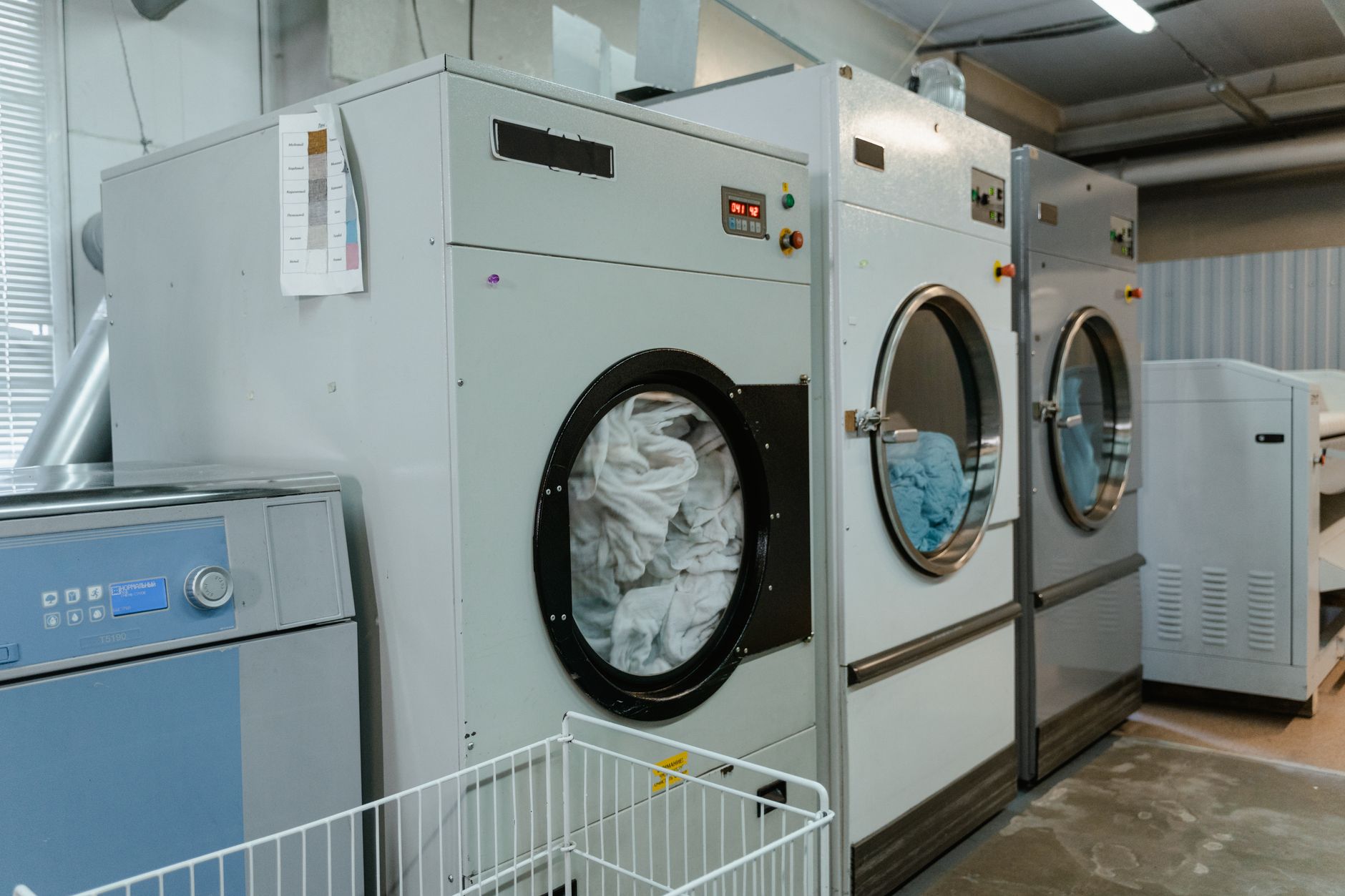
Problem #2: Clothes Taking Too Long to Dry
When I noticed my clothes needed multiple cycles to dry, I suspected a lint build-up. After unplugging the dryer, I detached the lint trap and used a vacuum with a crevice attachment to clean out the lint chute. I then unscrewed the vent hose from the back and cleared a nest of debris. This simple cleaning improved drying times dramatically. I recommend doing this every six months to maintain efficiency.
In my case, trying different cleaning intervals provided insightful results. Initially, I tried annual cleanings, but found that lint built up too quickly, impacting drying performance. Moving to a bi-annual schedule helped keep my dryer in top condition without additional cost or effort. Based on my experience, if your dryer is in a high-usage household, consider even quarterly maintenance. This preventive measure has saved me from the frustration of extended drying times and potential overheating issues.
Comparing Dryer Vent Cleaning Methods
When it comes to cleaning dryer vents, different methods have varying outcomes in terms of effectiveness and effort. Here's a comparison of three techniques I've tried. From my trials, I noticed significant differences in the ease and results of each method. Each method has its pros and cons, and choosing the right one can depend on your specific situation and comfort with DIY tasks.
| Method | Effectiveness | Effort |
|---|---|---|
| Vacuum with attachment | Moderate | Low |
| Flexible vent brush | High | Medium |
| Professional service | Very High | Low |
Step-by-Step: Fixing a Dryer That Won't Start
If your dryer refuses to start, here's a step-by-step guide to diagnosing and fixing the issue:
- Ensure the dryer is plugged in and check your home's circuit breaker.
- Open the door and inspect the door switch. If it's not clicking, it may be faulty.
- Use a multimeter to test the thermal fuse for continuity. If it fails, replace it.
- Check the start switch on the control panel for damage or wear.
- Replace any faulty parts and reassemble the dryer.
Your Dryer Questions Answered
Q: How often should I clean my dryer's lint trap?
For optimal performance, clean the lint trap after every load. This habit not only improves efficiency but also reduces fire risk.
Q: What does it mean if my dryer is overheating?
Overheating can be caused by poor ventilation or a clogged lint trap. Ensure the vent is clear and clean the lint filter regularly to prevent this issue. Overheating can lead to more severe problems, so addressing it promptly is crucial.
Q: Why does my dryer have a burning smell?
A burning smell might indicate lint is caught in the exhaust vent or inside the housing. Unplug your dryer and inspect these areas immediately to prevent potential hazards. Checking these components can avert more significant repair needs.
Q: Can I replace the drum belt myself?
Yes, with some DIY skills, you can replace the drum belt. It requires removing the front panel and drum. I did this once with a $15 belt and about an hour of my time, ensuring I followed a step-by-step guide to avoid any mishaps.
EditorialOur Take
Fixing common dryer problems yourself can save you time and money. It's especially beneficial if you enjoy a bit of hands-on problem-solving and have some basic tools at your disposal. However, it's not for everyone. If you're not comfortable working with appliances or if the problem seems beyond your expertise, it might be best to call a professional. For those who are game, tackling your dryer issues can be rewarding and surprisingly straightforward. I've found that not only do these efforts extend the lifespan of the dryer, but they also impart a sense of accomplishment and self-reliance. The key is knowing your limits and approaching each task methodically, which can turn daunting repairs into manageable projects.
Published on .
Share now!

Jack Turner
DIY & Repairs Contributor
Jack Turner writes Dailynib's simple-repair guides. He believes most small household fixes are far less scary than they look once someone shows you the steps. Jack focuses on safe, beginner-friendly repairs that don't need a pro. Jack uses AI tools to research, draft, and help keep these articles accurate.
More from Jack →The information on this site is of a general nature only and is not intended to address the specific circumstances of any particular individual or entity. It is not intended or implied to be a substitute for professional advice.
Get our best tips in your inbox
A short, practical email now and then. No spam, and you can unsubscribe anytime.