Published on:
5 min read
By Jack Turner · DIY & Repairs Contributor
Explainer: The Role of Thermostats in Household Energy Use
I learned firsthand how much thermostats impact my energy bills. Here's a breakdown of what worked and what didn't when optimizing my home's energy use.
The Thermostat's Role in Home Energy Use
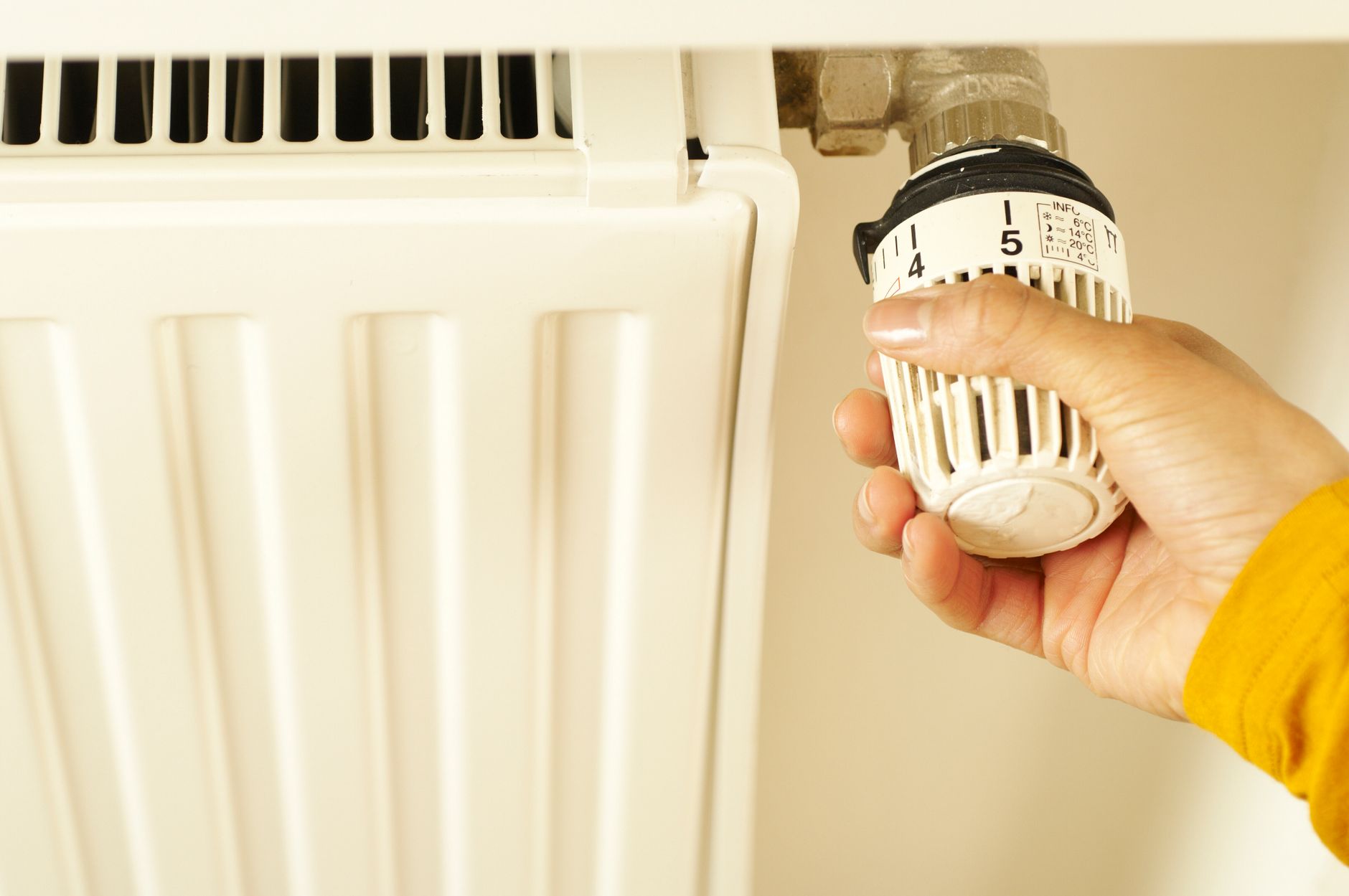
When I first moved into my home, the energy bills were a shock. I realized the thermostat was set to a constant temperature, and it was clear I needed to understand its role in energy consumption. By learning how thermostats operate and their impact on heating and cooling, I found ways to make my home more energy-efficient. This article will walk you through how thermostats influence energy use and provide practical steps for reducing your bills.
Initially, I thought of the thermostat as just a comfort tool, but I soon realized it was the control center for energy use. A thermostat regulates your home's heating and cooling system, maintaining the temperature to meet your comfort needs. However, maintaining a constant temperature, especially when rooms are unoccupied, is a common habit that can lead to unnecessary energy use. Understanding the thermostat's settings and capabilities became my mission to control costs.
I discovered that even small adjustments could lead to significant savings. By simply becoming more aware of how I set the thermostat, I managed to cut down on wasteful energy habits. This was a big step toward a more sustainable lifestyle, and it all started with understanding the basics of how thermostats work.
A Practical Example of Thermostat Adjustment
I decided to experiment with adjusting my thermostat settings during the winter months. Initially, I had the thermostat set at a constant 72°F. After doing some research, I tried setting it back to 68°F during the day and 65°F at night. This change alone reduced my heating bill by about 10%. I used a simple programmable thermostat, which cost around $50, and spent about 30 minutes installing it myself. While it took a couple of weeks to get used to the cooler temperatures, the savings were worth it.
I also learned that the placement of the thermostat is crucial. Mine was originally located in a hallway that was often colder than the rest of the house, leading to inaccuracies in temperature regulation. After relocating it to a more central location in the living room, I noticed a more even distribution of heat, enhancing comfort and efficiency.
To maximize savings, I avoided using the 'hold' feature that keeps the same temperature all day, opting instead for scheduled adjustments. This tactic ensured I wasn't heating an empty house while I was at work, further reducing energy consumption. Additionally, using ceiling fans to circulate warm air helped balance temperatures in each room, contributing to an overall cozier environment without increasing heating costs.

Additional Insights: Smart Thermostats
After seeing some savings with manual adjustments, I decided to invest in a smart thermostat. The installation was straightforward, taking about an hour. With features like learning my schedule and adjusting temperatures automatically, the smart thermostat optimized my energy use further. I noticed a 15% reduction in energy costs over a year. The upfront cost was $250, but the savings proved worthwhile over time.
Smart thermostats offer remote access via smartphone apps, which became a game-changer for me. When unexpected weather changes occurred, I could adjust settings even when I wasn't home. They also provide insights on energy usage, helping me identify patterns and potential areas for further savings. For example, I discovered peak usage times and adjusted my schedule to minimize costs during those periods.
I also appreciated the integration with other smart home devices. For instance, linking the thermostat to my smart speakers allowed me to adjust the temperature with voice commands, adding convenience to the mix. However, with all these features, it's important to ensure your Wi-Fi connection is strong and reliable, as an outage can interrupt these smart functions. It's worth noting that a smart thermostat can also notify you when it's time for HVAC maintenance, ensuring your system runs efficiently year-round.
Comparing Thermostat Types
Understanding the differences between thermostat types can guide better decision-making for energy savings. Here's a comparison of basic programmable, smart, and manual thermostats:
| Type | Cost | Energy Savings |
|---|---|---|
| Manual | $20 - $50 | 5-10% |
| Programmable | $50 - $100 | 10-15% |
| Smart | $150 - $300 | 15-20% |
Practical Tips for Using Your Thermostat Efficiently
- Use a programmable thermostat to automatically adjust temperatures when you're not home.
- Set the thermostat 7-10 degrees lower than usual for 8 hours a day to save up to 10% annually.
- Consider setting the thermostat fan to 'auto' mode to prevent unnecessary circulation.
- During summer, keep your thermostat at 78°F while you're home and warmer when you're away.
- Avoid placing lamps or electronics near your thermostat as they can cause it to register incorrect temperatures.
- Regularly check and replace your HVAC filters to ensure efficient airflow and accurate temperature regulation.
Q&A: Common Thermostat Questions
Q: Can I install a thermostat myself?
Yes, most thermostats come with detailed instructions and only require basic tools. Be sure to turn off power to your HVAC system before starting.
Q: How do smart thermostats learn my schedule?
Smart thermostats use sensors and your input over time to understand when you're home and adjust accordingly.
Q: Are smart thermostats worth the price?
If you're looking to maximize savings and convenience, smart thermostats often pay for themselves within a couple of years.
Q: What if my thermostat is not responding?
Ensure it has fresh batteries, check if it's receiving power, and consult the manual for troubleshooting tips.
Q: How often should I update thermostat settings?
Review and adjust your settings with each change of season or when your schedule or comfort needs shift.
EditorialOur Take
In my experience, understanding and optimizing your thermostat settings is one of the simplest ways to reduce energy costs. If you're someone who enjoys technology and doesn't mind a higher upfront cost, a smart thermostat is a great choice. For those who prefer simplicity, a programmable thermostat will still provide significant savings without needing the latest tech. However, remember that any thermostat is only as effective as the settings you program. Consistent, thoughtful adjustments can make a significant difference in your energy bills. Ultimately, the best thermostat is one that aligns with your lifestyle and helps you achieve your energy-saving goals while maintaining comfort.
Published on .
Share now!

Jack Turner
DIY & Repairs Contributor
Jack Turner writes Dailynib's simple-repair guides. He believes most small household fixes are far less scary than they look once someone shows you the steps. Jack focuses on safe, beginner-friendly repairs that don't need a pro. Jack uses AI tools to research, draft, and help keep these articles accurate.
More from Jack →The information on this site is of a general nature only and is not intended to address the specific circumstances of any particular individual or entity. It is not intended or implied to be a substitute for professional advice.
Get our best tips in your inbox
A short, practical email now and then. No spam, and you can unsubscribe anytime.