Published on:
5 min read
By Sophia Bennett · Kitchen & Pantry Writer
Sponge vs. Brush: Which Cleans Dishes Better?
Switching from sponges to a dishwashing brush transformed my cleaning routine. Here's how each tool performed in my kitchen and what I learned along the way.
The Great Switch: From Sponge to Brush
I've always been a sponge person. For years, I've relied on them to tackle everything from sticky pots to delicate glassware. But after hearing a few friends rave about dish brushes, I decided it was time to shake things up in my kitchen. This article takes you through my firsthand experience of switching from sponges to a dishwashing brush and how it impacted my dishwashing routine. Stick around as I share the ups and downs of each tool, a detailed comparison, and some practical tips to help you decide which might be best for your kitchen.
Sponge: The Classic Workhorse
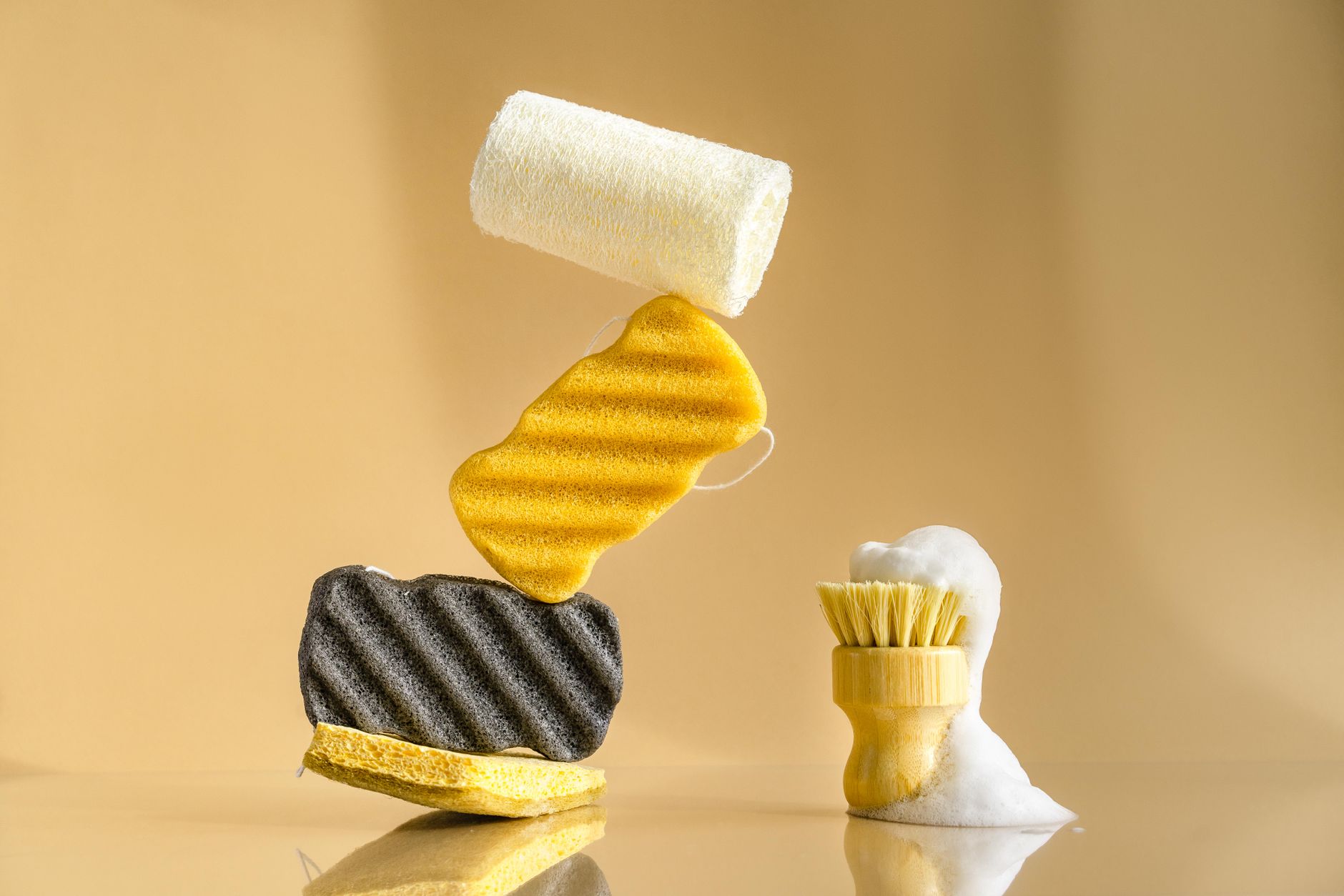
Sponges are often the go-to for many because they’re incredibly versatile. My usual routine involved buying a three-pack of cellulose sponges for around $4 every month. They’re great at absorbing liquids, and I’ve used them to quickly mop up spills and scrub tough, caked-on food. However, I noticed that within a couple of weeks, sponges often developed a smell, despite frequent rinsing and cleaning.
One specific issue I encountered was with pots coated in stubborn, dried sauce. A sponge would often struggle to lift the residue without intense scrubbing, and at times, I had to soak dishes longer than I preferred. I also experimented with different types of sponges, including scrubber sponges with an abrasive side. While these were more effective on tough spots, they still wore out quickly and needed replacing often. Additionally, I found that sponges needed more soap to create a good lather compared to brushes, which meant I was going through dish soap faster than I liked. The cleaning power of a sponge can't be denied, but the downside is the constant need to replace them and the fact that they can harbor bacteria if not properly cared for.
Brush: The New Contender
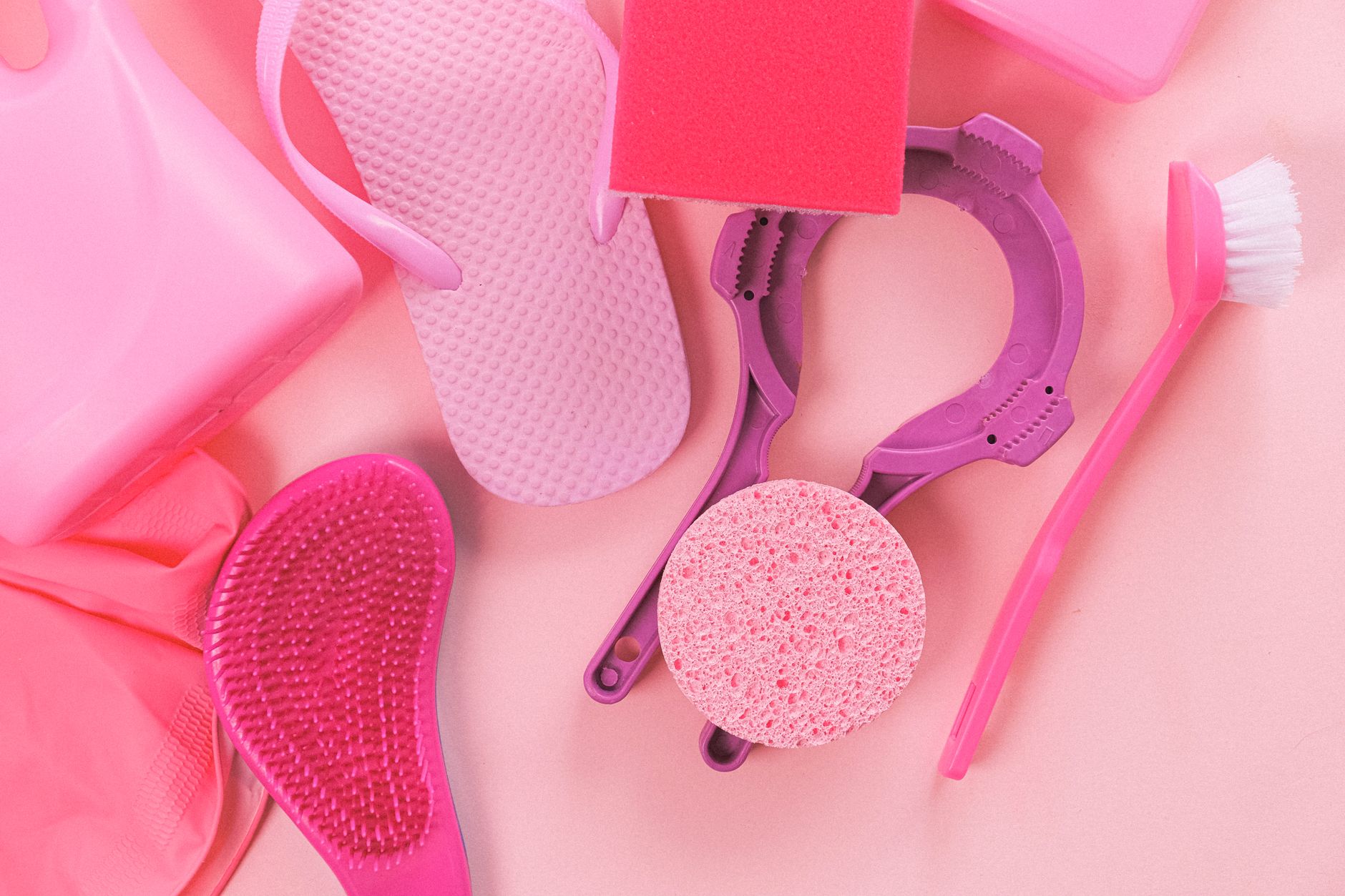
Switching to a dishwashing brush was an enlightening experience. I picked up a $6 brush with a handle and firm bristles. From the first use, I noticed it was fantastic for scrubbing pans and plates with dried-on food. The bristles got into the nooks and crannies without needing much pressure. The ergonomic handle made it easier to apply force without straining my wrist.
The brush also excelled at cleaning utensils and the rims of pots where food often collects. After a month, the bristles remained intact, a testament to the brush's durability. The brush dries quickly, which reduces the chance of any unpleasant odors or bacterial growth. However, it wasn’t as effective on glassware. I found myself still reaching for a sponge to polish glass surfaces to a streak-free finish. Brushes also tend to take up more space around the sink, and I had to find a dedicated spot for its storage to prevent clutter.
Another thing I noticed was that the brush required less dish soap to get the job done. The bristles seemed to distribute the soap more evenly and efficiently, which was a pleasant surprise. It also meant I was saving a bit on dish soap over time. Overall, the switch to a brush was an unexpected upgrade in certain areas, though not without its own set of challenges.
Sponge vs. Brush: A Comparative Breakdown
To better illustrate the differences between sponges and brushes, I tracked my experience over a month. Here's how they stack up in various aspects:
| Feature | Sponge | Brush |
|---|---|---|
| Cost per Month | $4 | $6 |
| Hygiene | Needs frequent replacement | Dries quickly, less odor |
| Efficiency on Pans | Moderate | High |
| Efficiency on Glassware | High | Moderate |
| Durability | Low | High |
| Soap Usage | High | Low |
Tips for Optimizing Your Dishwashing Routine
Whether you stick with sponges or switch to a brush, here are some tips to make your dishwashing routine more effective:
- Replace sponges every two weeks and sanitize them by microwaving damp sponges for 1 minute or running them through a dishwasher cycle.
- Clean brushes weekly with hot water and soap, and let them air dry completely by hanging them if possible.
- Use separate tools for delicate items like glassware and tough jobs like pots and pans. Consider having a specific sponge or brush for each type of task.
- Store sponges and brushes in a dry area, preferably on a rack or stand, to prolong their life and reduce bacteria growth.
- Consider a stand or holder for the brush to keep bristles from deforming and to promote quick drying.
- Opt for eco-friendly or biodegradable sponges to reduce environmental impact if you decide to stick with sponges.
Q&A: Common Questions About Dishwashing Tools
Q: Can a brush scratch non-stick pans?
Some brushes with very stiff bristles might. I recommend using brushes labeled as safe for non-stick surfaces to avoid damage.
Q: How often should I replace a dish brush?
Most brushes can last a couple of months, depending on use, but replace them when bristles become bent or worn. A key sign is when the bristles no longer effectively scrub your dishes.
Q: Is it better to use warm or hot water when washing dishes?
I find hot water works best for cutting through grease and ensuring dishes are thoroughly cleaned. It also helps in sanitizing dishwashing tools.
Q: How do I prevent sponges from smelling bad?
Sanitizing regularly and ensuring they dry completely between uses helps prevent odors. Additionally, using a vinegar soak once a week can help keep odors at bay.
EditorialOur Take
Switching to a dish brush was a game-changer for me, especially for heavy-duty cleaning tasks like scrubbing pans. It's more hygienic and durable, and I appreciate not needing to use as much elbow grease. However, I still keep a sponge on hand for glassware and quick cleanups. If you prioritize hygiene and tackle tough jobs, a brush might be your best bet. But if space and versatility are your concerns, sticking with sponges could be more convenient. Ultimately, it comes down to personal preference and your specific needs in the kitchen. For those who wish to save on soap and reduce waste, a brush provides a more sustainable option in the long run.
Published on .
Share now!

Sophia Bennett
Kitchen & Pantry Writer
Sophia Bennett covers the kitchen for Dailynib, from pantry organization to keeping produce fresh longer. She cooks most nights and treats her own kitchen as a testing lab for storage and prep tips. Sophia likes practical advice that saves time and reduces food waste. Sophia uses AI tools to research, draft, and help keep these articles accurate.
More from Sophia →The information on this site is of a general nature only and is not intended to address the specific circumstances of any particular individual or entity. It is not intended or implied to be a substitute for professional advice.
Get our best tips in your inbox
A short, practical email now and then. No spam, and you can unsubscribe anytime.