Published on:
5 min read
By Sophia Bennett · Kitchen & Pantry Writer
How to Choose the Right Cutting Board for Your Needs
I never realized how much a cutting board could impact my cooking until I experimented with different types. Here's how I found the right one for my kitchen.
Why the Right Cutting Board Matters
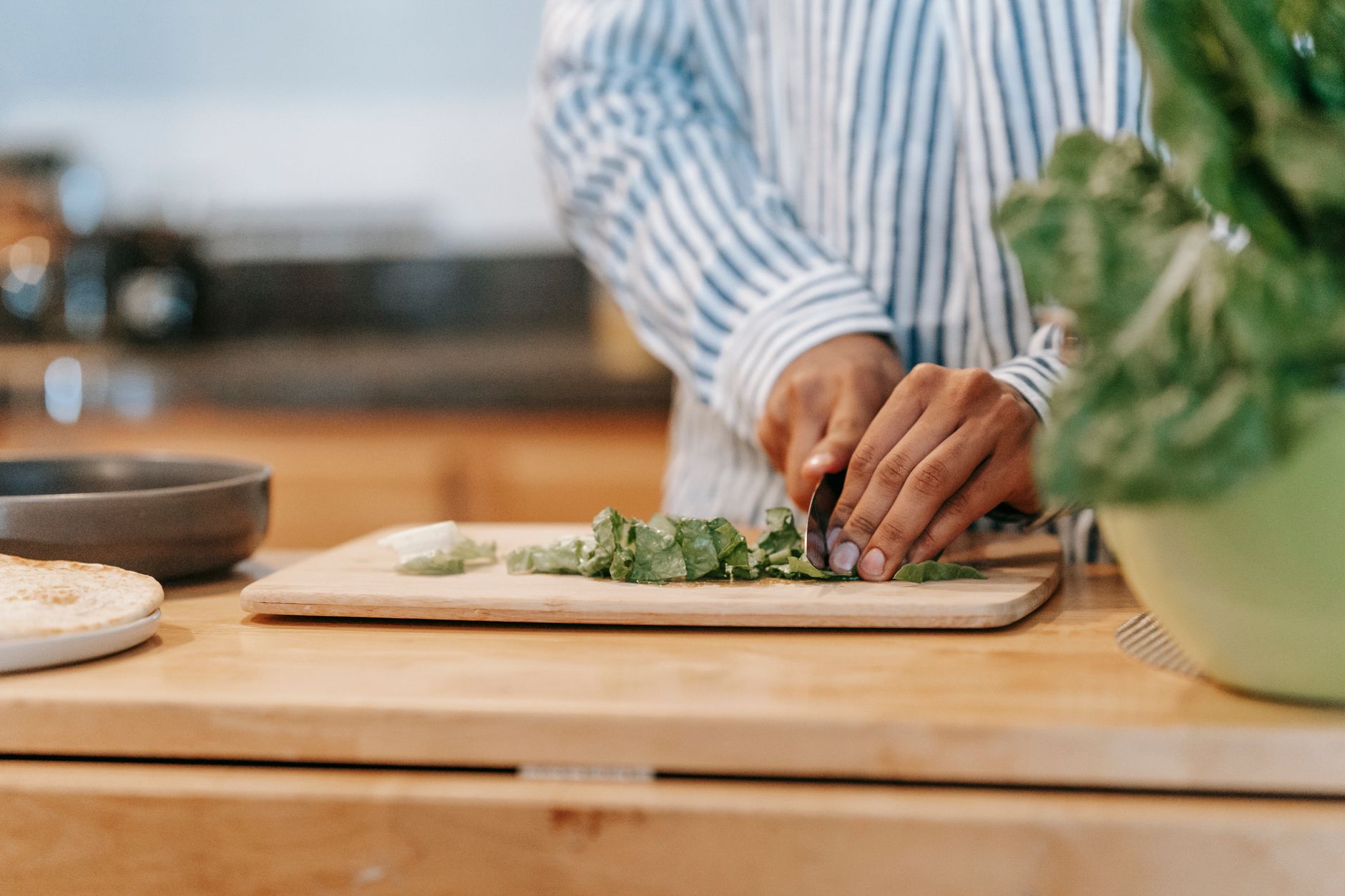
When I first started cooking regularly, I underestimated the importance of my choice of cutting board. I went with the cheapest plastic board I could find, assuming it would suffice for all my needs. It wasn't long before I noticed deep grooves filled with food particles that refused to come out, no matter how hard I scrubbed. Not only did this make cleaning a nightmare, but it also made me worry about hygiene and cross-contamination. That's when I decided to explore other options and discovered how the right board could improve both food prep and cleanliness.
Selecting a cutting board is about more than just aesthetics; it impacts how efficiently you can prepare meals and how safe your kitchen practices are. In this article, I'll share what I learned about different materials, how they can affect your knife's longevity, and the overall kitchen experience. You'll be able to determine the best fit for your culinary adventures.
My Experience with Wooden Cutting Boards
My first experience with a higher quality board was an acacia wood cutting board. I spent about $25 on it, and though it seemed like a significant leap from my old plastic one, the difference was night and day. Wood is naturally antibacterial, and I found that it resisted knife grooves better, making it easier to clean. Plus, it was gentle on my knives, which meant I spent less time sharpening them.
The drawback? It's heavier and needed regular oiling to maintain its condition. I learned to oil it once a month with mineral oil, which absorbed into the wood overnight, keeping it from drying out. It also required careful cleaning—no soaking in water, just a quick wash and immediate drying. Despite these maintenance needs, the wooden board quickly became an essential part of my kitchen. It was worth the extra care for the benefits it provided.
One unexpected bonus was the board's aesthetic appeal; I found myself using it as a serving platter for cheese and appetizers during gatherings. This additional functionality made it an even more valuable addition to my kitchen tools.
Exploring Bamboo and Plastic Alternatives
After some time with the wooden board, I decided to try bamboo. I found a medium-sized bamboo board for about $15. Bamboo is eco-friendly and quite hard-wearing, but its hardness was a double-edged sword. While it resisted cuts and scratches, it was tougher on my knives, and I noticed they needed sharpening more often.
However, bamboo was lighter than wood, which made it easier to handle and store. I appreciated this when prepping large meals, as I could easily maneuver it in my small kitchen. Bamboo boards also tend to be less expensive than their hardwood counterparts, making them an attractive option if you're watching your expenses.
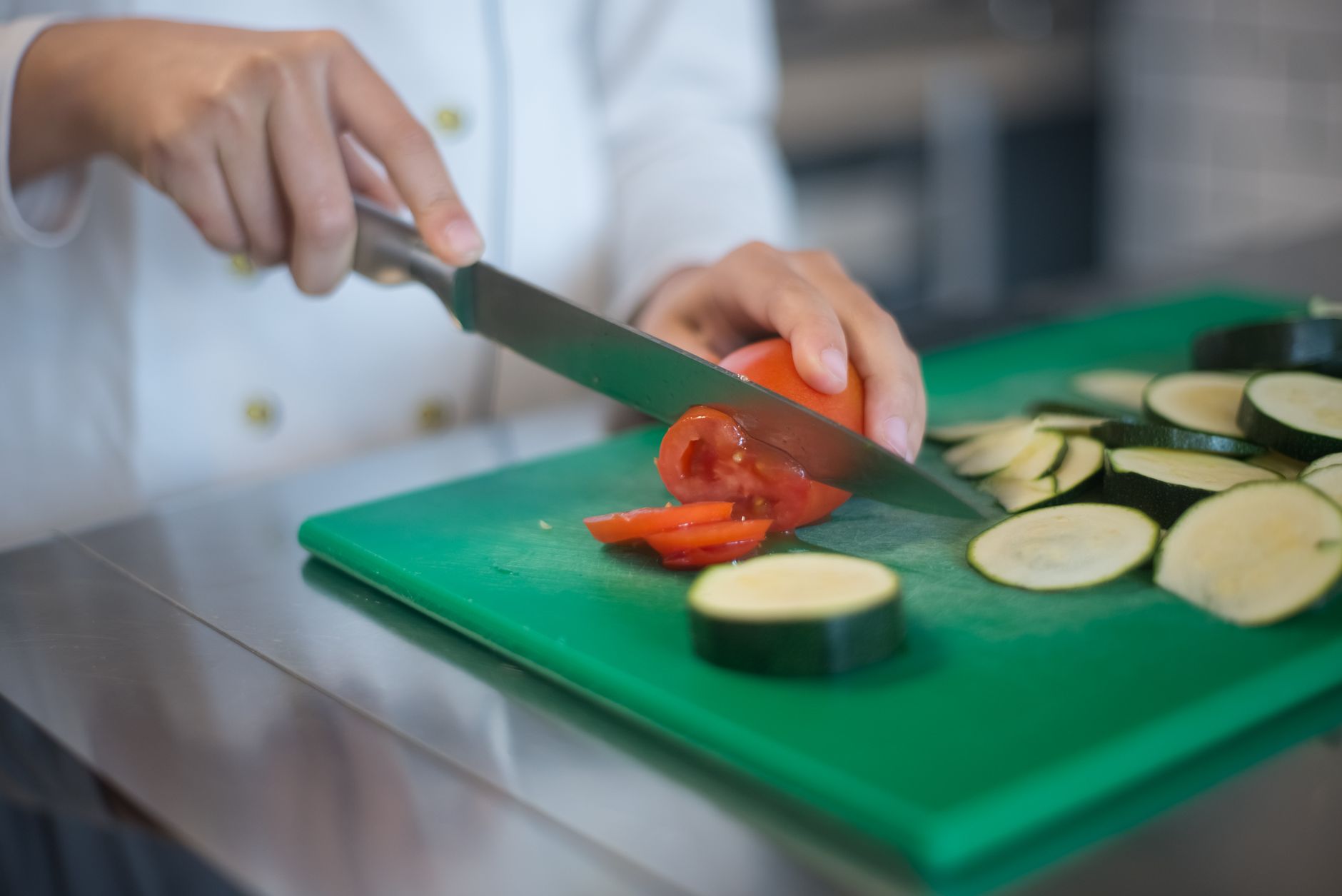
On the other hand, plastic boards, though inexpensive and dishwasher safe, didn’t last long before needing replacement. I went through three $10 plastic boards in a year before finally opting for a more durable material. Their lightweight nature was a plus, and they were great for quick tasks or as secondary surfaces when handling raw meats, as I could toss them in the dishwasher without worry. However, the constant replacement cycle turned into a hassle and made me reconsider their value over time.
Comparing Materials: Wood, Bamboo, and Plastic
Here's a comparison of the three types based on my experience. Each has its pros and cons, depending on what you prioritize in your kitchen.
| Material | Pros | Cons |
|---|---|---|
| Wood | Antibacterial, gentle on knives, durable | Heavy, requires maintenance, more costly |
| Bamboo | Eco-friendly, durable, lightweight | Hard on knives, can splinter, requires oiling |
| Plastic | Inexpensive, dishwasher safe, lightweight | Prone to grooves, less durable, frequent replacement |
Steps to Choose Your Ideal Cutting Board
Here’s a step-by-step guide to selecting a cutting board that fits your needs:
- Identify your primary use: Consider what types of food you prepare most often and how much space you have.
- Decide on material: Weigh the pros and cons of wood, bamboo, and plastic based on cleanliness, durability, and knife safety.
- Set a budget: Cutting boards can range from $10 to over $100, so decide what you're willing to spend without compromising on quality.
- Consider size and weight: Ensure the board fits comfortably in your available counter space and is easy to handle, especially if you have limited storage.
- Look for additional features: Some boards come with juice grooves to catch liquids or non-slip edges to prevent sliding; decide if these are important to you.
- Test the board: If possible, test different materials in-store to see how they feel under a knife and in your hands.
Cutting Board Q&A
Q: How often should I replace a cutting board?
It depends on the material. Plastic boards may need replacing every 1-2 years, while wood or bamboo can last for many years with proper care.
Q: Can I put a wooden board in the dishwasher?
No, wooden boards should be washed by hand to avoid warping or splitting. The dishwasher's high heat and moisture can damage them.
Q: What's the best way to clean and maintain a bamboo board?
Wash it with mild soap and water, dry immediately, and occasionally rub with mineral oil to prevent cracking. This will extend its lifespan and maintain its appearance.
Q: Are there cutting boards better suited for specific foods?
Yes, it's a good idea to have separate boards for raw meats and vegetables to prevent cross-contamination. I use a plastic board for meats that can go in the dishwasher and a wooden one for veggies and bread.
EditorialOur Take
After trying various cutting boards, I've settled on a good-quality wooden board for most of my kitchen tasks. It requires a bit more care, but the longevity and hygiene benefits are worth it. I appreciate the antibacterial properties and the fact that it doesn’t dull my knives as quickly. If you need a more budget-friendly option, bamboo is a solid choice, though it may require more frequent knife sharpening. Plastic boards are great in a pinch for their convenience but may not last as long, making them less ideal for the long term. In the end, the right board will depend on your specific needs, budget, and willingness to maintain it. For those who value sustainability, bamboo offers the best blend of performance and environmental friendliness.
Published on .
Share now!

Sophia Bennett
Kitchen & Pantry Writer
Sophia Bennett covers the kitchen for Dailynib, from pantry organization to keeping produce fresh longer. She cooks most nights and treats her own kitchen as a testing lab for storage and prep tips. Sophia likes practical advice that saves time and reduces food waste. Sophia uses AI tools to research, draft, and help keep these articles accurate.
More from Sophia →The information on this site is of a general nature only and is not intended to address the specific circumstances of any particular individual or entity. It is not intended or implied to be a substitute for professional advice.
Get our best tips in your inbox
A short, practical email now and then. No spam, and you can unsubscribe anytime.