Published on:
5 min read
By Sophia Bennett · Kitchen & Pantry Writer
5 Simple Steps to Perfectly Cooked Pasta
I've transformed my pasta cooking skills by following these 5 simple steps, turning an ordinary meal into something delightful. Here's how you can too.
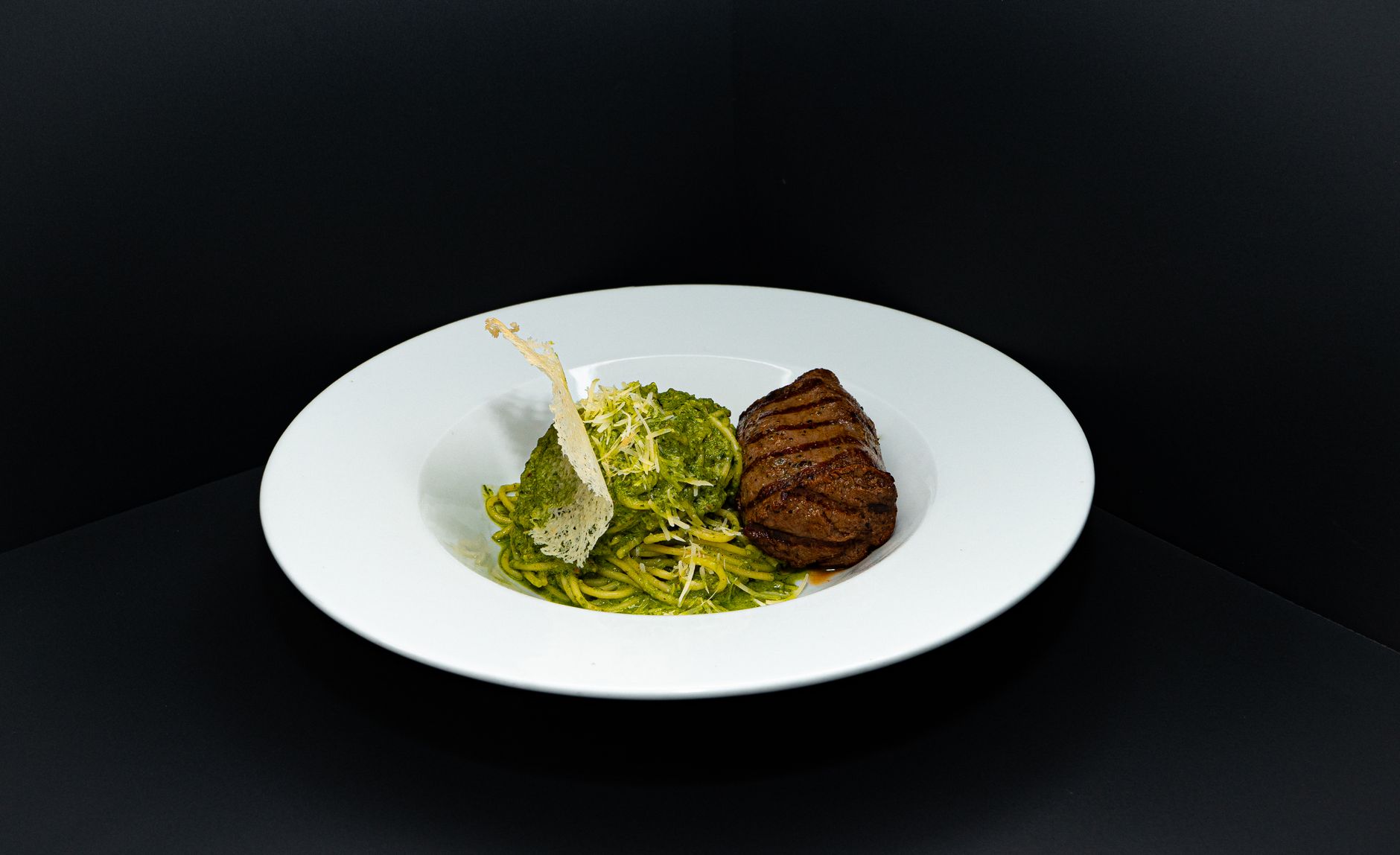
Turning Everyday Pasta into a Delight
For years, I thought pasta was just a quick and easy meal — boil, sauce, serve. But after too many mushy or undercooked attempts, I realized I was doing it all wrong. Perfect pasta can transform a mundane dinner into a special occasion. In this guide, I'll share five steps that have consistently helped me achieve al dente perfection every time. Whether you're an experienced cook or just starting, mastering these techniques will elevate your pasta game without adding stress to your meal prep. I remember the first time I successfully cooked a plate of spaghetti to perfection; it felt like I'd unlocked a new culinary level. This wasn't just about texture; the taste and overall dining experience significantly improved — even my family noticed the difference.
Choosing the Right Amount of Water
The first step I got wrong was my water-to-pasta ratio. I used to fill my pot halfway and dump in the pasta, leading to sticky results. The golden rule I learned is using one liter of water per 100 grams of pasta. For a typical dinner serving of 500 grams, that's about five liters of water. This ensures the pasta has ample space to move and prevents it from clumping. A large pot is essential here; I use a six-quart pot, which provides enough room for the pasta to swim freely. The result? Consistently non-sticky, well-cooked pasta. I've found that having a reliable pot can make a world of difference. It not only helps with even heat distribution but also prevents any surprise boiling over mishaps. One time, using a smaller pot led to a starchy overflow that was both messy and frustrating.
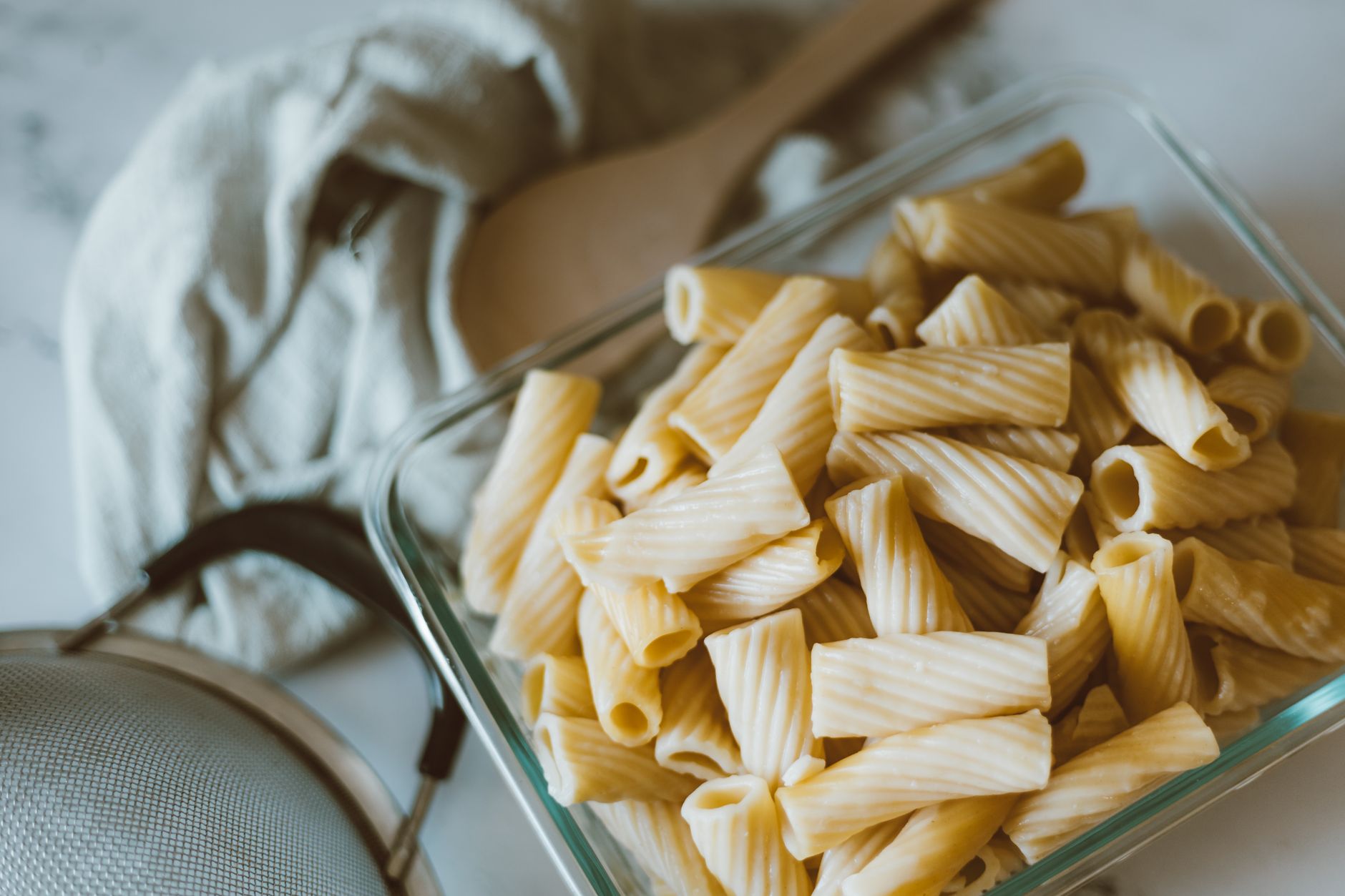
Don't Forget to Salt the Water
I once heard a chef say, 'The pasta water should taste like the sea.' Initially, I thought it was an exaggeration until I tried it myself. Properly salting the water is crucial. For my five liters of water, I use about 1.5 tablespoons of salt. Yes, it sounds like a lot, but this is where pasta gets its initial flavor boost. The salt doesn't make the pasta taste salty but enhances its natural flavor. If you're like I was, timid with salt, start with a tablespoon and adjust to taste in future batches. The difference is astonishing; salted water is the first step to ensuring the pasta doesn't taste bland, regardless of how flavorful your sauce may be. I once forgot to salt my water at a family gathering, and the difference was unmistakable. It made me appreciate how such a simple step can elevate the entire meal.
Timer Talk: Cooking Duration
Testing early gives you room to adjust and prevents the disappointment of overcooked pasta. Pasta continues to cook slightly even after draining, so stopping a minute sooner can save your dish. I also recommend keeping a slotted spoon or small bowl handy to taste without interrupting the cooking process too much. Once I even set up a small kitchen timer as a reminder to taste test, which kept me from getting distracted and saved my pasta from becoming a soggy mess.
| Pasta Type | Package Time | Testing Time |
|---|---|---|
| Spaghetti | 10 minutes | 8 minutes |
| Penne | 11 minutes | 9 minutes |
| Fettuccine | 12 minutes | 10 minutes |
5 Steps to Perfect Pasta Every Time
- Fill a large pot with one liter of water per 100 grams of pasta.
- Add 1.5 tablespoons of salt per five liters of water.
- Bring the water to a rolling boil before adding the pasta.
- Stir immediately after adding the pasta and occasionally while cooking.
- Test the pasta two minutes before the package time ends to ensure the desired texture.
Reader Questions: Pasta Perfection
Q: How do I stop pasta from sticking together?
Stirring immediately after adding the pasta to boiling water helps prevent sticking. Also, ensure there's enough water in the pot.
Q: Can I reuse pasta water for another batch?
It's best to use fresh water each time as reused water can become starchy and affect the pasta's texture. However, you can reserve some for enhancing your sauce.
Q: Should I rinse pasta after cooking?
No, rinsing removes the starch that helps sauce adhere to the pasta. The only exception is when making cold pasta salads.
Q: Does the shape of pasta affect cooking time?
Yes, different shapes have varying surface areas and thicknesses, affecting how long they need to cook. That's why testing is so important. I’ve noticed that even in the same brand, variations in pasta thickness can lead to different cooking times.
EditorialOur Take
Mastering the art of cooking pasta is simpler than I once thought, and it has completely changed how I view this staple dish. These steps won't add extra time to your cooking, but they will add tremendous value to your meal. This guide is perfect for anyone looking to elevate their pasta dishes effortlessly. However, if you're someone who enjoys a more avant-garde approach to pasta, you might find these methods a bit traditional. Personally, I love the simplicity and consistency these steps bring. By following these guidelines, I've turned pasta night into a family favorite, with everyone eagerly anticipating the next meal. Even on busy weekdays, these steps make pasta a quick, reliable choice that doesn't compromise on quality.
Published on .
Share now!

Sophia Bennett
Kitchen & Pantry Writer
Sophia Bennett covers the kitchen for Dailynib, from pantry organization to keeping produce fresh longer. She cooks most nights and treats her own kitchen as a testing lab for storage and prep tips. Sophia likes practical advice that saves time and reduces food waste. Sophia uses AI tools to research, draft, and help keep these articles accurate.
More from Sophia →The information on this site is of a general nature only and is not intended to address the specific circumstances of any particular individual or entity. It is not intended or implied to be a substitute for professional advice.
Get our best tips in your inbox
A short, practical email now and then. No spam, and you can unsubscribe anytime.