Published on:
5 min read
By Sophia Bennett · Kitchen & Pantry Writer
My Experience with Weekly Meal Prep
By diving into weekly meal prep, I not only saved over five hours each week but also turned my dinners into more enjoyable and stress-free experiences.
Tired of Stressful Weeknight Dinners
After a few months of feeling overwhelmed by the daily grind of cooking dinner, I decided to try weekly meal prep. My evenings were often spent frantically throwing something together, leading to uninspired meals and lots of stress. I've always heard meal prep could save time, but I wasn't sure if it was realistic for me. I dove into this experiment determined to find out if I could make my dinners more enjoyable and efficient. In this article, I'll share exactly how I approached meal prep, the challenges I faced, and the difference it made in my weekly routine.
The motivation came from a particularly hectic week when I found myself ordering takeout three nights in a row. Not only was it costly, but it also left me feeling unhealthy and tired. I realized I needed a better system, one that would allow me to enjoy homemade meals without the weekday hassle. That's when I decided to commit to meal prepping, a decision that has reshaped my approach to cooking and eating.
How I Started with Weekly Meal Prep
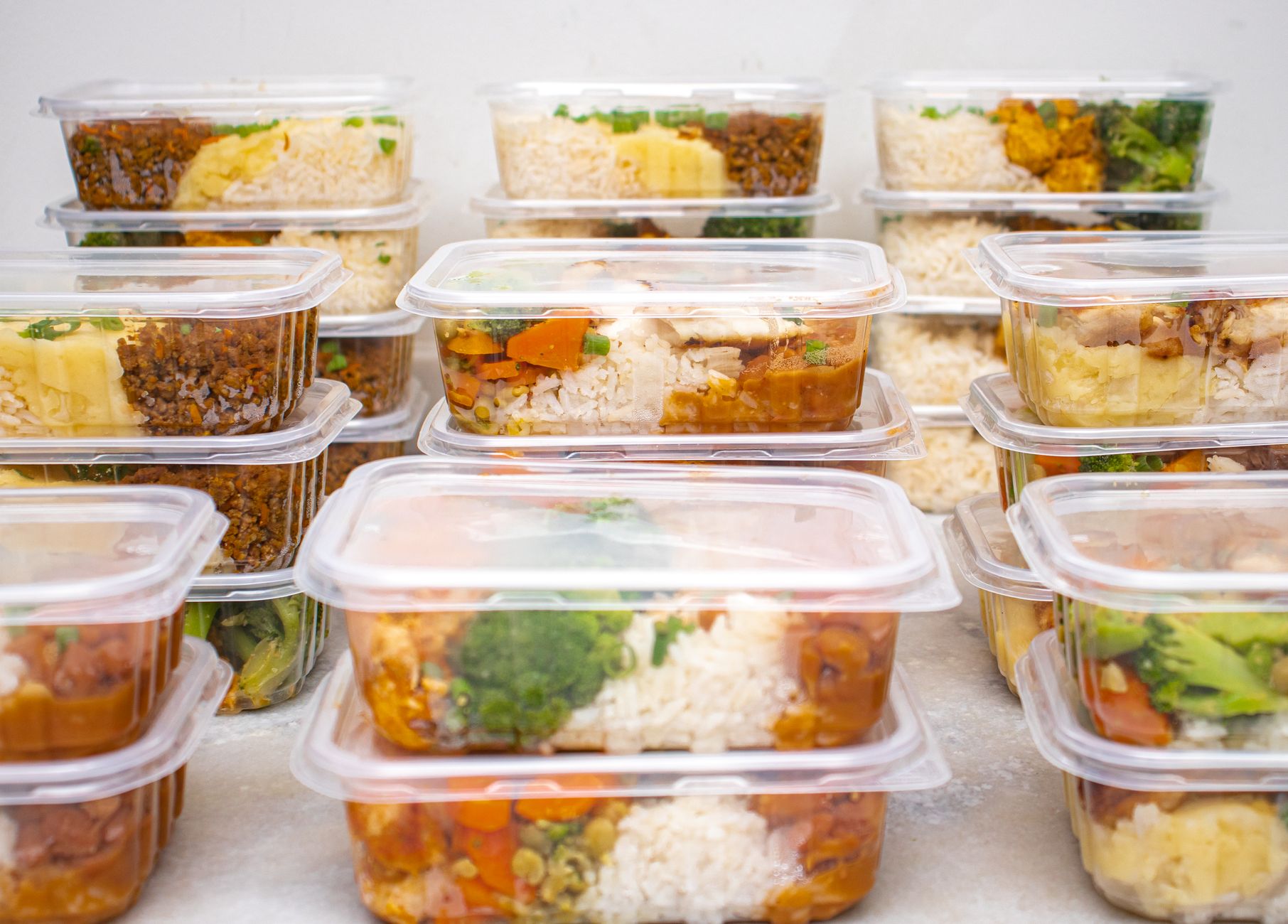
To begin my meal prep journey, I set aside Sundays as my dedicated cooking day. I spent about three hours each week planning, shopping, and cooking. I started with a simple plan: choose three meals that could be easily scaled — like chicken stir-fry, beef chili, and a pasta dish. Each meal had enough servings to last a couple of days. I used a combination of airtight containers and Ziploc bags to portion everything out. The first week was a learning curve. I underestimated the amount of containers I would need, and I ended up scrambling to find enough storage. However, by the second week, I bought a 12-pack of BPA-free containers, which really streamlined the process.
Shopping strategically was another hurdle. I quickly learned that creating a detailed grocery list was crucial to avoid missing ingredients. I began categorizing my list by sections in the store, which saved me time and reduced impulse purchases. My meal prep also included snacks, such as sliced veggies and hummus, to ensure I had healthy options available throughout the week.
One of the biggest challenges was finding the right balance in portion size. During the first week, I made the portions too large, leading to food waste. I adjusted by using a kitchen scale to measure ingredients more accurately, which helped in maintaining portion control and reducing waste.
Time Savings and Benefits
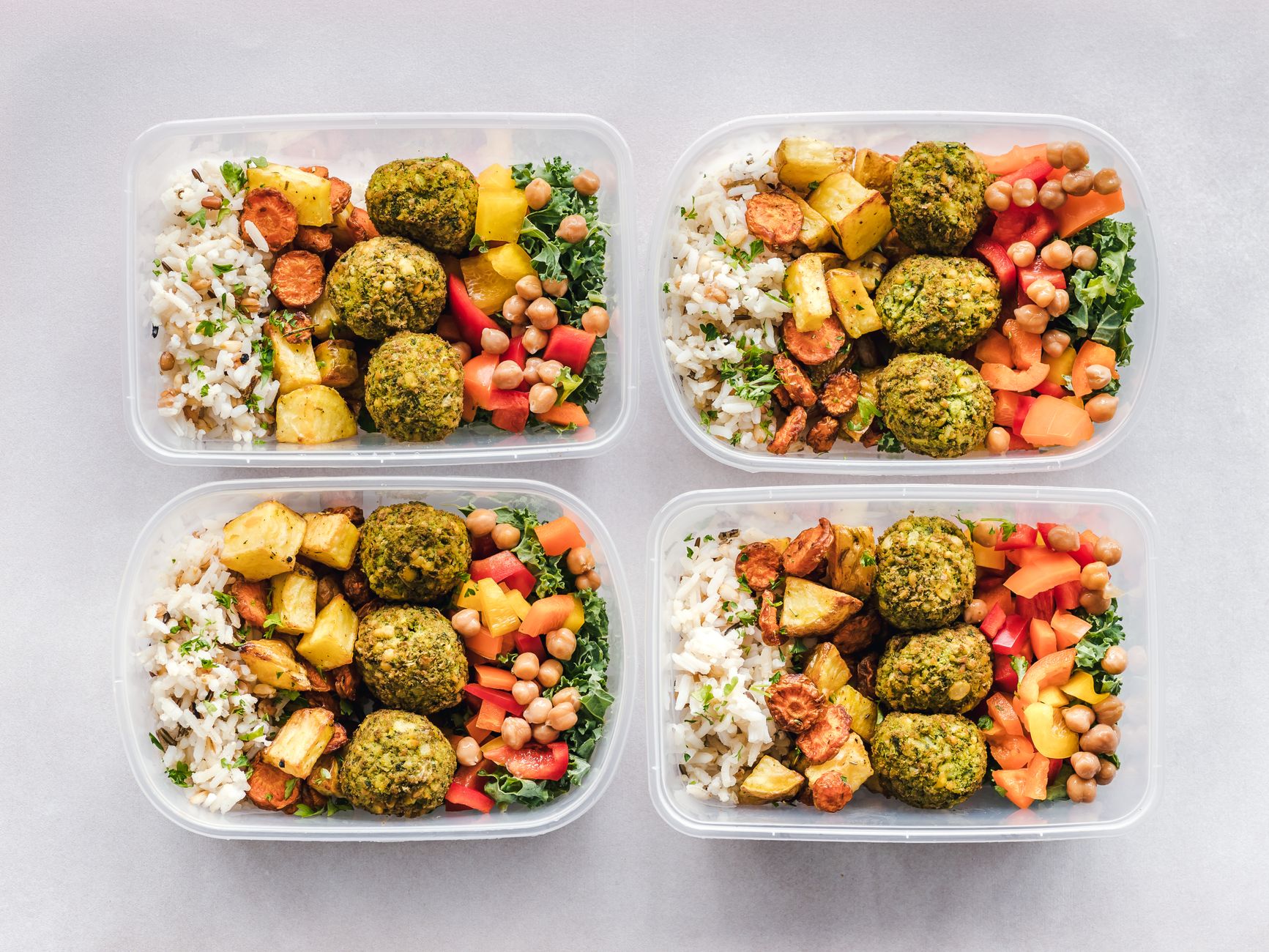
I was amazed at how much time I saved by prepping meals in advance. On average, I spent about 30 minutes reheating or finishing dishes each evening, compared to the usual 1.5 hours spent cooking from scratch. This meant more time for leisure and less time in the kitchen. Additionally, I found myself enjoying meals more because they were thoughtfully prepared. Not only did I cut down on cooking time, but I also reduced midweek grocery trips, saving money on impulse buys. A crucial tip: having a clear meal plan saved me from the dreaded "What's for dinner?" question, which used to lead to ordering takeout more often than I'd like to admit.
The benefits extended beyond time savings. I noticed an improvement in the quality of my meals. Since I was planning in advance, I chose a diverse range of recipes, which added variety and excitement to my weekly menu. By using fresh ingredients and experimenting with different spices, I created flavors that were far superior to my previous hurried efforts.
Furthermore, meal prepping helped me manage leftovers more effectively. Instead of letting them languish in the back of the fridge, I incorporated them into new dishes, such as turning extra roasted vegetables into a hearty soup. This not only minimized waste but also maximized the use of ingredients, a win-win for both my wallet and the environment.
Comparing Meal Prep to Nightly Cooking
I learned a lot by comparing my old routine to the new meal prep approach. Here's a breakdown of key differences:
| Aspect | Nightly Cooking | Weekly Meal Prep |
|---|---|---|
| Time Spent Cooking | 1.5 hours/night | 3 hours/week |
| Average Cost per Meal | $12 | $8 |
| Stress Levels | High | Low |
| Grocery Trips | 3-4 per week | 1 per week |
| Meal Variety | Limited | Diverse |
Practical Tips for Effective Meal Prep
Here are some tips to help you succeed with meal prep:
- Choose meals that have ingredients in common to simplify shopping and reduce waste.
- Invest in quality, microwave-safe containers to prevent spills and leaks. Glass containers are a great option as they don't retain odors.
- Label containers with the date and contents to avoid confusion and ensure you're using the oldest meals first.
- Incorporate a mix of fresh and frozen vegetables to maintain nutritional value and keep meals interesting.
- Don’t be afraid to freeze meals if you’re worried about freshness towards the week’s end. Soups, stews, and casseroles freeze particularly well.
- Schedule a mid-week check to shuffle meals around or add fresh ingredients to keep them exciting.
FAQs About Meal Prepping
Q: How long can prepped meals last in the fridge?
Meals typically last 3-4 days in the fridge. I often prep meals for Monday to Wednesday and freeze the rest to ensure freshness.
Q: Is meal prep only for dinners?
Not at all. You can prep breakfasts and lunches too. Overnight oats and quinoa salads are some of my go-to options, and they can be prepared in batches as well.
Q: What if I get bored of eating the same meals?
Variety is key. I rotate recipes every week and use different spices and sauces to keep things interesting. You can also swap out proteins or add seasonal vegetables for a fresh twist.
Q: Do I need special equipment to start meal prepping?
Not really. Basic kitchen tools like cutting boards, a good set of knives, and storage containers are essential. As you get more into meal prep, you might find a slow cooker or an Instant Pot handy for batch cooking.
EditorialOur Take
Overall, weekly meal prep has been a game-changer for my weeknight dinners. It's ideal for anyone who feels strapped for time or stressed about cooking daily. While the upfront work on the weekend can seem daunting, the payoff is undeniable: more free time and less hassle during the week. If you love spontaneity in your meals, this may not be for you. For me, the predictability and simplicity it introduced were exactly what I needed.
The structured approach not only improved my culinary skills but also encouraged healthier eating habits. Having a fridge stocked with balanced meals made me less likely to snack on unhealthy options. If you're ready to take the plunge into meal prepping, start small with a few meals and gradually scale up as you become more comfortable with the process. Whether you're a busy professional or a parent juggling multiple schedules, meal prepping can bring a sense of calm and order to your kitchen.
Published on .
Share now!

Sophia Bennett
Kitchen & Pantry Writer
Sophia Bennett covers the kitchen for Dailynib, from pantry organization to keeping produce fresh longer. She cooks most nights and treats her own kitchen as a testing lab for storage and prep tips. Sophia likes practical advice that saves time and reduces food waste. Sophia uses AI tools to research, draft, and help keep these articles accurate.
More from Sophia →The information on this site is of a general nature only and is not intended to address the specific circumstances of any particular individual or entity. It is not intended or implied to be a substitute for professional advice.
Get our best tips in your inbox
A short, practical email now and then. No spam, and you can unsubscribe anytime.