Published on:
5 min read
By Daniel Brooks · Organizing Contributor
Is the KonMari Method Right for Your Home Organization?
Implementing the KonMari Method has radically changed how I view my belongings, teaching me to focus on items that truly bring joy.

The Joy of KonMari: Is It Right for You?
When I first heard about the KonMari Method, I was skeptical. The idea of holding each item and asking if it 'sparks joy' seemed abstract and time-consuming. However, after finding myself surrounded by clutter and feeling overwhelmed, I decided to give it a try. Over the past year, this method has helped me not only declutter but also reconnect with what truly matters in my home. In this article, I'll walk you through my experience, the challenges I faced, and ultimately, how this method transformed my living space. You'll learn practical steps and insights to decide if this approach can work for you. From my initial doubts to a more organized, joyful space, here's my story.
My KonMari Journey: From Chaos to Clarity
I started my KonMari journey with my closet, spending about six hours one Saturday. I pulled everything out, a mountain of clothes I hadn't realized I owned. As I held each item, I was surprised at how many pieces I kept out of obligation rather than joy. By the end of the day, I had six bags of clothing ready to donate and a wardrobe of items I loved wearing. This process was both liberating and eye-opening, allowing me to reclaim space I didn't know I had.
The next weekend, I moved on to books and papers. I spent approximately eight hours sorting through everything. What I found was a collection of books that I had no intention of reading again and piles of documents that were long past their usefulness. By discarding what no longer served me, I created a small reading nook with the books I cherished.
Kitchen items were next. Surprisingly, this was the category that took me the longest—about ten hours over a couple of days. I discovered duplicate gadgets and unused appliances, all of which were taking up valuable counter space. By the end, I had cleared two entire cabinets, making room for the tools I actually used and enjoyed.
Unexpected Results: Time and Money Saved
The KonMari Method not only helped me declutter but also unexpectedly saved me time and money. With fewer clothes, I spent less time deciding what to wear each morning. I also noticed a decline in impulse purchases, as I became more intentional about adding new items. Over three months, I estimate saving $200 by not buying unnecessary items. The time saved each morning—about 10 minutes—adds up to over an hour a week, which I now spend on more fulfilling activities.
Furthermore, my weekly cleaning routine became more efficient. With fewer items to dust and organize, I cut down my cleaning time by about 30 minutes each week. These small changes accumulated, giving me back precious hours that I didn't realize I was losing.
Additionally, the emotional impact of living in a clutter-free environment has been profound. I find myself more at peace and less stressed, knowing that everything in my space has a purpose and a place. It's remarkable how much mental space you gain when your physical space is in order.
KonMari vs. Traditional Decluttering Methods
I compared the KonMari Method to my previous decluttering attempts, and the differences were stark. Unlike conventional methods, KonMari focuses on joy rather than utility, making it more sustainable for me. This approach allows for a deeper connection with the items I choose to keep, which has led to a more satisfying and lasting organization.
The focus on joy helped me maintain a clutter-free home, as I only retained items that truly mattered. In contrast, traditional methods often left me feeling like I had merely hidden the mess, only for it to return later. Minimalism, while effective, sometimes felt too rigid and impersonal. The KonMari Method struck a balance by allowing me to keep items that resonated with me personally.
| Method | Focus | Outcome |
|---|---|---|
| KonMari | Joy | Long-term satisfaction |
| Traditional | Use/necessity | Short-term relief |
| Minimalism | Quantity | Impersonal approach |
How to Start Your KonMari Adventure
If you're ready to try the KonMari Method, here's how you can start:
- Set a dedicated day or weekend for your decluttering project. Block this time in your calendar to avoid distractions.
- Tackle categories, not rooms: begin with clothes, then books, papers, miscellaneous items, and finally sentimental items. This order is designed to build your decision-making skills.
- Hold each item and ask, 'Does this spark joy?' If not, thank it and let it go. This gratitude practice is key to the process.
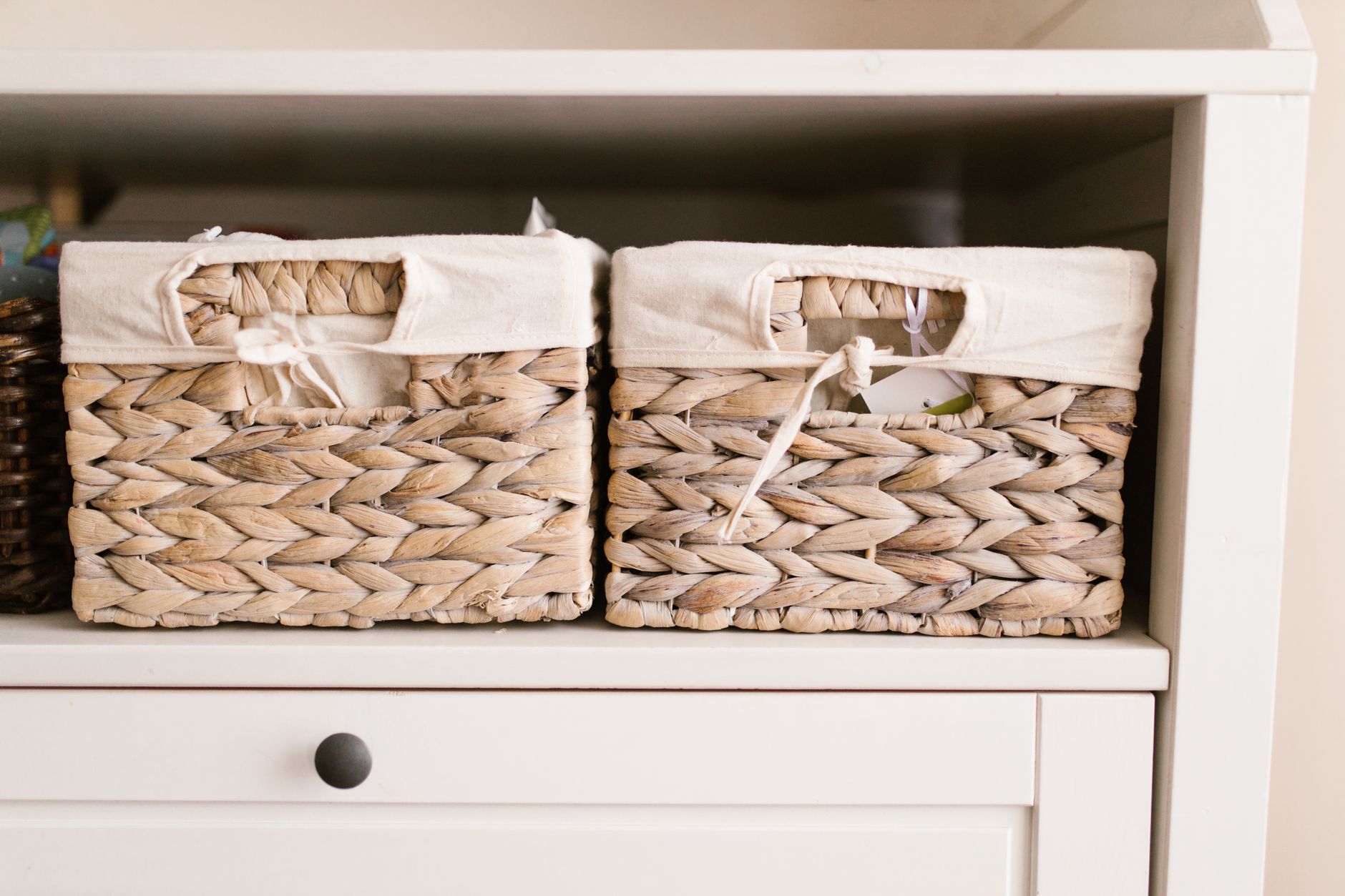
- Use storage solutions like boxes for organizing remaining items neatly. I used transparent bins for ease of access and visibility.
- Regularly revisit your categories to maintain your space. I schedule a quarterly review to ensure my home remains a place of joy and functionality.
KonMari Q&A: Common Concerns Addressed
Q: Is the KonMari Method too time-consuming?
For me, the initial stage was indeed time-consuming, taking several weekends. However, the ongoing maintenance requires much less time, about an hour a month.
Q: Do I need to get rid of everything that doesn't 'spark joy'?
Not necessarily. Some items, like tools or important documents, may not spark joy but are necessary. Balance is key; focus on keeping joy-centered items while recognizing practical needs.
Q: What if I live with others who don’t want to declutter?
Focus on your belongings first. Once others see the benefits and changes in your space, they might be inspired to join you. Open a dialogue about shared spaces and respect individual boundaries.
Q: Can the KonMari Method work in small spaces?
Absolutely. In fact, it's often more beneficial in small spaces, as it maximizes your limited area. I found it especially useful in my small city apartment, where creative storing solutions are a must.
EditorialOur Take
The KonMari Method, in my experience, is a powerful tool for creating a clutter-free, joy-filled home. It's not just about tidying up but transforming your relationship with your belongings. However, it's not a one-size-fits-all solution and may not suit those who prefer a more utilitarian approach to organization. For anyone feeling overwhelmed by clutter and seeking a fresh perspective, it's worth giving a try. Just be prepared to invest the time initially and embrace the process wholeheartedly. Whether your space is large or small, the KonMari Method can help you create a home that truly reflects your personal joy and values.
Published on .
Share now!

Daniel Brooks
Organizing Contributor
Daniel Brooks writes about getting (and staying) organized at home. After years of living in small rentals, he is convinced that good systems beat more storage boxes every time. He focuses on simple routines that survive a busy week. Daniel uses AI tools to research, draft, and help keep these articles accurate.
More from Daniel →The information on this site is of a general nature only and is not intended to address the specific circumstances of any particular individual or entity. It is not intended or implied to be a substitute for professional advice.
Get our best tips in your inbox
A short, practical email now and then. No spam, and you can unsubscribe anytime.