Published on:
4 min read
By Daniel Brooks · Organizing Contributor
Comparing Storage Bins: Which Type Suits Your Needs?
I tested plastic, fabric, and wooden storage bins to find the best fit for organizing my home. Here's what I found out about their durability, cost, and practicality.
Choosing the Right Storage Bin
I recently embarked on a mission to organize my cluttered home office and realized I needed storage solutions that were practical and fit my aesthetic. The three main contenders were plastic, fabric, and wooden storage bins. Each promised to declutter without the fuss, but which truly delivered? In this article, I'll walk you through my process of comparing these different storage bins, sharing my findings on what works and what doesn't.
Initially, my office was overflowing with documents, gadgets, and miscellaneous cords that desperately needed proper storage. I was determined to find bins that could help me categorize everything efficiently. My primary criteria were durability, cost, and how well they fit into the existing decor. By sharing my journey, I hope to make your organizing efforts a little easier.
Plastic Bins: Practical and Cost-Effective
First up were plastic storage bins. I picked up a set of five 18-gallon bins for $35, which was a pretty good deal. They were clear, allowing me to easily see the contents inside without having to label them. This was a huge time saver when I needed to quickly find something. However, they were quite bulky and didn't fit well in my tighter spaces, like under my desk. Another downside was their aesthetic; they looked utilitarian and didn't match the cozy vibe I wanted. But for basement storage or garage use, they held up well against moisture and accidental knocks.
I also found that plastic bins are great for seasonal items. For instance, storing winter clothes in the attic became much easier, as these bins kept out moisture and critters. They stacked neatly, although I had to be cautious not to stack them too high as accessing the bottom bins became difficult. The clear plastic was a double-edged sword; while useful for visibility, it left my storage looking cluttered if not organized internally.

Fabric Bins: Stylish but Limited
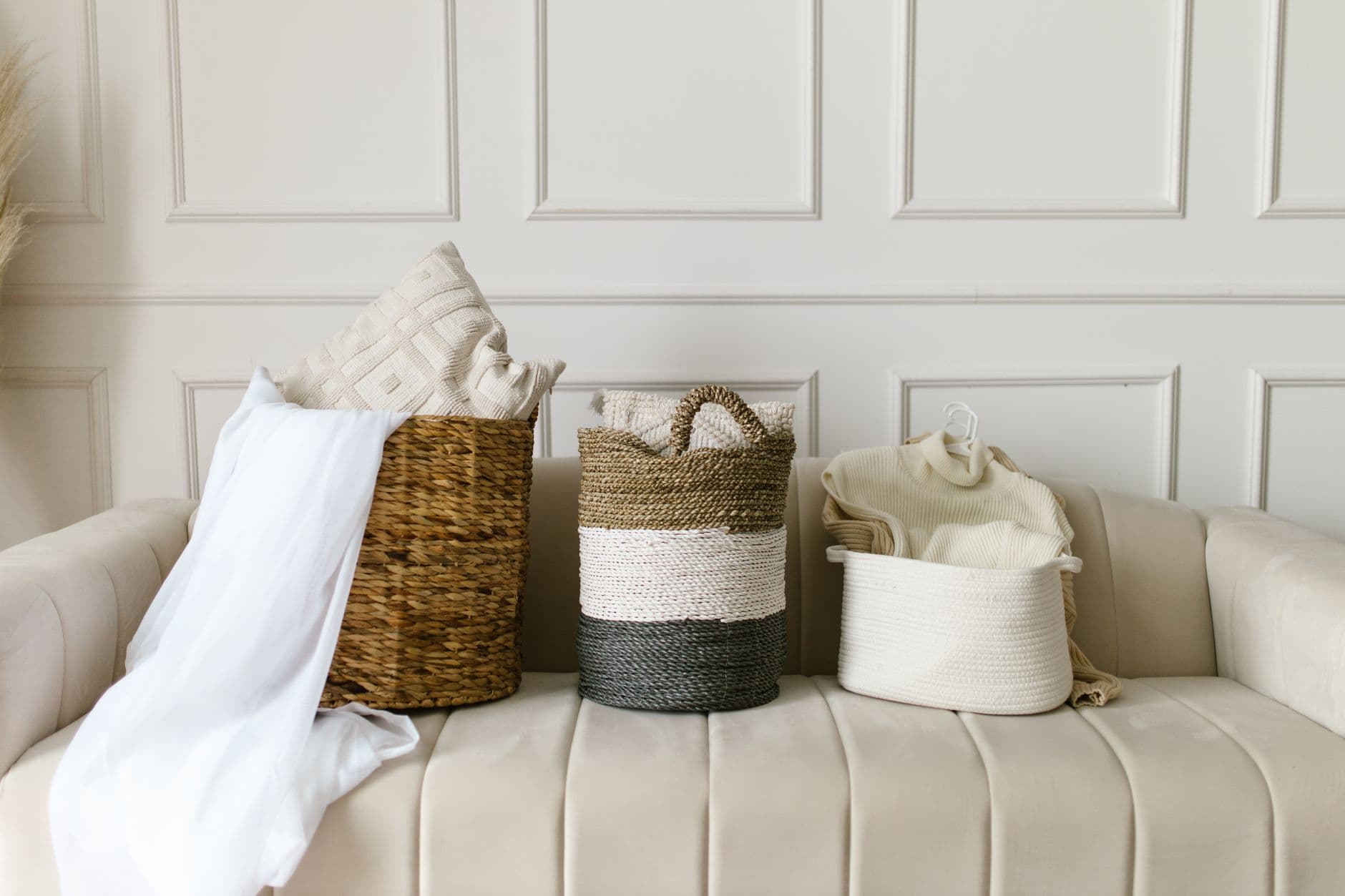
Next, I tried fabric bins. I purchased a set of six for $50, which was slightly more expensive than the plastic ones. They came in a variety of colors and patterns, making them a stylish addition to my room. These bins were perfect for items like stationery, small electronics, and cables. However, their soft sides made them unsuitable for heavy items or anything that required stacking. They also tended to sag if overloaded, so I had to be mindful of not overfilling them. They fit nicely in my office bookshelf, adding a splash of color and pattern.
One unexpected advantage of the fabric bins was their collapsibility. When not in use, they folded flat, saving space—a feature that plastic bins did not offer. This made them ideal for temporary storage solutions. However, when it came to dust accumulation, I noticed the fabric bins needed regular cleaning, especially in areas like the living room. Despite this, they provided a homey feel, making my work environment more welcoming.
Plastic vs Fabric vs Wooden: A Comparative Look
To see the differences clearly, I laid out the features and drawbacks of each type of storage bin in a simple table. This visual comparison helped me decide which type was best suited for each room in my house.
| Type | Pros | Cons |
|---|---|---|
| Plastic | Durable, Moisture-resistant, Inexpensive | Bulky, Less aesthetic |
| Fabric | Stylish, Lightweight, Flexible | Limited load capacity, Can sag |
| Wooden | Sturdy, Stacks well, Aesthetic | Heavy, Expensive, Not moisture-resistant |
Tips for Choosing the Right Bin
Here are some tips based on my experience to help you choose the right storage bins for your needs:
- Assess the weight of items you plan to store. Use plastic or wooden bins for heavier items, as fabric might not hold up.
- Consider where you'll place the bins. Fabric bins work well in spaces where aesthetics matter, like living rooms or offices.
- Think about moisture levels. Plastic bins are great for basements or garages due to their moisture-resistant properties.
- Measure your space. Ensure that whatever bin you choose fits well in its designated spot to avoid awkward storage solutions.
- Calculate your budget. Plastic bins are generally more affordable if you're looking to buy in bulk.
- Evaluate portability needs. If you frequently move your storage around, fabric bins are lightweight and easy to carry.
FAQs About Storage Bins
Q: Are fabric bins washable?
Yes, most fabric bins can be spot-cleaned or hand-washed, but it's best to check the manufacturer's care instructions.
Q: Can plastic bins withstand freezing temperatures?
Generally, yes. Plastic bins are fairly durable even in colder environments, making them suitable for outdoor storage.
Q: How can I prevent wooden bins from scratching my floors?
You can attach felt pads to the bottom of wooden bins to prevent scratches and make sliding them easier.
Q: What's the best way to label bins?
For plastic bins, consider using clear labels or a label maker. For fabric bins, tags or hanging labels work well.
EditorialOur Take
Ultimately, the best storage bin depends on your specific needs. If you're looking for cost-efficiency and durability, plastic bins are the way to go. For those who prioritize aesthetics and lightweight options, fabric bins are ideal. Wooden bins offer a balance of beauty and sturdiness but come at a higher cost and weight. Personally, I mix and match based on the room and its function. My office benefits from the fabric bins' style, while the garage is a better home for the rugged plastic ones. Consider your storage needs carefully, and you'll find the perfect fit for your home.
Published on .
Share now!

Daniel Brooks
Organizing Contributor
Daniel Brooks writes about getting (and staying) organized at home. After years of living in small rentals, he is convinced that good systems beat more storage boxes every time. He focuses on simple routines that survive a busy week. Daniel uses AI tools to research, draft, and help keep these articles accurate.
More from Daniel →The information on this site is of a general nature only and is not intended to address the specific circumstances of any particular individual or entity. It is not intended or implied to be a substitute for professional advice.
Get our best tips in your inbox
A short, practical email now and then. No spam, and you can unsubscribe anytime.