Published on:
4 min read
By Daniel Brooks · Organizing Contributor
How to Create a Functional Home Office in Limited Space
Transforming a small corner into a functional home office taught me the power of smart storage. Here's how I maximized space without compromising comfort.
- •Transforming My Tight Space into a Functional Home Office
- •Choosing the Right Desk: A Game Changer
- •Maximizing Storage: Small Space, Big Impact
- •Comparing Storage Solutions: What's Worth It?
- •Step-by-Step: Creating a Functional Office in Tiny Spaces
- •FAQs for Setting Up a Small Space Home Office
- •Our Take
Transforming My Tight Space into a Functional Home Office
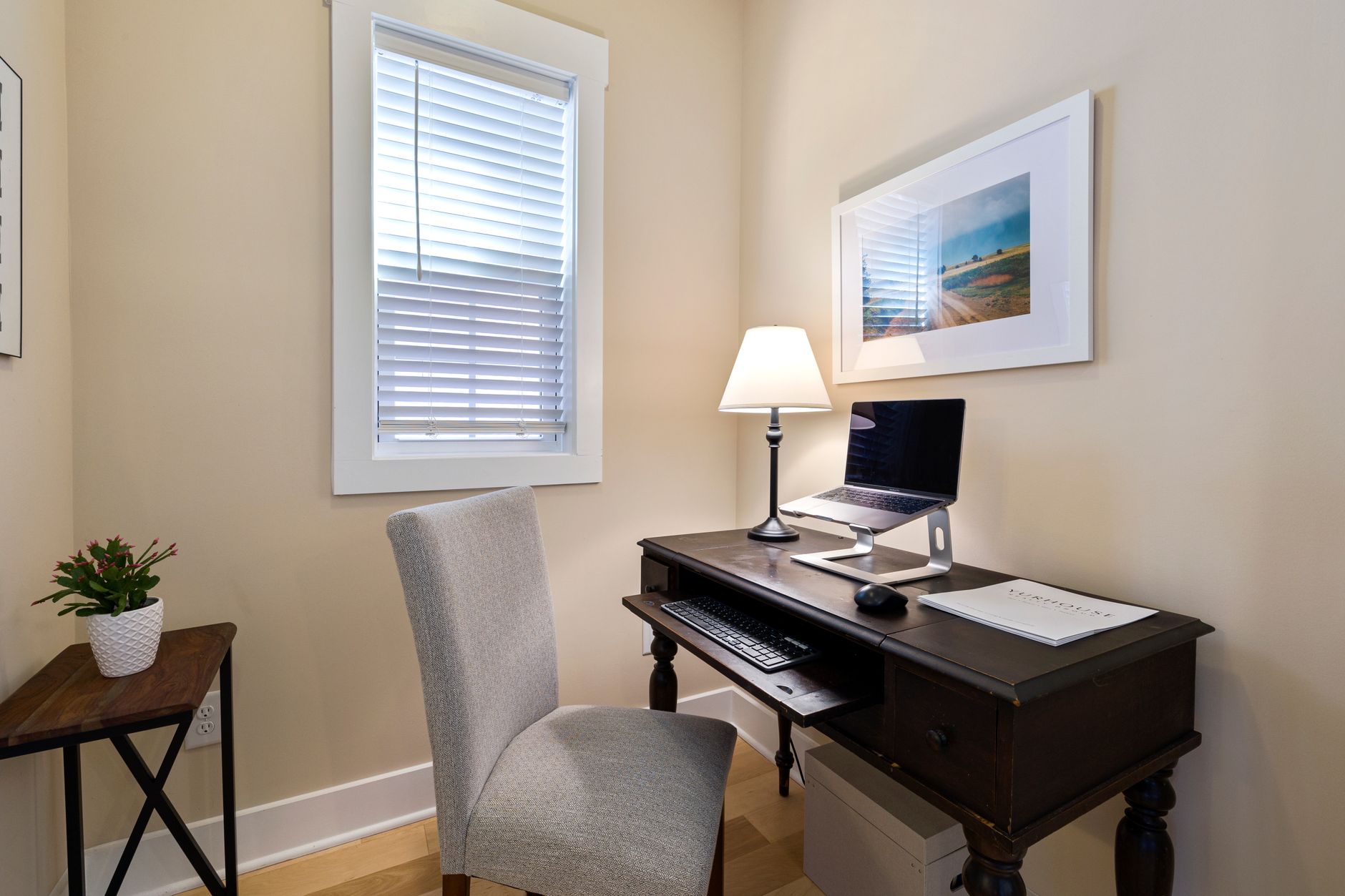
When I first decided to set up a home office, I was limited to a 5x5 foot nook in my living room. It was a challenging space, crammed between the sofa and a window. The goal was to create a functional workspace without disrupting the flow of the room. In this article, I'll share how I utilized smart storage solutions and space-saving strategies to make the most of a small area, detailing what worked, what didn't, and how you can replicate these results in your own home. By the end, you'll have practical steps and firsthand insights to tackle your own small space challenges.
Choosing the Right Desk: A Game Changer
My first attempt at creating a home office involved using an old, bulky desk I had stored in the basement. It occupied almost all the available space and left no room for movement. I soon realized that a more compact solution was necessary. I opted for a wall-mounted desk instead, which cost around $150. This desk freed up floor space and provided a clean, minimalist look. The installation took about two hours, involving some drilling and level adjustments. Its foldable design meant I could tuck it away when not in use, which was perfect for maintaining a tidy living area.
Installing the desk was the first real 'aha' moment for me—it was all about maximizing what little space I had without compromising on functionality. I learned that selecting the right furniture, even with some upfront research and expense, can have a significant impact on the overall usability of a space.
Maximizing Storage: Small Space, Big Impact
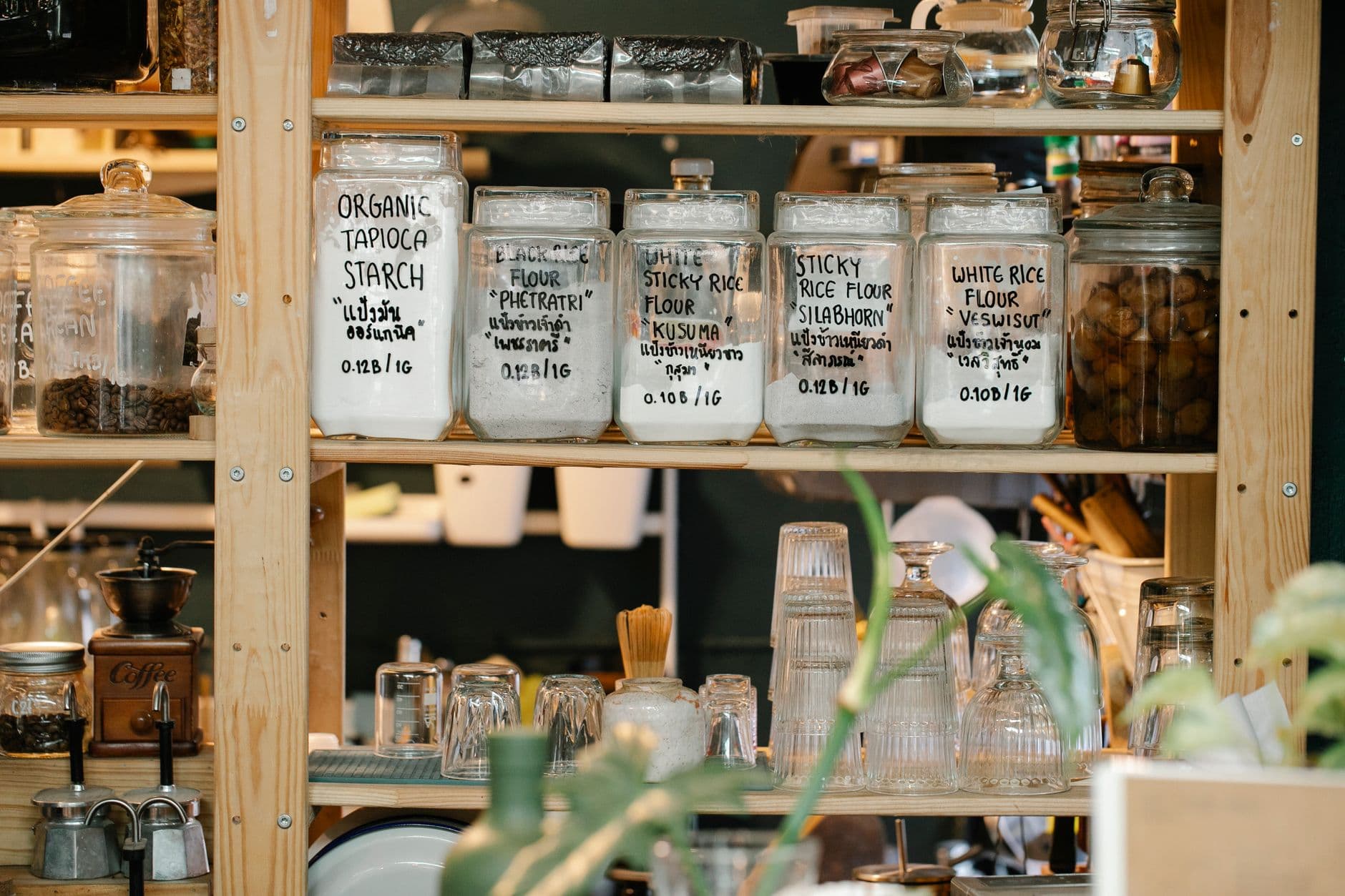
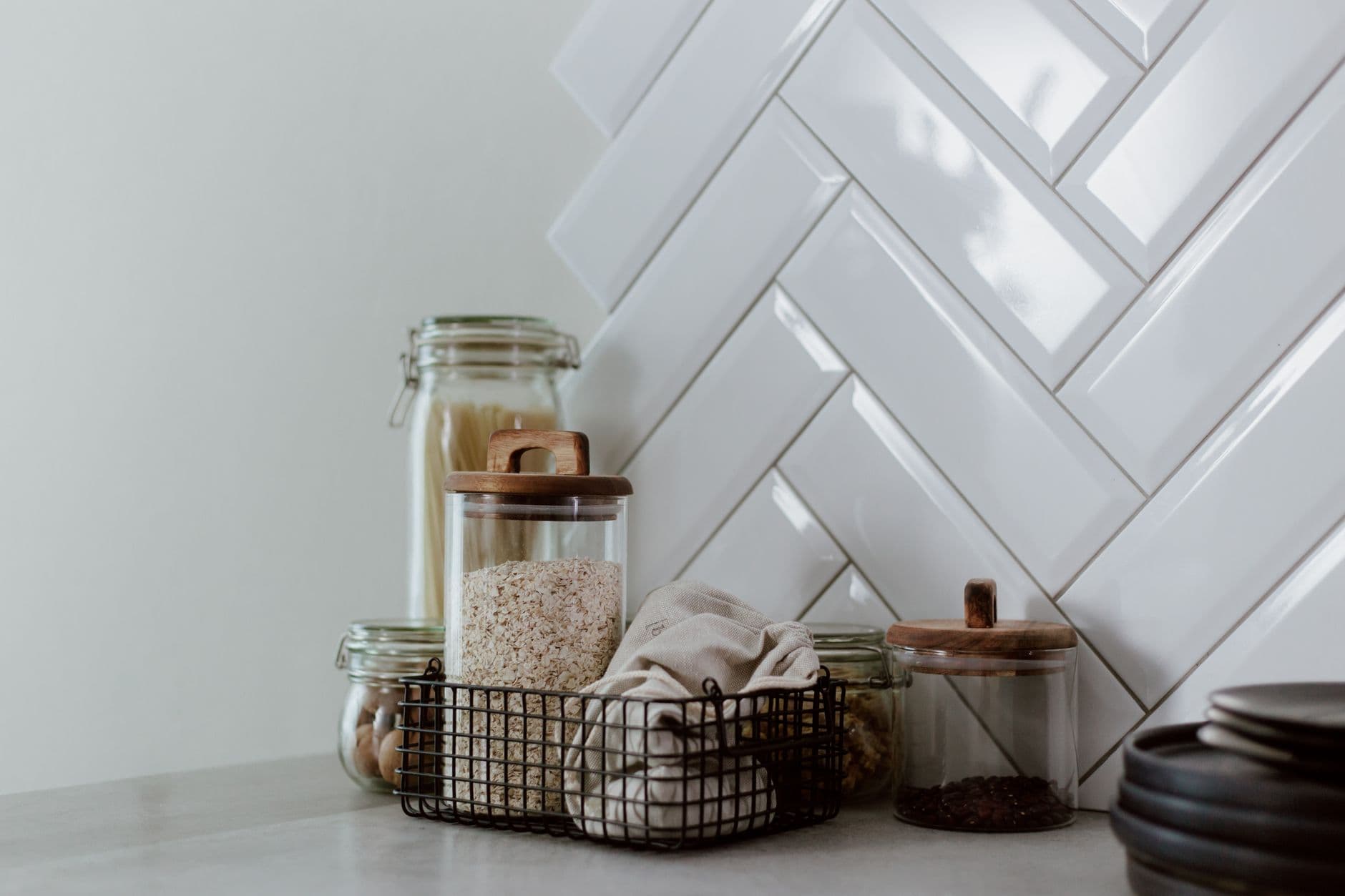
Storage was my next big hurdle. Initially, I tried using a small bookshelf, but it quickly became cluttered and unsightly. I shifted to a combination of floating shelves and a pegboard, spending roughly $80. The floating shelves held books and decorative items, while the pegboard organized smaller office supplies. This not only kept everything within reach but also added a personal touch to my workspace. I used clear storage bins for papers and labeled them for easy access, which drastically cut down the time I spent searching for documents.
One mistake I made was overloading the shelves initially. I had to scale back and focus on the essentials. Organizing supplies by frequency of use was crucial. Important documents were stored at eye level, while less frequently used items were placed higher up. This arrangement significantly improved my workflow and reduced stress.
Comparing Storage Solutions: What's Worth It?
I compared several storage options before settling on the right combination. Here's a brief overview of what I considered:
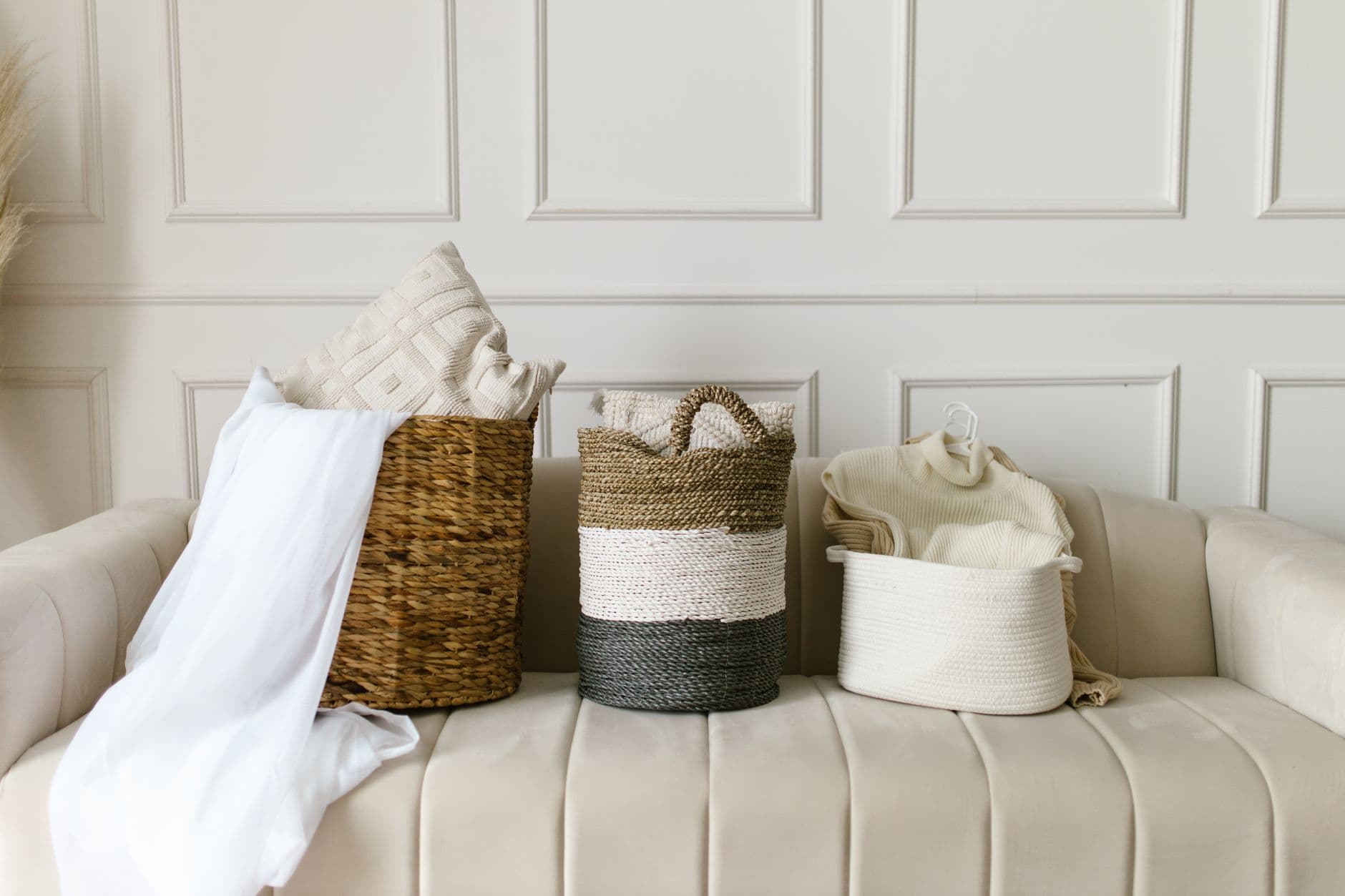
Some storage solutions I evaluated were wall-mounted shelves, a traditional bookshelf, and a storage cart. While each had its pros and cons, the choice ultimately depended on the balance between space saved and accessibility.
- Wall-mounted shelves provided vertical storage and were great for books and decor.
- A traditional bookshelf offered more storage but occupied too much floor space.
- The storage cart was mobile and versatile but didn't fit the aesthetic I was aiming for.
| Solution | Pros | Cons |
|---|---|---|
| Wall-mounted shelves | Space-saving, modern look | Limited weight capacity |
| Traditional bookshelf | Ample storage | Occupies floor space |
| Storage cart | Mobile, versatile | Can look cluttered |
Step-by-Step: Creating a Functional Office in Tiny Spaces
Here are the steps I took to set up my small space home office:
- Identify the space: Measure the dimensions of the available area to understand your constraints.
- Choose a wall-mounted or foldable desk: This saves floor space and provides flexibility. Look for desks that can double as storage units.
- Install floating shelves: Maximize vertical space for storage and decor. Ensure they're securely anchored to handle the weight.
- Use a pegboard: Organize small items like stationery and cables, customizing it to your specific needs with hooks and baskets.
- Label storage containers: Keep everything organized and easy to find. Use clear bins to quickly see contents, and update labels as needed.
- Incorporate personal touches: Add plants or artwork to make the space inviting, which can boost your mood and creativity.
FAQs for Setting Up a Small Space Home Office
Q: Can I create a home office in a rental apartment without making permanent changes?
Yes, opt for removable solutions like adhesive wall hooks for shelves or a freestanding desk. You can also use furniture with wheels for flexibility.
Q: How do I keep my small home office from looking cluttered?
Focus on vertical storage, use clear containers, and regularly declutter to maintain a tidy space. Implement a 'one-in, one-out' policy to keep clutter at bay.
Q: What type of chair is best for limited spaces?
A foldable or armless chair can save space and provide comfort without overwhelming the area. Consider a chair that can easily slide under the desk.
Q: How can I improve lighting in a small office setup?
Use clip-on or wall-mounted lights to save desk space and ensure good lighting without the need for floor lamps. Consider daylight bulbs to minimize eye strain.
EditorialOur Take
Creating a functional office in a limited space is a challenge, but with the right storage solutions, it's entirely doable. This setup is perfect for anyone who needs to maximize a small area without sacrificing style or functionality. While it requires some initial effort and planning, the results are rewarding. However, those who require more storage or work with larger equipment might need to explore other options. I found the process both educational and rewarding, and the changes have improved my productivity significantly.
Published on .
Share now!

Daniel Brooks
Organizing Contributor
Daniel Brooks writes about getting (and staying) organized at home. After years of living in small rentals, he is convinced that good systems beat more storage boxes every time. He focuses on simple routines that survive a busy week. Daniel uses AI tools to research, draft, and help keep these articles accurate.
More from Daniel →The information on this site is of a general nature only and is not intended to address the specific circumstances of any particular individual or entity. It is not intended or implied to be a substitute for professional advice.
Get our best tips in your inbox
A short, practical email now and then. No spam, and you can unsubscribe anytime.