Published on:
5 min read
By Emma Carter · Cleaning Editor
How to Remove Pet Hair from Carpets and Upholstery
With two furry friends, I've become a pro at extracting every last pet hair from my carpets and upholstery. This guide details my tried-and-true methods and tools.
My Pet Hair Battle Story
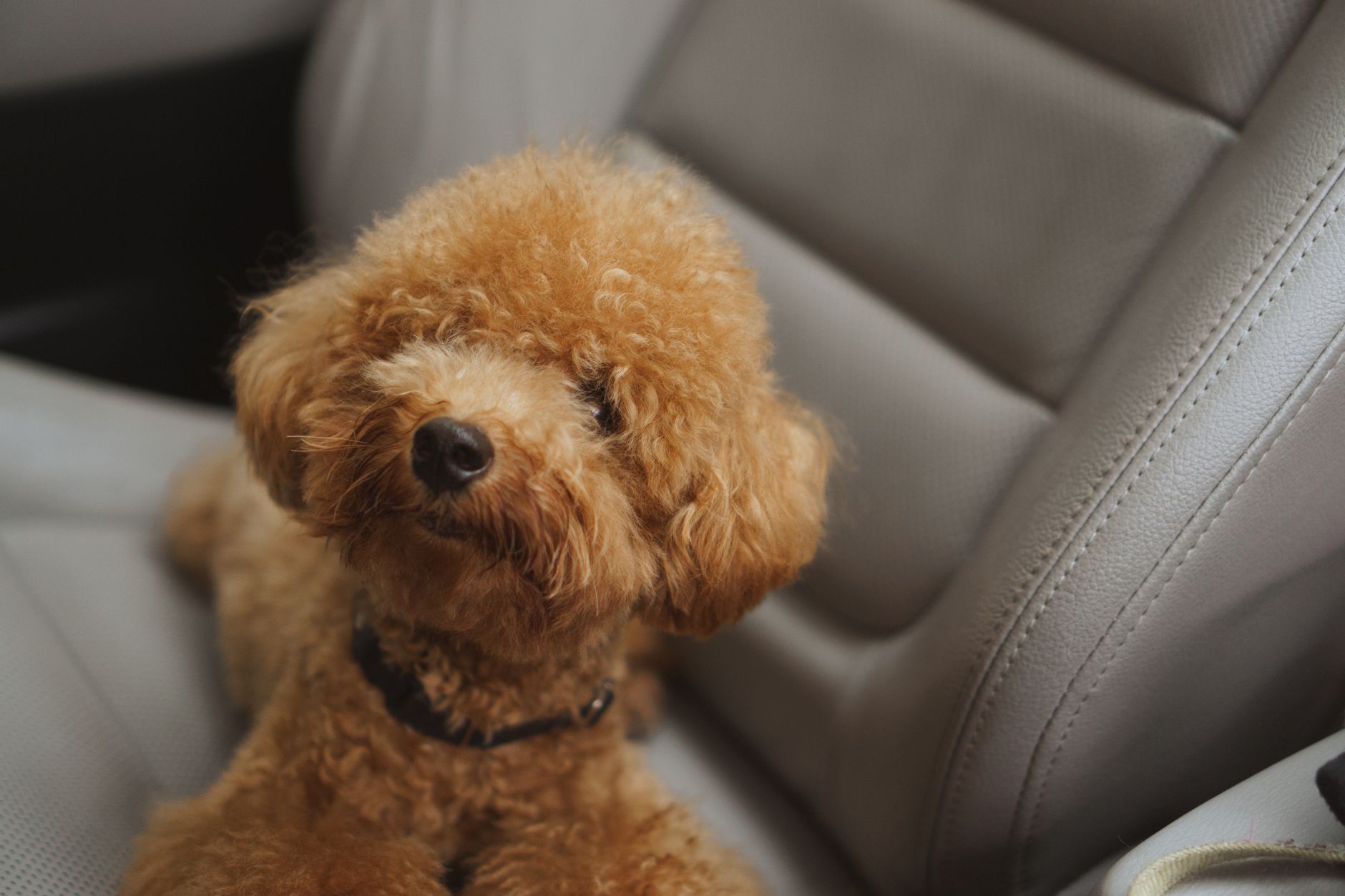
As a proud owner of two fluffy companions, Max and Luna, I’ve faced my fair share of pet hair challenges. When I first noticed their golden and black fur coating every surface, I was overwhelmed. It seemed like no matter how much I cleaned, I would find tufts of hair in every corner. Determined not to surrender, I embarked on a mission to find the most effective ways to rid my home of pet hair. This guide shares my journey and the techniques that actually worked.
I remember the first day I realized my home was starting to resemble a fluffy snow globe—beautiful, but not quite what I wanted for my living space. After some trial and error, I learned that patience and the right tools could transform my battle against pet hair into a manageable task. Along the way, I discovered that while some tools were game-changers, others were just not worth the effort. This journey has taught me that regular maintenance and the right equipment can make a world of difference in keeping a home hair-free.
The Lint Roller: A Handy Tool with Limitations
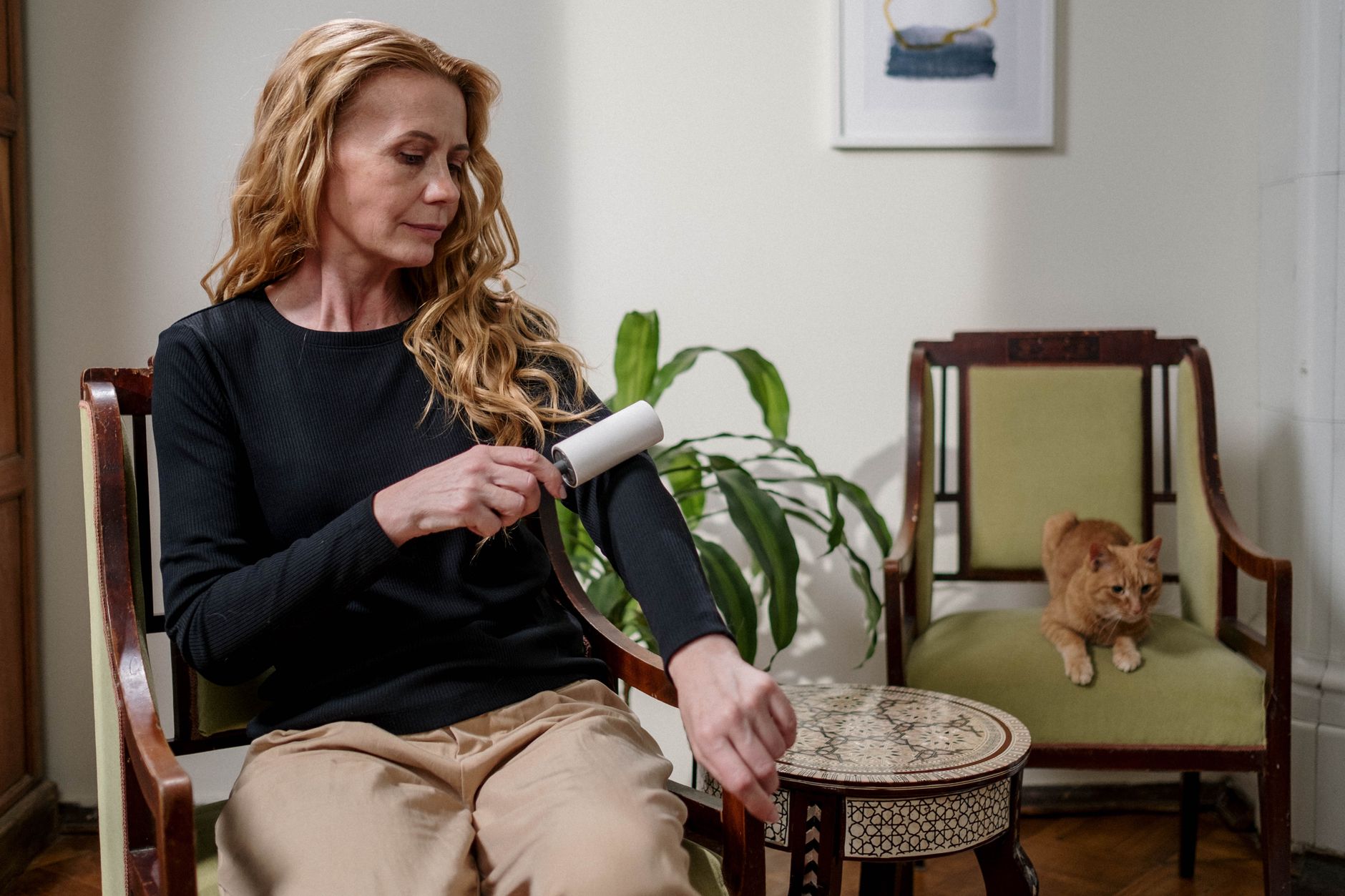
One of the first tools I reached for was the trusty lint roller. It’s incredibly satisfying to see the hair lift right off the fabric, but its limitations quickly became apparent. For starters, each lint roller sheet only covers a small area, so I found myself going through five to ten sheets just to get through my three-seater couch. At roughly $4 per roll, it wasn’t long before I realized this wasn’t sustainable for my budget or the environment.
When I first started using the lint roller, I didn’t think much about the cost. However, after a few weeks, I noticed how often I needed to restock. It was fine for quick touch-ups or when I had guests coming over unexpectedly, but for consistent results, I needed something more robust. The lint roller remains a staple for getting hair off my clothes before I leave the house, though, ensuring I don’t bring my pet problem out into the world.
I also found that while the lint roller picks up surface hair effectively, it doesn't reach deeper layers of hair embedded in fabric fibers. This is especially true for upholstered furniture that sees a lot of use, where pets tend to snuggle into the cushions. For these situations, I needed to expand my toolkit to more heavy-duty solutions.
Vacuum Cleaners: Not All Are Created Equal
After the lint roller proved too limited, I turned to my vacuum cleaner. The first model I tried was a basic upright vacuum, but it struggled with the stubborn hair embedded in the carpet fibers. Then I tried a pet-specific vacuum, which came with specialized attachments like a motorized brush. This was a game-changer. In one session, I managed to clear an entire room of pet hair in about 15 minutes.
The difference was night and day. The pet-specific vacuum, priced at around $150, was worth every penny. With its powerful suction and rotating brush, it could easily handle the embedded hair that the regular vacuum left behind. One practical lesson I learned was to vacuum slowly. It might seem like a time-saver to rush through the process, but giving the vacuum time to suck up the hair made all the difference.
Additionally, I found that the frequency of vacuuming played a crucial role. By keeping to a consistent schedule—vacuuming high-traffic areas every day or so and doing a thorough clean once a week—I managed to keep hair accumulation under control. This routine not only reduced the hair on the surface but also improved the air quality by minimizing allergens and dander.
Comparing Pet Hair Removal Tools
Through trial and error, I encountered several tools, each with its own pros and cons. Here’s a breakdown of my experience with three main tools:
| Tool | Efficiency | Cost |
|---|---|---|
| Lint Roller | Low | $4 per roll |
| Upright Vacuum | Medium | $80 |
| Pet-specific Vacuum | High | $150 |
Step-by-Step: My Hair Removal Routine
Here’s my weekly routine that keeps pet hair at bay:
- Use a pet-specific vacuum to clean carpets and upholstery, focusing on high-traffic areas. This takes about 20 minutes per room.
- Follow up with a rubber glove dampened slightly with water to gather remaining loose hairs. This trick works surprisingly well on fabric surfaces and costs next to nothing.
- For clothes and small areas, use a lint roller for quick touch-ups. It takes just a few minutes, making it perfect for last-minute cleanups.
- Finally, wash any removable covers every two weeks to keep them fresh and hair-free. I usually set my machine to a gentle cycle with cold water to protect the fabric.
FAQs on Pet Hair Removal
Q: Can I use a regular vacuum for pet hair?
Regular vacuums can remove some pet hair, but a pet-specific vacuum is much more effective with its specialized attachments.
Q: Do those rubber brooms really work?
Yes, rubber brooms can help gather hair on hardwood or tile floors but are less effective on carpets.
Q: How often should I vacuum to manage pet hair?
For optimal results, I vacuum high-traffic areas daily and do a deep clean weekly.
Q: Are there any DIY solutions for removing pet hair?
A dampened rubber glove or a slightly wet sponge can be effective DIY solutions for picking up pet hair on fabric surfaces.
EditorialOur Take
Mastering pet hair removal is all about using the right tools for the right surfaces. I found that a pet-specific vacuum made the biggest difference in my cleaning routine. Lint rollers are perfect for quick fixes, but they simply can't handle larger jobs. This guide is perfect for pet owners frustrated with the never-ending battle against fur. While the initial expense for a good vacuum can seem steep, the time saved and results are well worth it. For those without pet-specific vacuums, consider borrowing one to test it out before fully committing.
Remember, consistency is key. By incorporating these tools into a regular cleaning schedule, you'll be able to enjoy a hair-free home without the constant stress of surprise fur discoveries. This approach has worked wonders for me, and I hope it brings you similar relief.
Published on .
Share now!

Emma Carter
Cleaning Editor
Emma Carter leads Dailynib's cleaning coverage. She spends her weekends trying different cleaning methods around her own apartment and writing up what genuinely works versus what just sounds good online. Emma is happiest when a five-minute trick replaces an hour of scrubbing. Emma uses AI tools to research, draft, and help keep these articles accurate.
More from Emma →The information on this site is of a general nature only and is not intended to address the specific circumstances of any particular individual or entity. It is not intended or implied to be a substitute for professional advice.
Get our best tips in your inbox
A short, practical email now and then. No spam, and you can unsubscribe anytime.