Published on:
5 min read
By Emma Carter · Cleaning Editor
How a New Study on Germ Spread is Changing Cleaning Habits
A recent study on germ transmission had me rethink my cleaning habits. Here's what I changed, what worked, and how you can do it too.
Why I Changed My Cleaning Routine
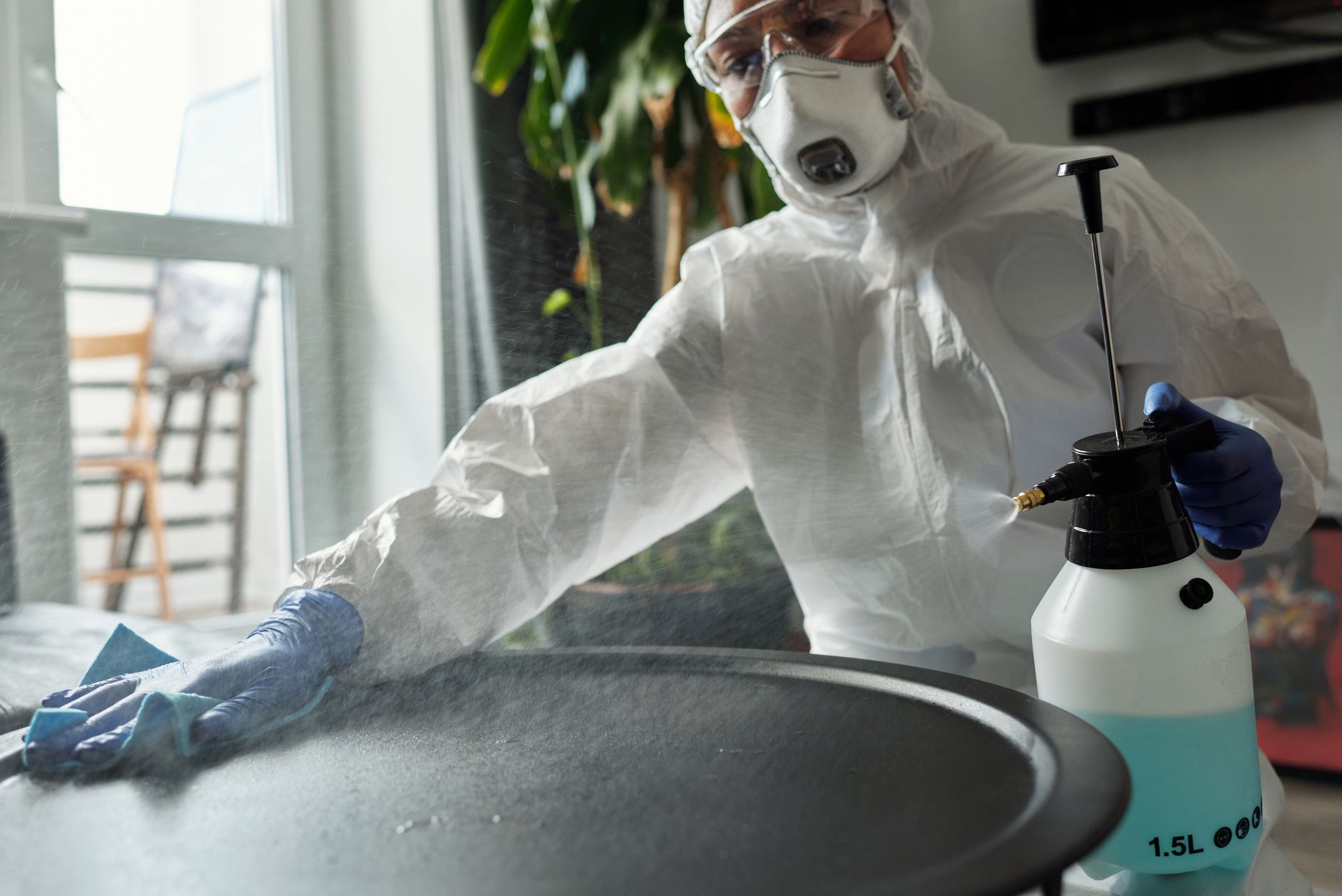
Recently, I stumbled upon a study that delved into how quickly germs can spread in a home environment. It was an eye-opener, revealing that our previous cleaning efforts might not be as effective as we thought. This prompted me to rethink my cleaning routine, focusing on critical areas like doorknobs, light switches, and kitchen counters. In this article, I'll share how I adapted my cleaning habits, what changes made the biggest impact, and practical steps you can take to improve your home hygiene.
The study highlighted how common household surfaces can become germ hotspots, contributing to the spread of bacteria and viruses among family members. I realized that while my cleaning routine was consistent, it wasn't necessarily targeted at the most crucial areas. This realization pushed me to investigate further and update my strategies. I'm excited to share the tangible improvements I've noticed and how you might achieve similar results.
The Kitchen Counter: A Germ Hotspot
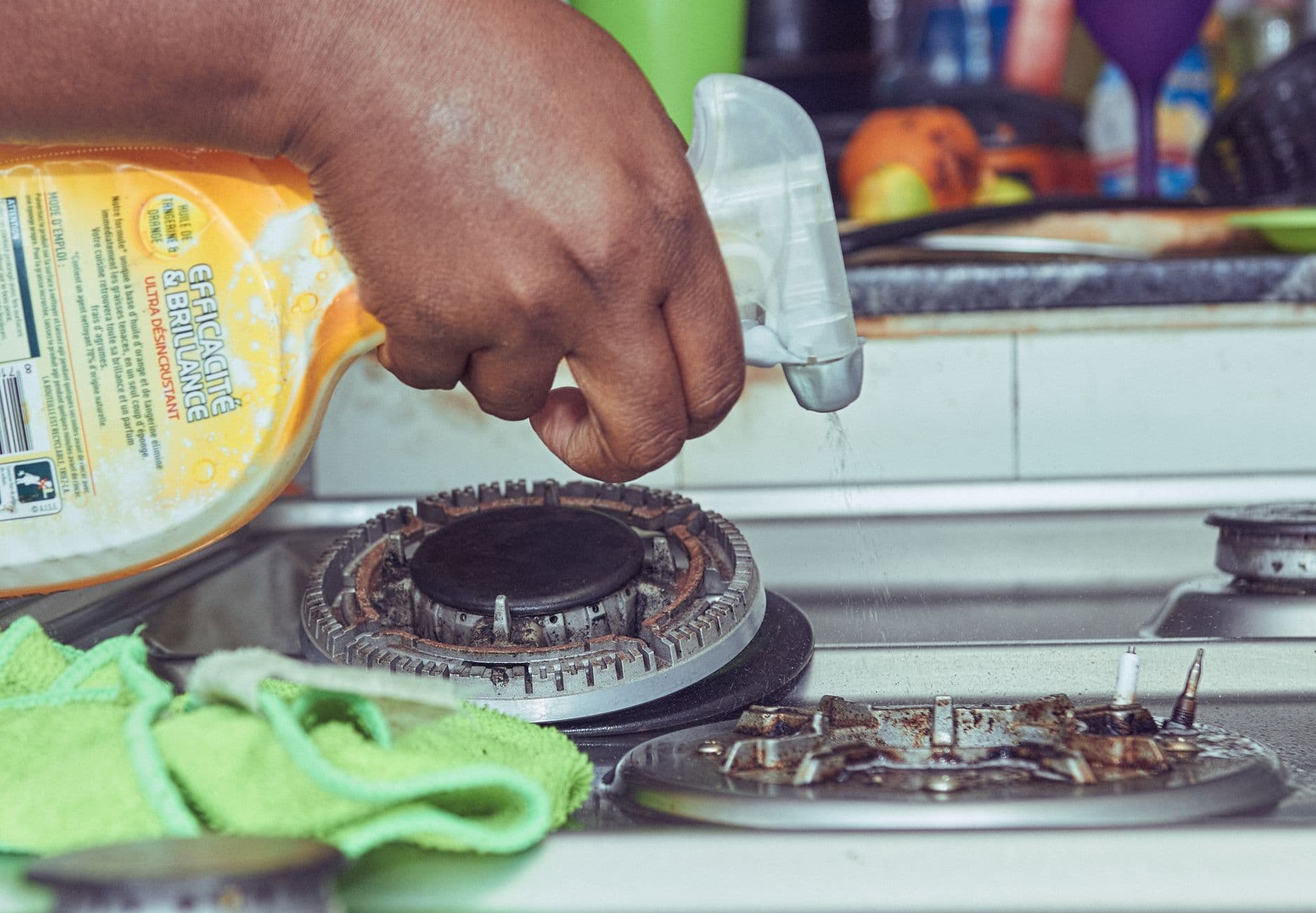
The study highlighted that kitchen counters are often overlooked, yet they can harbor a significant amount of bacteria. I used to wipe them down once a day, usually at night. However, now I clean them multiple times a day, especially after preparing meals. I switched to a bleach-based cleaner, which has proved to be more effective than the natural solutions I previously used. Within just a week, I noticed a reduction in that sticky grime that often builds up. It's also become a ritual to clean the counter immediately after handling raw meat or unpacking groceries, making it a much less stressful task.
Previously, I believed that a quick wipe with a damp cloth was enough. However, after reading that germs can thrive and multiply on damp surfaces, I needed a change. I now ensure that the counter is completely dry after cleaning. To my surprise, this simple step has significantly reduced the persistent odors that sometimes lingered in the kitchen. The effort of cleaning more frequently was balanced by the ease of maintenance, as I no longer had to deal with stubborn stains or build-up.
Disinfecting High-Touch Surfaces More Often
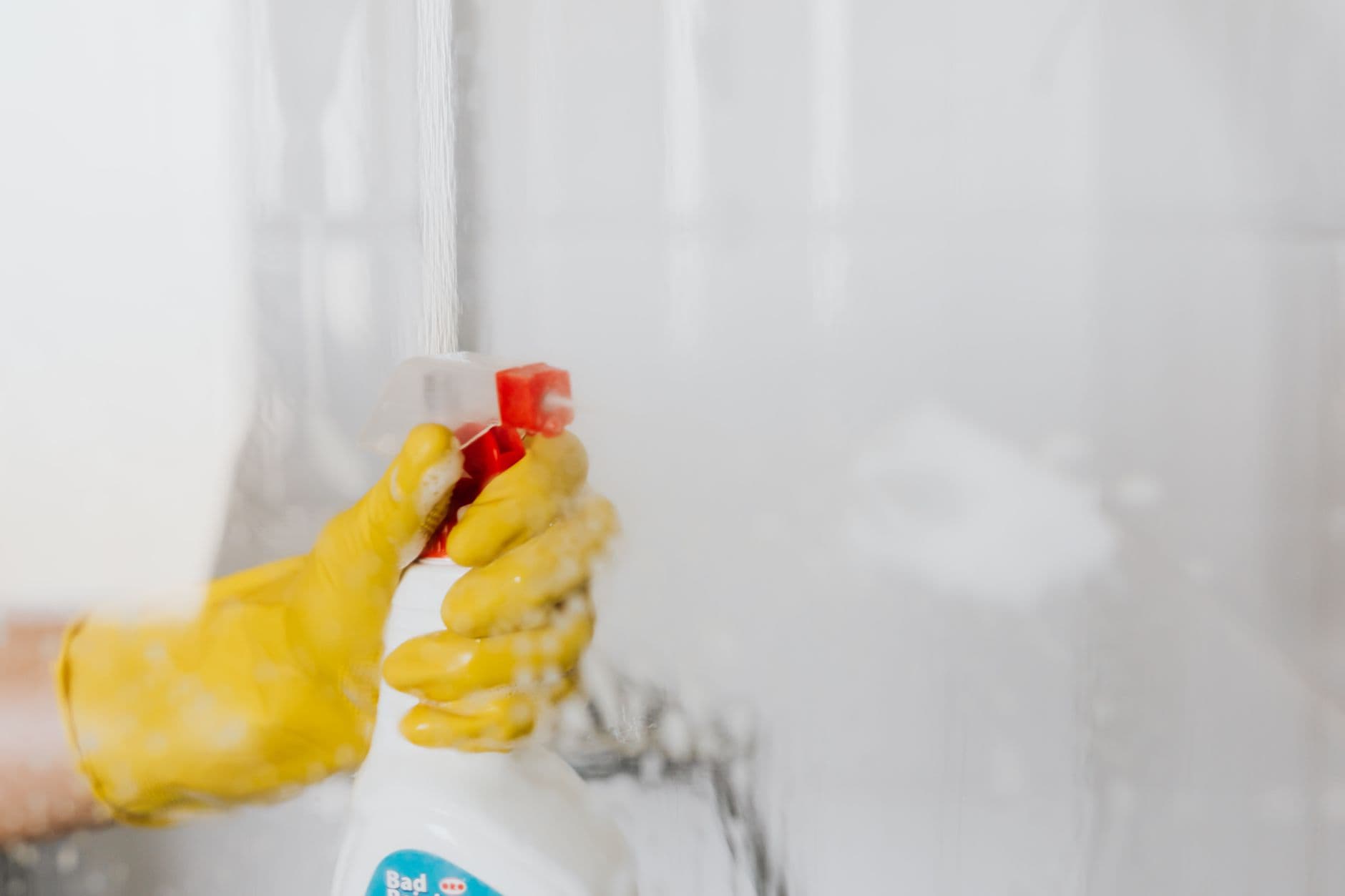
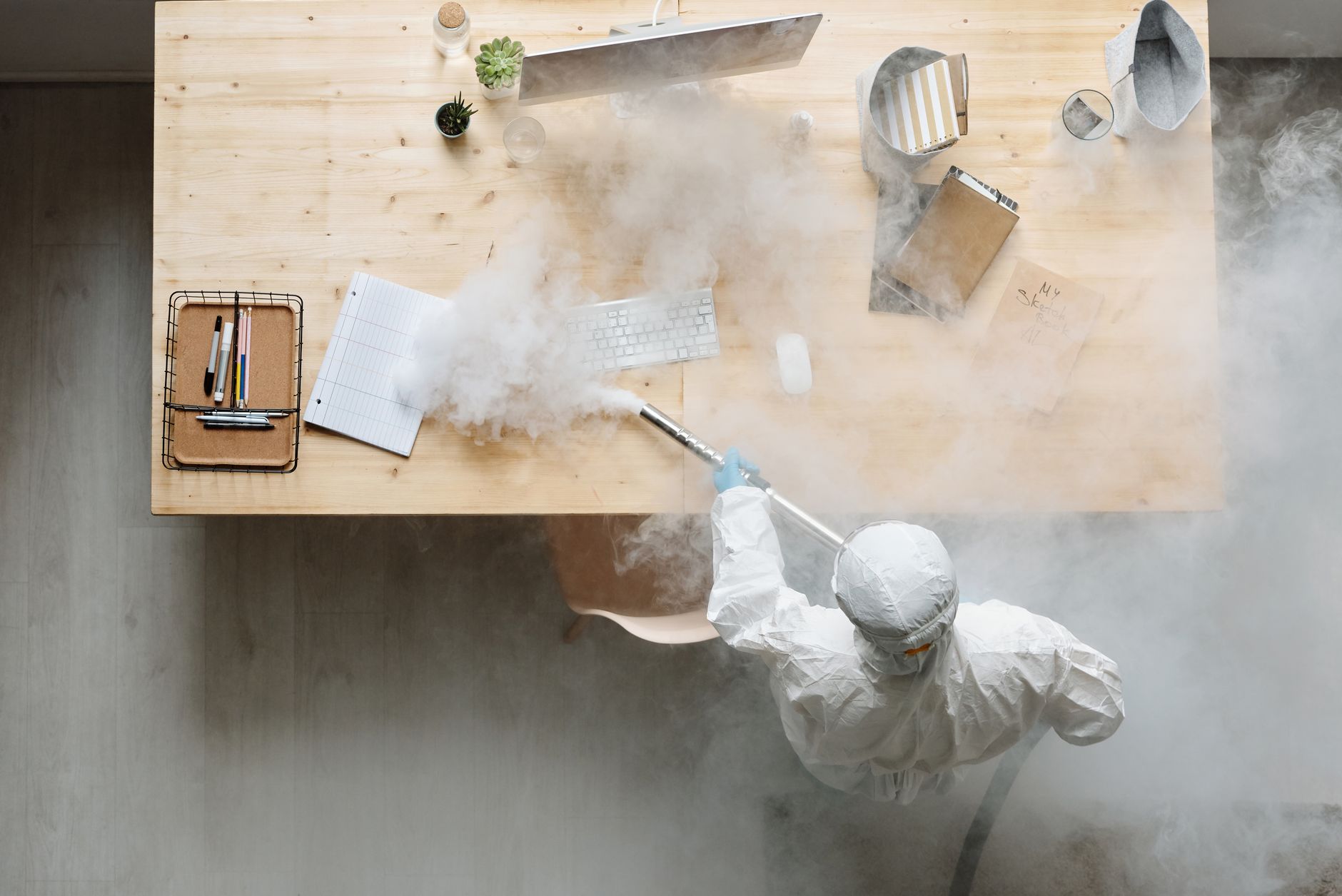
Before the study, I would disinfect high-touch surfaces weekly. The study demonstrated that germs could transfer within hours, especially on items like light switches and doorknobs. Now, I clean these surfaces every other day using a disinfectant spray. I was initially worried about the extra time, but it takes just 10 minutes to cover the entire house. I've found that using microfiber cloths instead of paper towels is not only more economical but also more effective in capturing bacteria. A pack of five microfiber cloths cost me about $15 and lasts for months.
I was surprised at how quickly these changes improved our household's overall cleanliness. Not only did this reduce the number of colds and minor illnesses in our family, but it also made our home feel fresher. By focusing on these high-traffic areas, I felt more in control and less anxious about unseen germs. It's incredible how a simple shift to everyday cleaning can bring such peace of mind. Plus, the microfiber cloths have proven to be a versatile tool, useful for polishing mirrors and dusting surfaces, making them a valuable addition to my cleaning toolkit.
Comparing Cleaning Products
I decided to test different cleaning products to see which ones were most effective at reducing germ presence according to the study's metrics. Here's what I found most useful:
In my quest to make my home safer, I experimented with various cleaning products. I wanted to strike a balance between effectiveness and cost, ensuring I wasn't overspending while maintaining a clean living space. The results affirmed my decision to diversify the products I use based on their efficiency in different scenarios.
| Product | Effectiveness | Cost per Use |
|---|---|---|
| Bleach-based cleaner | High | $0.10 |
| Natural vinegar solution | Moderate | $0.05 |
| Disinfectant wipes | High | $0.20 |
Steps to Improve Your Cleaning Routine
Based on my experience, here are some practical tips to reduce germ spread in your home:
- Clean kitchen counters after every meal preparation to prevent germ build-up.
- Disinfect high-touch surfaces every other day to minimize germ transfer.
- Use disinfectant wipes for quick clean-ups, especially in bathrooms and near doorways.
- Switch to microfiber cloths for better cleaning efficiency and environmental friendliness.
- Regularly clean and sanitize your cleaning tools, like sponges and cloths, to prevent them from becoming breeding grounds for germs.
FAQ on Germ Spread and Cleaning
Q: How often should I disinfect surfaces in my home?
Disinfect high-touch surfaces every other day to effectively reduce germ spread.
Q: Are natural cleaners effective against germs?
Natural cleaners like vinegar can reduce bacteria, but bleach-based cleaners are more effective for thorough disinfection.
Q: What's the best way to sanitize sponges and cloths?
Microwave wet sponges for two minutes or wash microfiber cloths in hot water weekly to sanitize them.
Q: How do I ensure my cleaning routine doesn't become overwhelming?
Focus on high-touch areas and spread tasks throughout the week to maintain a manageable schedule.
Q: Can I use the same products for all surfaces?
It's best to use specific products for different surfaces to ensure efficacy and avoid damage.
EditorialOur Take
Implementing changes based on the study has been a game-changer for my cleaning routine. While it requires a bit more effort, the reassurance of knowing that my home is cleaner and more inviting is worth it. This approach is ideal for busy individuals who want a practical way to improve their household cleanliness without overspending. However, if you're already stretched for time, focus on just a few critical habits like cleaning high-touch surfaces more often. Overall, these changes struck a balance between maintaining an efficient routine and ensuring a cleaner living environment.
For those new to adjusting their routines based on such studies, it's crucial to remember that every home is different. Start small, perhaps by targeting one room or one type of surface, and expand your cleaning efforts as you become more comfortable. The ultimate goal is not just to clean but to create a more pleasant environment for you and your loved ones. This proactive approach is well worth the effort.
Published on .
Share now!

Emma Carter
Cleaning Editor
Emma Carter leads Dailynib's cleaning coverage. She spends her weekends trying different cleaning methods around her own apartment and writing up what genuinely works versus what just sounds good online. Emma is happiest when a five-minute trick replaces an hour of scrubbing. Emma uses AI tools to research, draft, and help keep these articles accurate.
More from Emma →The information on this site is of a general nature only and is not intended to address the specific circumstances of any particular individual or entity. It is not intended or implied to be a substitute for professional advice.
Get our best tips in your inbox
A short, practical email now and then. No spam, and you can unsubscribe anytime.