Published on:
5 min read
By Emma Carter · Cleaning Editor
Can Essential Oils Boost Your Cleaning Routine?
I experimented with essential oils in my cleaning routine and discovered some impressive benefits. Here’s how I changed my approach and the results I saw.
My Essential Oil Cleaning Experiment
I had always been curious about using essential oils in my cleaning routine, but I wasn't sure if they would actually make a difference. So, I decided to conduct an experiment in my own home to see if they could boost my cleaning routine. Over two weeks, I incorporated essential oils into my cleaning products and processes, focusing on areas like the kitchen, bathroom, and living room. Through trial and error, I discovered some methods that worked surprisingly well and others that fell flat. In this article, I'll share what I learned, the mistakes I made, and the tips I'd recommend for anyone looking to try this fragrant approach. Essential oils are not just about adding a pleasant scent; they often have properties that can enhance cleaning effectiveness, like antibacterial and antifungal qualities. However, figuring out the right balance and application can be tricky, as I found out.
Tackling the Kitchen with Lemon Oil
The kitchen was my first testing ground. I chose lemon essential oil due to its known antibacterial properties and uplifting scent. I mixed about 15 drops of lemon oil with a cup of distilled water and a quarter cup of vinegar, using this as a spray for my countertops. Initially, I was worried about the vinegar smell overpowering the lemon, but it was surprisingly refreshing. This mix not only cleaned well but also left a lingering citrus scent that made my kitchen smell fresh. I also added a few drops onto a damp cloth to wipe down my fridge shelves, which worked wonders for removing odors.
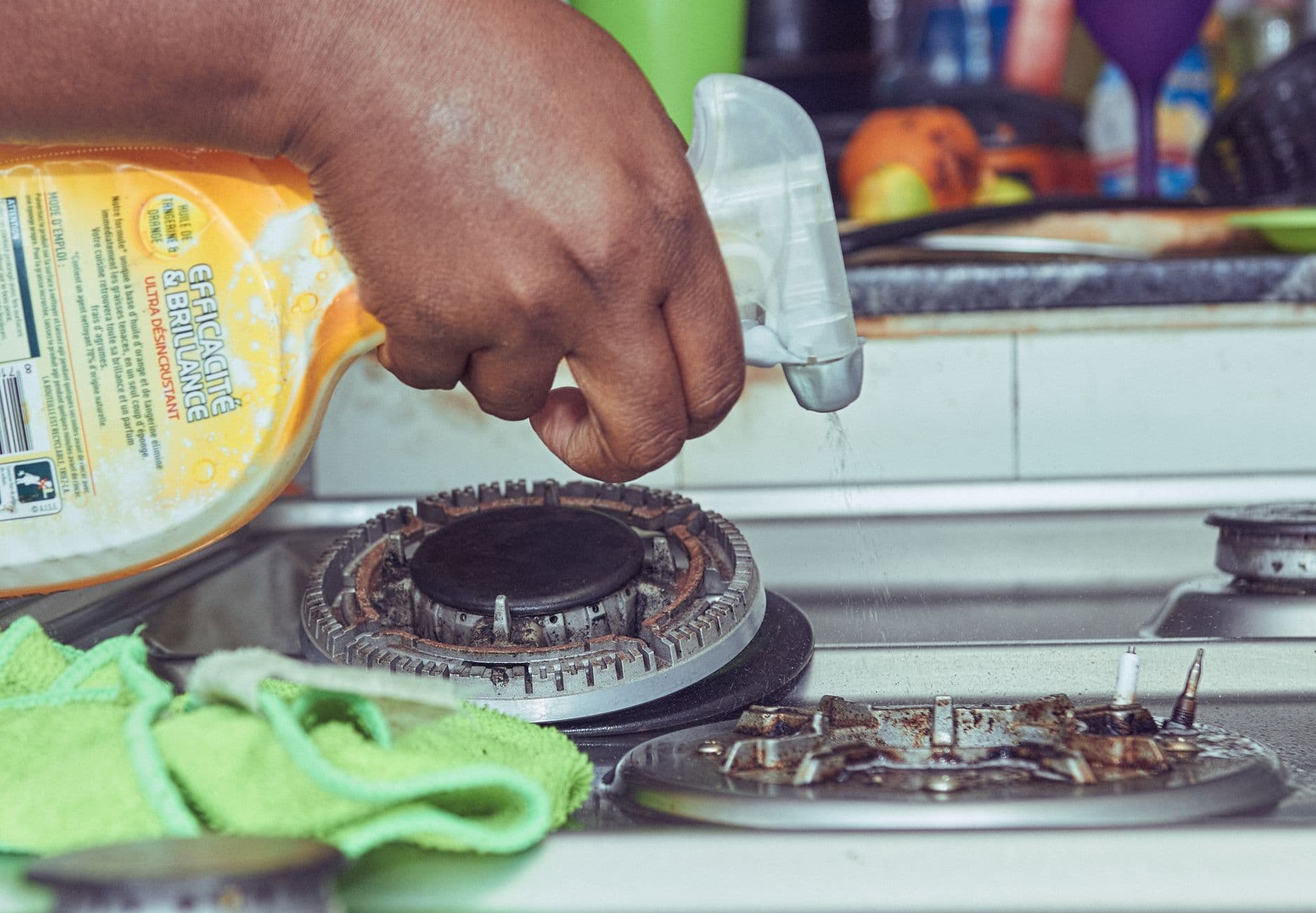
I also tried a lemon oil mixture for cleaning my oven. Mixing it with baking soda created a paste that I left on overnight. The next day, the grime wiped away more easily than usual, and any residual odors were neutralized. The downside was my first attempt with the stovetop; the oil left greasy streaks. I learned to reduce the amount of oil and use a microfiber cloth for a streak-free finish. Overall, the lemon oil was a hit in the kitchen, especially for cutting through grease on the range hood. Additionally, the cost was reasonable—all ingredients together cost around $2.50 per batch, which lasted a week.
Lavender Oil for a Calm Bathroom Cleaning
Next, I moved to the bathroom, where I experimented with lavender essential oil known for its calming effects. I mixed 10 drops of lavender oil with a cup of baking soda to use as a scrub for the bathtub and sinks. This combination was surprisingly effective at removing soap scum, leaving a faint, soothing lavender scent behind. I also tried adding lavender oil to my mop water for the bathroom floor. Not only did it clean well, but the calming aroma lingered for hours, turning bathroom cleaning into a surprisingly pleasant task.
For the toilet, I added a few drops of lavender oil into the toilet bowl cleaner. It made cleaning more pleasant, though I found I needed to repeat this process every couple of days to maintain the aroma. Cost-wise, a small 15ml bottle of lavender oil was around $12, but considering I only used 10 drops per clean, it was an affordable addition. However, my attempt to use lavender oil on the mirrors failed. It left them streaky, and I had to resort to my usual glass cleaner. Lesson learned: essential oils and glass don’t always mix. For those looking to experiment, I recommend sticking to areas where the essential oils can soak into materials rather than sit on the surface.
Comparing Essential Oils with Traditional Cleaners
To evaluate the effectiveness of essential oils against traditional cleaners, I compared several factors, such as scent, cost, and cleaning efficiency. Here's how they stacked up:
| Aspect | Essential Oils | Traditional Cleaners |
|---|---|---|
| Scent | Natural, pleasant | Often chemical, harsh |
| Cost per use | $0.50 per clean | $0.30 per clean |
| Cleaning efficiency | Moderate | High |
Practical Tips for Using Essential Oils in Cleaning
Here are some tips from my experience to help you get the most out of essential oils in your cleaning routine:
- Use distilled water when mixing homemade cleaners to prevent hard water stains.
- Start with fewer drops of essential oil and add more if needed to avoid overpowering scents.
- Combine oils like tea tree and eucalyptus for added antimicrobial benefits.
- Test any new mixture on a small, inconspicuous area before widespread use.
- Keep a spray bottle of your favorite essential oil blend handy for quick touch-ups.
- Consider the room size when applying essential oils; smaller rooms may require less oil to avoid overpowering the senses.
- Store essential oil mixtures in dark, cool places to preserve their effectiveness.
FAQs on Cleaning with Essential Oils
Q: Can essential oils disinfect surfaces?
Essential oils like tea tree and eucalyptus have antibacterial properties, but they're not a replacement for disinfectants if you're dealing with germs.
Q: Are essential oils safe on all surfaces?
Always test on a small area first, as some oils can damage certain materials like varnished wood or electronic screens.
Q: Do essential oils leave residue?
If used in large amounts, they might. Mixing them with a carrier like vinegar or baking soda can help prevent this.
Q: What’s the shelf life of DIY cleaners with essential oils?
Most mixtures can last up to a month if stored in a cool, dark place. Shake well before each use. Make smaller batches more frequently to ensure maximum potency.
EditorialOur Take
In my experience, essential oils brought a delightful, natural fragrance to my home cleaning routine. While they didn't always outperform traditional cleaners in terms of raw cleaning power, the added benefits of a pleasant scent and fewer chemicals in the air were worth it for me. I'd recommend essential oils for those who are looking for an eco-friendly, aromatic touch to their cleaning but perhaps not as the sole cleaning agent for heavy-duty tasks. If you're sensitive to strong chemical smells and enjoy customizing your cleaning experience, essential oils might be a great addition to your routine. For heavy-duty dirt and grime, I’d still reach for traditional cleaners but follow up with an essential oil mix for a final touch.
Published on .
Share now!

Emma Carter
Cleaning Editor
Emma Carter leads Dailynib's cleaning coverage. She spends her weekends trying different cleaning methods around her own apartment and writing up what genuinely works versus what just sounds good online. Emma is happiest when a five-minute trick replaces an hour of scrubbing. Emma uses AI tools to research, draft, and help keep these articles accurate.
More from Emma →The information on this site is of a general nature only and is not intended to address the specific circumstances of any particular individual or entity. It is not intended or implied to be a substitute for professional advice.
Get our best tips in your inbox
A short, practical email now and then. No spam, and you can unsubscribe anytime.