Published on:
4 min read
By Emma Carter · Cleaning Editor
Comparing Popular Floor Mopping Systems: Which One is Best?
I tested spin and spray mops to see which one truly leaves floors spotless and is worth the money. Here’s what I discovered after hours of mopping my kitchen, bathroom, and living room floors.

The Mopping Dilemma: Spin Mop or Spray Mop?
With two active kids and a shedding dog, my floors are always in need of cleaning. Overwhelmed by the options, I decided to pit the spin mop against the spray mop to find out which delivers a better clean and value. I tested both in different areas of my home, from sticky kitchen tiles to dusty hardwood floors. In this article, I'll share my findings and hopefully save you time and effort in your cleaning routine. Each mop had its strengths and weaknesses, and I navigated the challenges of using each type, focusing on how well they cleaned and how easy they were to use.
Spin Mop: The Heavy Lifter
The spin mop I used came with a bucket and wringing mechanism, priced around $30. Setting it up was straightforward, but it took me about 15 minutes to fill the bucket with hot water and cleaning solution. On my kitchen floor, stained with spaghetti sauce and muddy paw prints, the spin mop performed admirably. The mop head covered a lot of ground quickly, and I appreciated the foot pedal wringer, which left the mop damp but not dripping. However, maneuverability was a challenge; it struggled with tight corners and under the cabinets, requiring me to stoop and stretch more than I'd like.
Cleaning large areas like the kitchen was efficient, reducing the time I usually spend with a traditional mop and bucket. The spin mop's microfiber head effectively picked up dust and debris without scattering it. However, the rinsing process was a bit cumbersome. The bucket required regular emptying and refilling, especially after tackling particularly dirty spots. Despite these challenges, the spin mop's ability to handle heavy-duty messes made it a valuable tool in my cleaning arsenal.
Spray Mop: Quick and Convenient
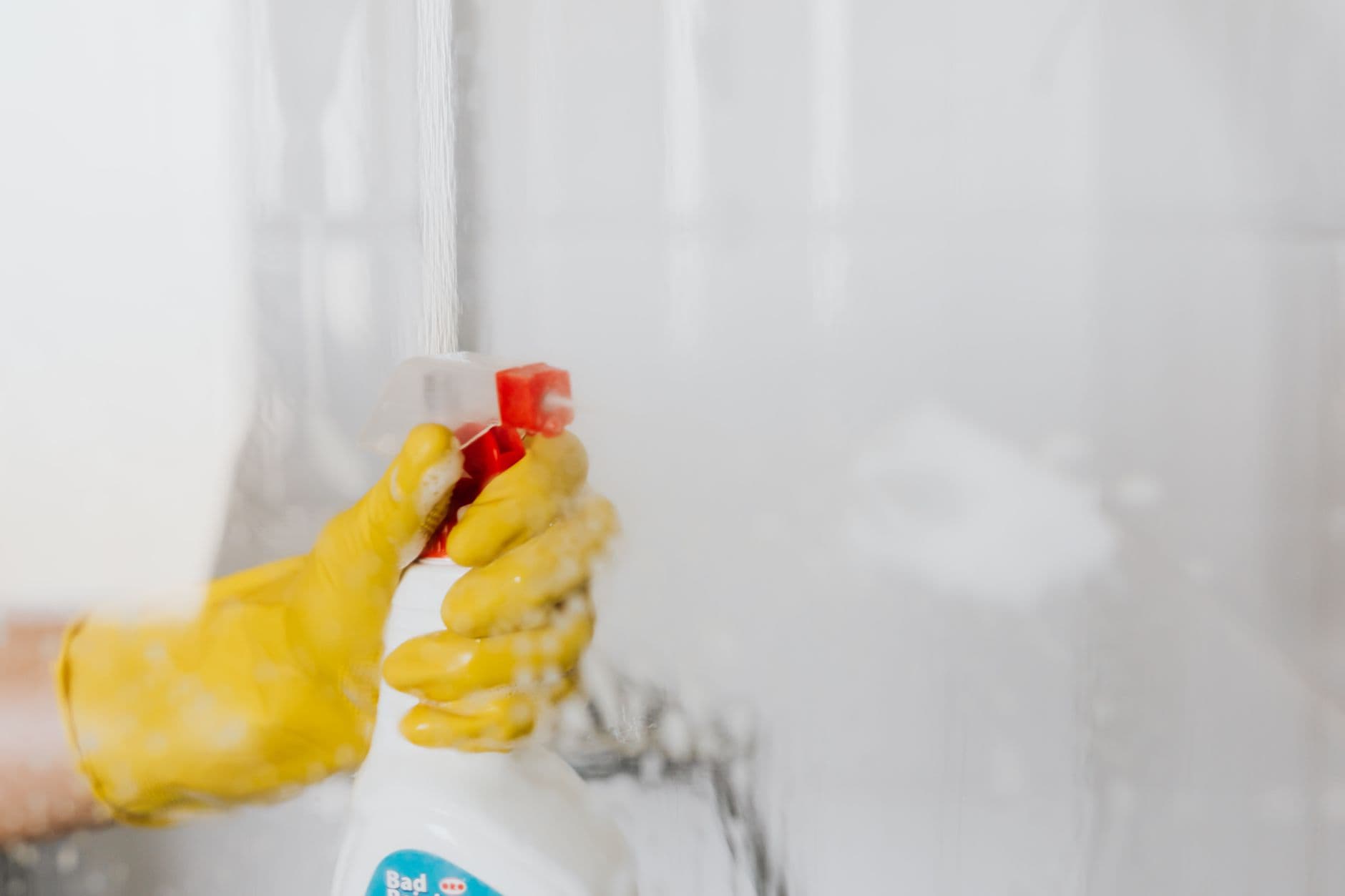
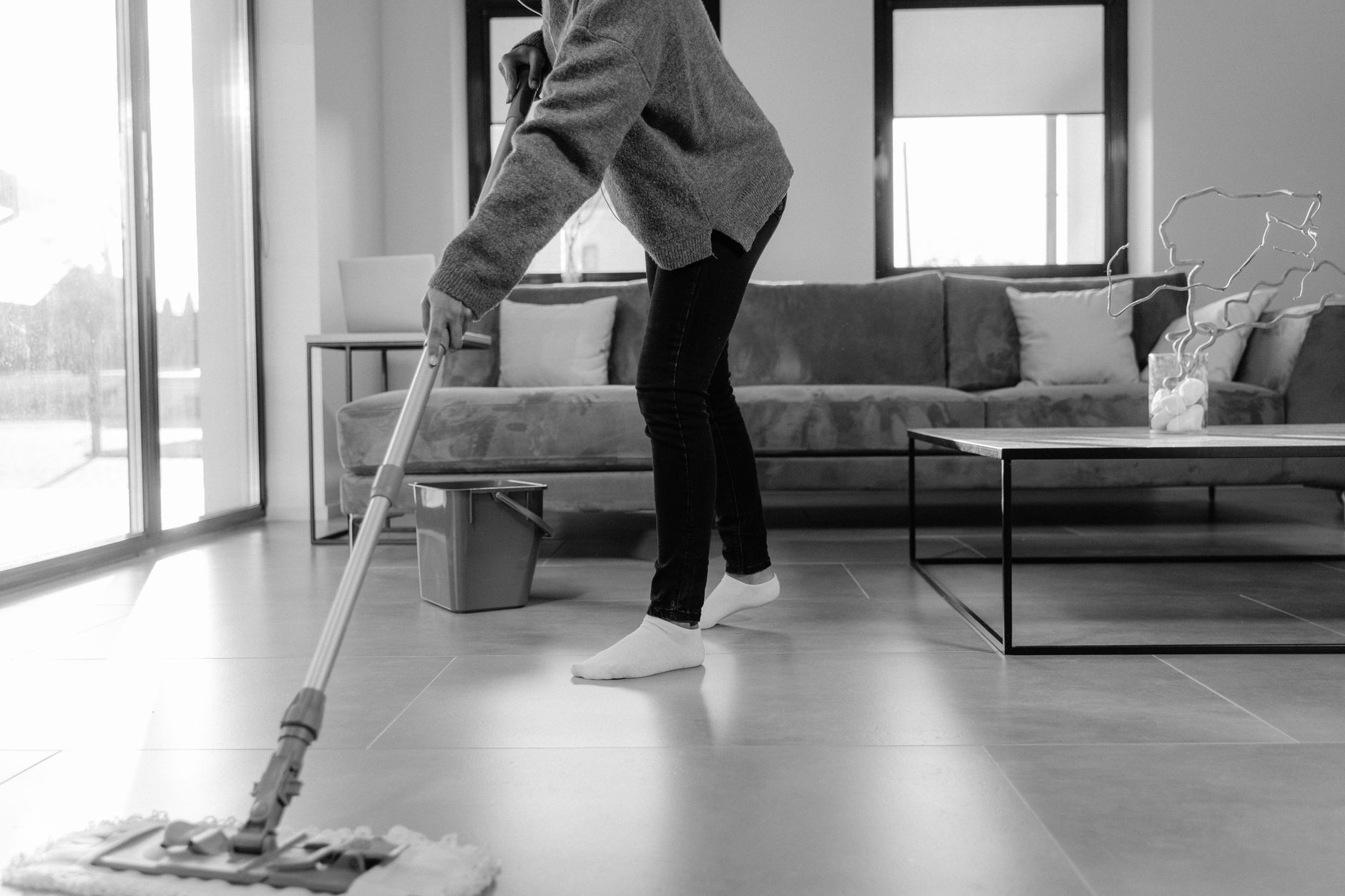
Switching to the spray mop, which cost about $25, setup was a breeze. I filled its bottle with a diluted vinegar solution in less than five minutes. It excelled on my living room hardwood, where I tested it after the kids' snack time. The spray mop's slim design allowed effortless access under furniture and in corners. However, its effectiveness waned on tougher kitchen messes. Multiple passes were needed on sticky spots, and the cleaning pad saturated quickly, reducing its efficiency. Overall, it provided a fast clean but lacked the power for heavy-duty jobs.
In the bathroom, the spray mop was perfect for regular maintenance cleans. Its lightweight nature made it easy to use daily, ensuring that water spots and light grime were quickly dealt with. The convenience of not needing a bucket was a huge plus, especially for quick touch-ups before guests arrived. The downside was the frequent need to wash the cleaning pads, which could add up if not managed well. The process was simple enough, though, as most pads are machine washable and dried quickly.
Spin Mop vs. Spray Mop: A Direct Comparison
To objectively compare these mops, I considered three key criteria: cleaning power, ease of use, and cost-effectiveness. Here’s how they stack up:
| Criteria | Spin Mop | Spray Mop |
|---|---|---|
| Cleaning Power | High for tough stains | Moderate, best for light messes |
| Ease of Use | Challenging in tight spaces | Excellent for maneuverability |
| Cost-effectiveness | Durable, long-lasting heads | Frequent pad replacements needed |
Practical Tips for Better Mopping
Based on my trials, here are some tips to optimize each system’s performance:
- For the spin mop, use hot water and clean the mop head regularly to maintain its effectiveness.
- With the spray mop, pre-treat stubborn spots with a dedicated cleaner and let it sit for a minute.
- Always mop from the farthest corner of the room towards the exit to avoid stepping on wet areas.
- When using a spray mop, keep extra pads on hand to swap out when they become too saturated.
- For both mops, ensure that any cleaning solution used is appropriate for your floor type to avoid damage.
- After mopping, ventilate the room to allow the floor to dry quickly, preventing any potential water damage.
Q&A: Common Mopping Questions
Q: Are spin mops better for large areas?
Spin mops can be more efficient on large surfaces due to their wider coverage per swipe, which reduces the time needed to clean.
Q: Do spray mops work on all floor types?
Yes, but ensure the cleaning solution is suitable for your specific flooring material to prevent damage. Avoid harsh chemicals on delicate surfaces like hardwood.
Q: How often should I change the mop head or pad?
For spin mops, change the head every 3-6 months depending on usage. For spray mops, replace the pad every 1-2 months, or sooner if used frequently on dirty floors.
Q: Can I use homemade cleaning solutions?
Absolutely, just ensure they are safe for your flooring type. Vinegar solutions are popular, but avoid them on waxed floors to maintain the finish.
EditorialOur Take
If you’re dealing with regular heavy-duty messes or large areas, the spin mop is your best bet for a thorough clean. However, if speed and ease of use are your priorities, especially in a smaller space or for quick touch-ups, the spray mop is a convenient option. Personally, I prefer the spin mop for its cleaning power on my kitchen and bathroom floors, but the spray mop is unbeatable for those quick living room clean-ups. Each mop serves its purpose well, but matching the tool to the task is essential for optimal results. Choose based on your specific needs and cleaning habits.
Published on .
Share now!

Emma Carter
Cleaning Editor
Emma Carter leads Dailynib's cleaning coverage. She spends her weekends trying different cleaning methods around her own apartment and writing up what genuinely works versus what just sounds good online. Emma is happiest when a five-minute trick replaces an hour of scrubbing. Emma uses AI tools to research, draft, and help keep these articles accurate.
More from Emma →The information on this site is of a general nature only and is not intended to address the specific circumstances of any particular individual or entity. It is not intended or implied to be a substitute for professional advice.
Get our best tips in your inbox
A short, practical email now and then. No spam, and you can unsubscribe anytime.