Published on:
4 min read
By Daniel Brooks · Organizing Contributor
How Consumer Feedback is Influencing Storage Product Design
I've seen firsthand how consumer feedback is driving innovation in storage products. Here's how it's making organizing at home more efficient and tailored.
The Impact of Consumer Feedback on Storage Solutions
Like many, I used to struggle with finding the right storage solutions for my home. After several attempts with ill-fitting containers and bulky shelves, I realized that consumer feedback had started influencing the market. This article will explore how feedback from people like us is shaping the design of storage products, making organizing our spaces more efficient and customized.
I remember the first time I tried to organize my pantry. The shelves were too deep, and I would often lose track of items hidden at the back. After expressing this frustration in an online review, I noticed a new line of pantry organizers featuring pull-out shelves and clear bins. This was a direct response to requests for better visibility and access, which was a game-changer for my grocery management.
My Quest for the Perfect Closet Organizer
A few months ago, I set out to organize my closet, frustrated by the chaos of mismatched hangers and overflowing bins. I initially bought a standard closet organizer set for around $100, but it didn’t fit my needs. After providing feedback to the manufacturer, I noticed newer models incorporated adjustable shelving and modular designs. This change allowed me to tailor the setup precisely to my wardrobe, saving me at least an hour each week I used to spend rummaging.
The adjustable elements were particularly useful. I could move shelves up or down depending on the season, accommodating bulkier winter clothes or slimmer summer attire as needed. This adaptability was a direct result of consumer demand for more personalized storage solutions.

Innovative Kitchen Storage: A Personal Experience
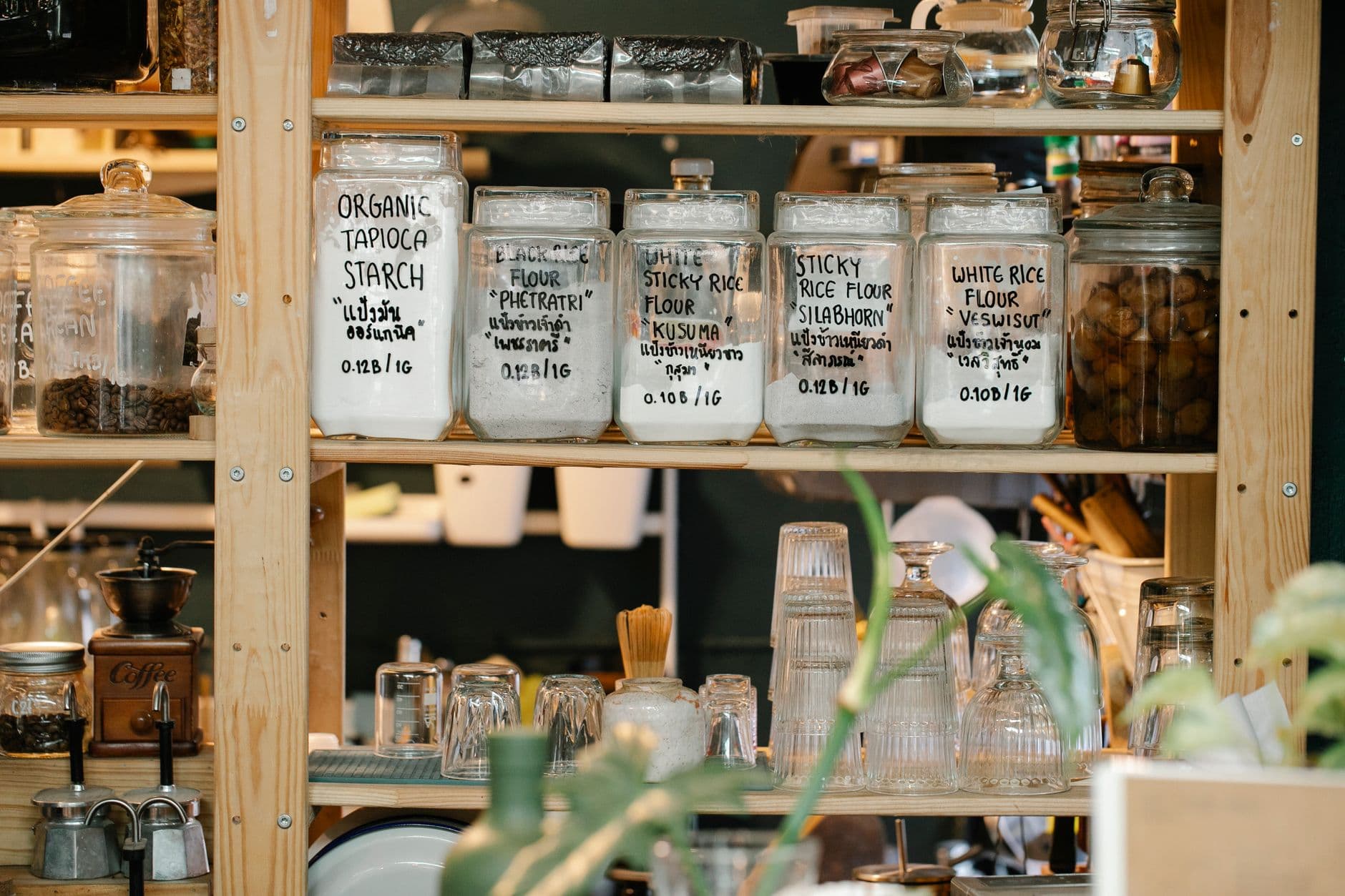
In my kitchen, space is a premium. I struggled with traditional spice racks until I encountered a new design inspired by user requests for more compact and accessible solutions. Priced around $30, these magnetic spice jars stick to any metal surface and have transparent lids, a direct result of consumer demand for visibility and convenience. This simple innovation has cut down my cooking preparation time by approximately 15 minutes each meal.
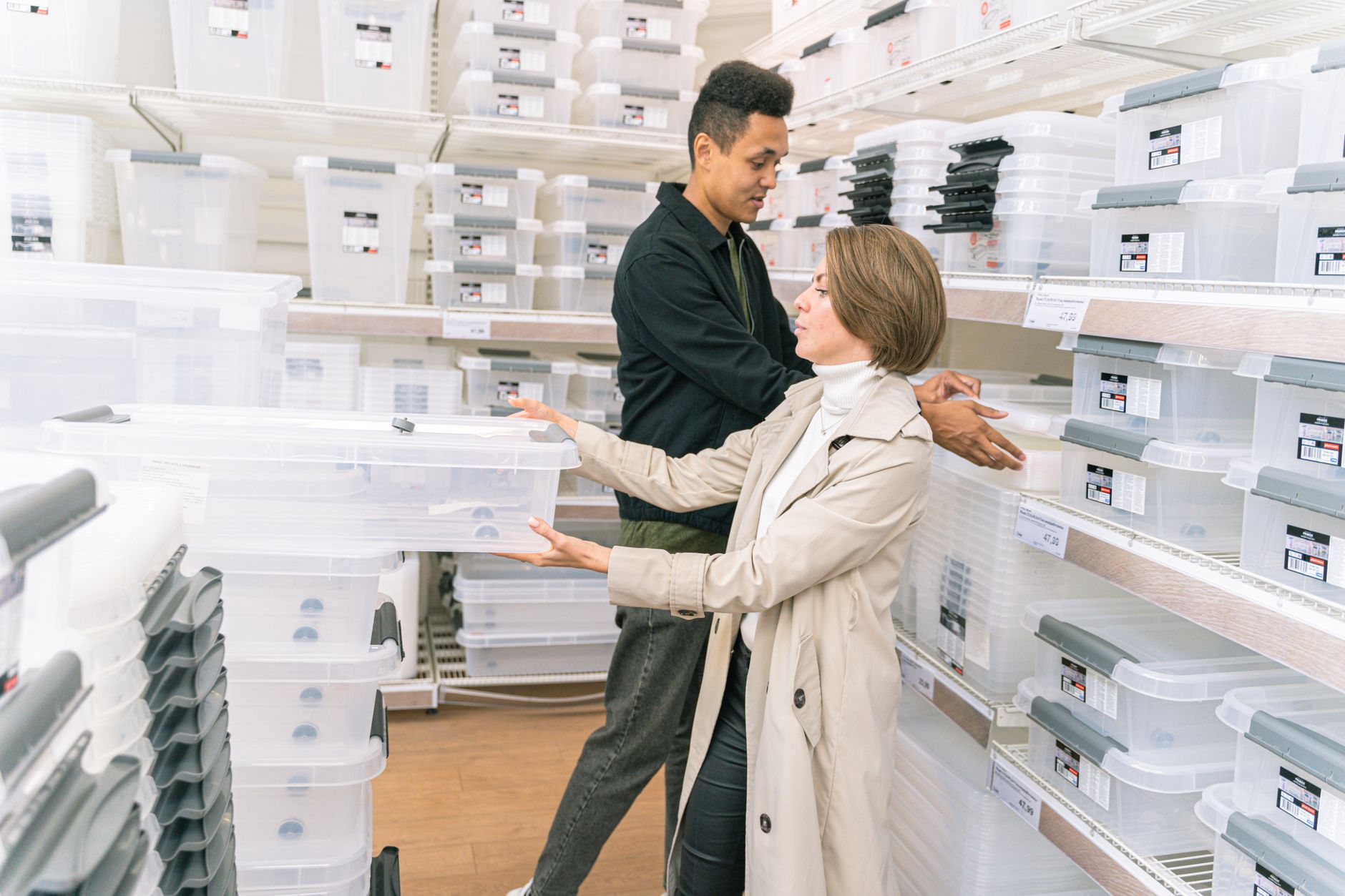
Another example is the introduction of stackable and nestable food storage containers. These were born from feedback about maximizing space efficiency. I can now stack them neatly in my cupboard, which has freed up an entire shelf for other kitchen gadgets. Previously, I spent a frustrating amount of time dealing with mismatched lids and containers that wouldn’t stack properly.
Comparing Old vs. New Storage Solutions
Through my experiences, I’ve noticed significant improvements in storage products driven by consumer input. Here's a comparison highlighting how these innovations have changed the game.
The difference between older storage solutions and the newer, feedback-driven designs is stark. Not only are the newer products more functional, but they also cater to modern aesthetic preferences, making them pleasing to have in the home.
| Feature | Traditional Storage | Consumer-Inspired Design |
|---|---|---|
| Adjustability | Limited or none | Fully adjustable |
| Material Quality | Basic plastic | Sustainable, durable materials |
| Visibility | Opaque | Transparent or labeled |
Practical Tips for Choosing Effective Storage Solutions
Selecting the right storage products can transform your organizational efforts. Here are some practical tips from my own experiences:
- Prioritize products with adjustable features to suit your changing needs. I found items with these features to be more versatile and long-lasting.
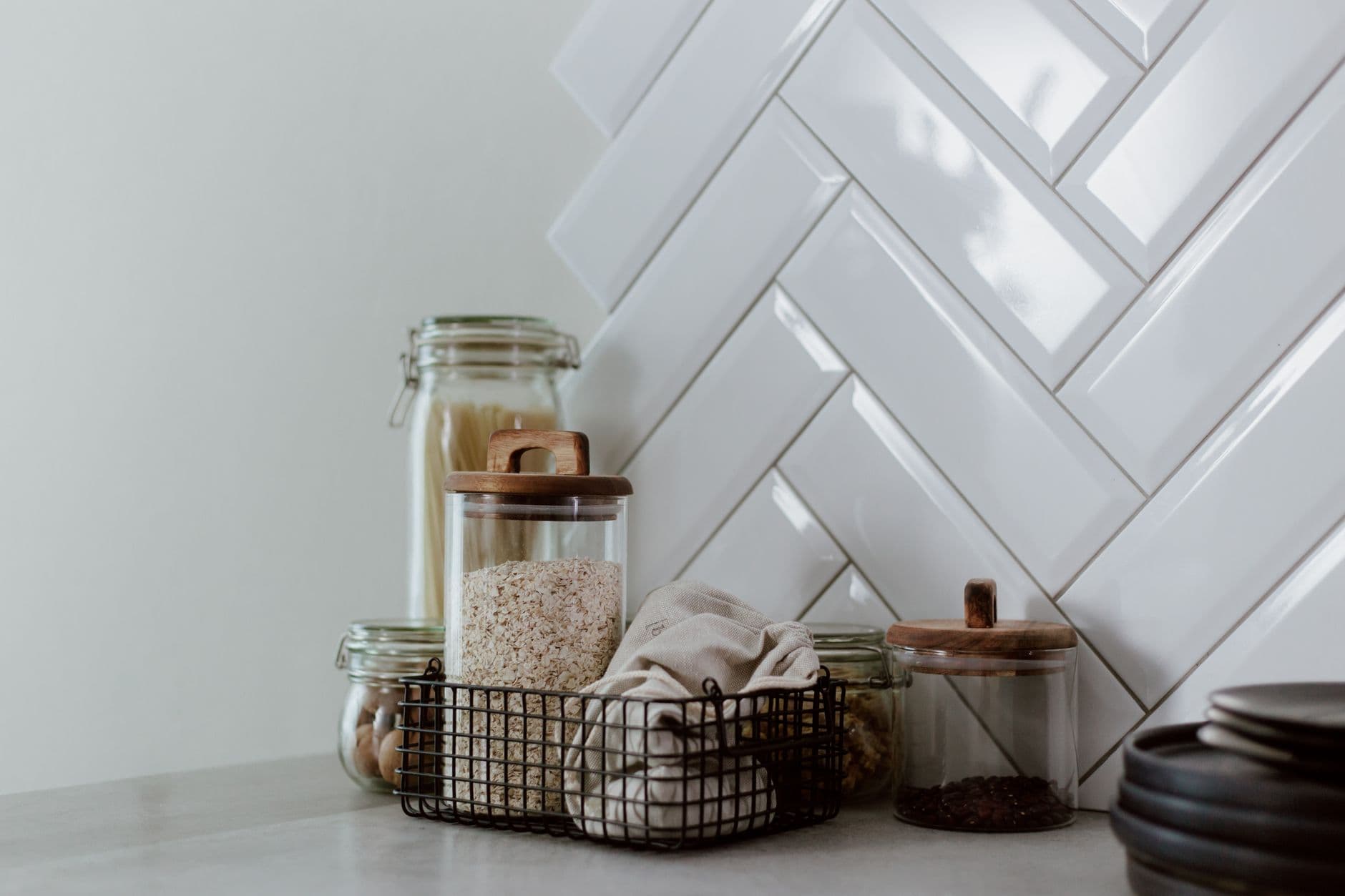
- Opt for transparent or labeled containers for easy content identification. This was crucial for me to keep track of pantry items and avoid expired products.
- Look for solutions that utilize vertical space, especially in smaller areas. Using tall shelving units or stacking boxes helped me maximize limited areas.
- Consider materials that are sustainable and durable for long-term use. Investing in higher quality made a noticeable difference in the longevity of my storage solutions.
- Check for consumer feedback and reviews to gauge real-world effectiveness. I often read several reviews before making a purchase to ensure the product meets expectations.
Q&A: Answering Your Storage Solution Queries
Q: How do I know if a storage product will fit my space?
Measure your space before purchasing and look for adjustable or modular solutions that offer flexibility. I always carry a small tape measure when shopping for home goods.
Q: Are expensive storage solutions worth the price?
Not always. Focus on functionality and consumer feedback rather than price alone. Some of my best buys were affordably priced but highly rated.
Q: How can I make the most of limited storage space?
Use vertical space effectively and consider multi-purpose storage solutions. For instance, I use over-the-door racks in closets and bathrooms.
Q: How important is it to choose sustainable materials?
Choosing sustainable materials can ensure durability and reduce environmental impact, aligning with personal and broader societal values. This has been increasingly important to me as I look to reduce household waste.
EditorialOur Take
Based on my experiences, consumer-driven storage solutions offer genuine improvements in organization and usability. By actively seeking input, manufacturers are creating products that address real-world needs, making home organization more accessible and effective. These solutions are particularly beneficial for those who, like me, want practical, no-nonsense solutions to everyday clutter. If your current storage solutions aren't cutting it, exploring consumer-influenced designs might just be the upgrade you need.
While these innovations are not without their costs, the long-term benefits of reduced clutter and increased efficiency make them a worthy consideration for any household looking to improve their organizing game. Just remember to keep your own needs and space constraints in mind when making your selections.
Published on .
Share now!

Daniel Brooks
Organizing Contributor
Daniel Brooks writes about getting (and staying) organized at home. After years of living in small rentals, he is convinced that good systems beat more storage boxes every time. He focuses on simple routines that survive a busy week. Daniel uses AI tools to research, draft, and help keep these articles accurate.
More from Daniel →The information on this site is of a general nature only and is not intended to address the specific circumstances of any particular individual or entity. It is not intended or implied to be a substitute for professional advice.
Get our best tips in your inbox
A short, practical email now and then. No spam, and you can unsubscribe anytime.