Published on:
4 min read
By Sophia Bennett · Kitchen & Pantry Writer
Explainer: The Importance of Knife Safety in Kitchens
Understanding basic knife safety has transformed my cooking sessions into enjoyable, injury-free experiences. Here’s how I made it work in my everyday routine.
The Turning Point in My Cooking Journey
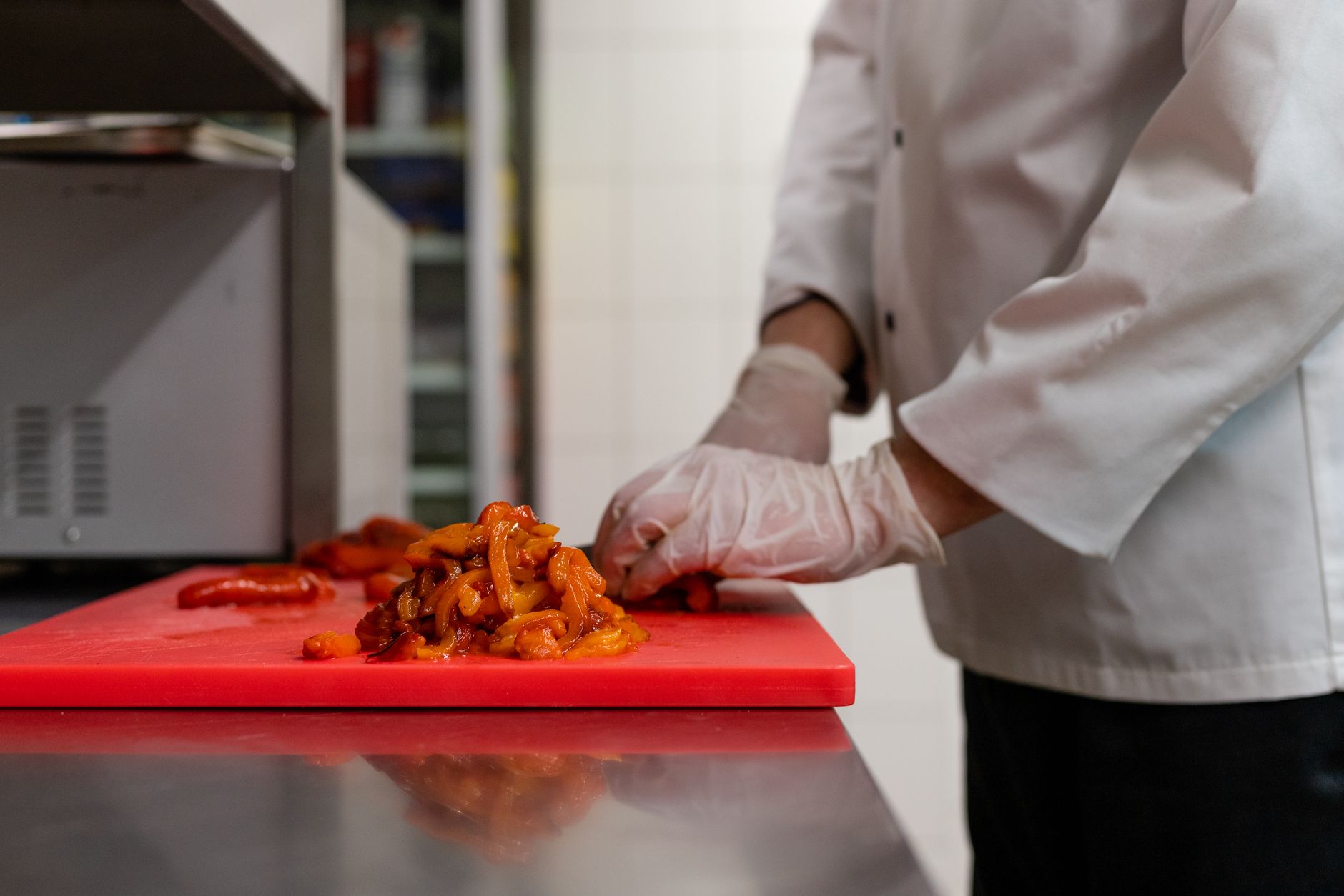
For years, I thought I was a decent cook, until one evening when I found myself with a nasty cut on my finger. I was rushing to prepare dinner after a long day and my lack of attention to knife safety finally caught up with me. This injury was the catalyst that made me dive deep into the importance of knife safety in the kitchen. I wanted to enjoy cooking without the fear of accidents and I realized that with a few simple changes, I could make my kitchen a safer place. This article will take you through the essential knife safety practices that have turned my cooking from a potential hazard to a pleasurable experience. From understanding how to hold a knife correctly to choosing the right tool for each task, these are tips that genuinely improved my time in the kitchen.
How a Simple Technique Changed Everything
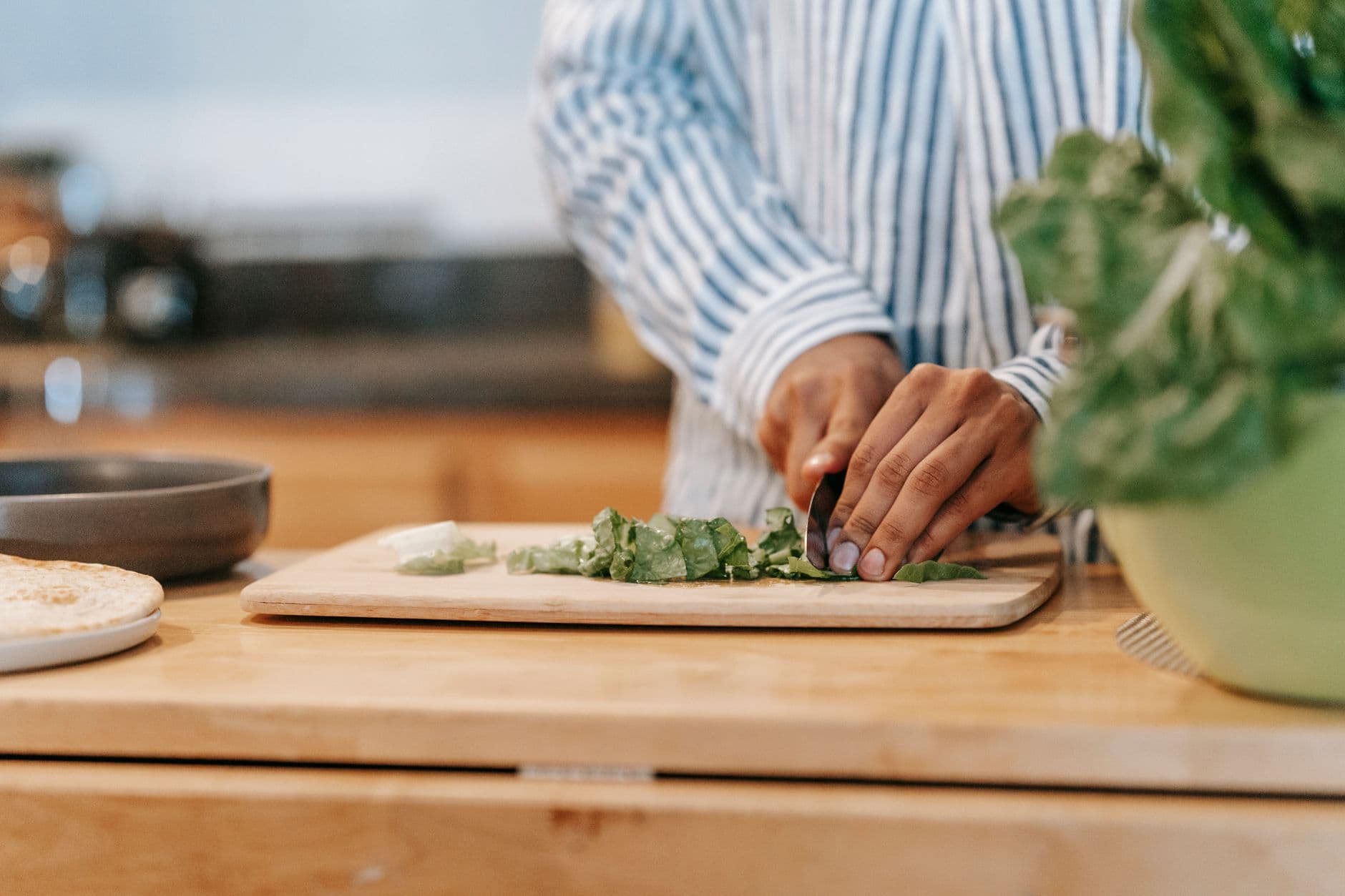
One of the first things I learned was the 'claw grip' technique. This involves tucking your fingertips underneath your knuckles, creating a claw shape with your guiding hand while chopping. Initially, this felt awkward, but after a week of consistent practice, I noticed a significant difference. No more nicked fingertips or uneven cuts. I practiced by dicing onions and carrots, spending about 20 minutes each session, focusing solely on this grip. Over time, this became second nature, and my precision improved drastically. This wasn't just about safety; it was about efficiency too. I found that with better technique, I was slicing through vegetables 30% faster, which made evening meal prep less of a chore.
Choosing the Right Tools: A Game Changer
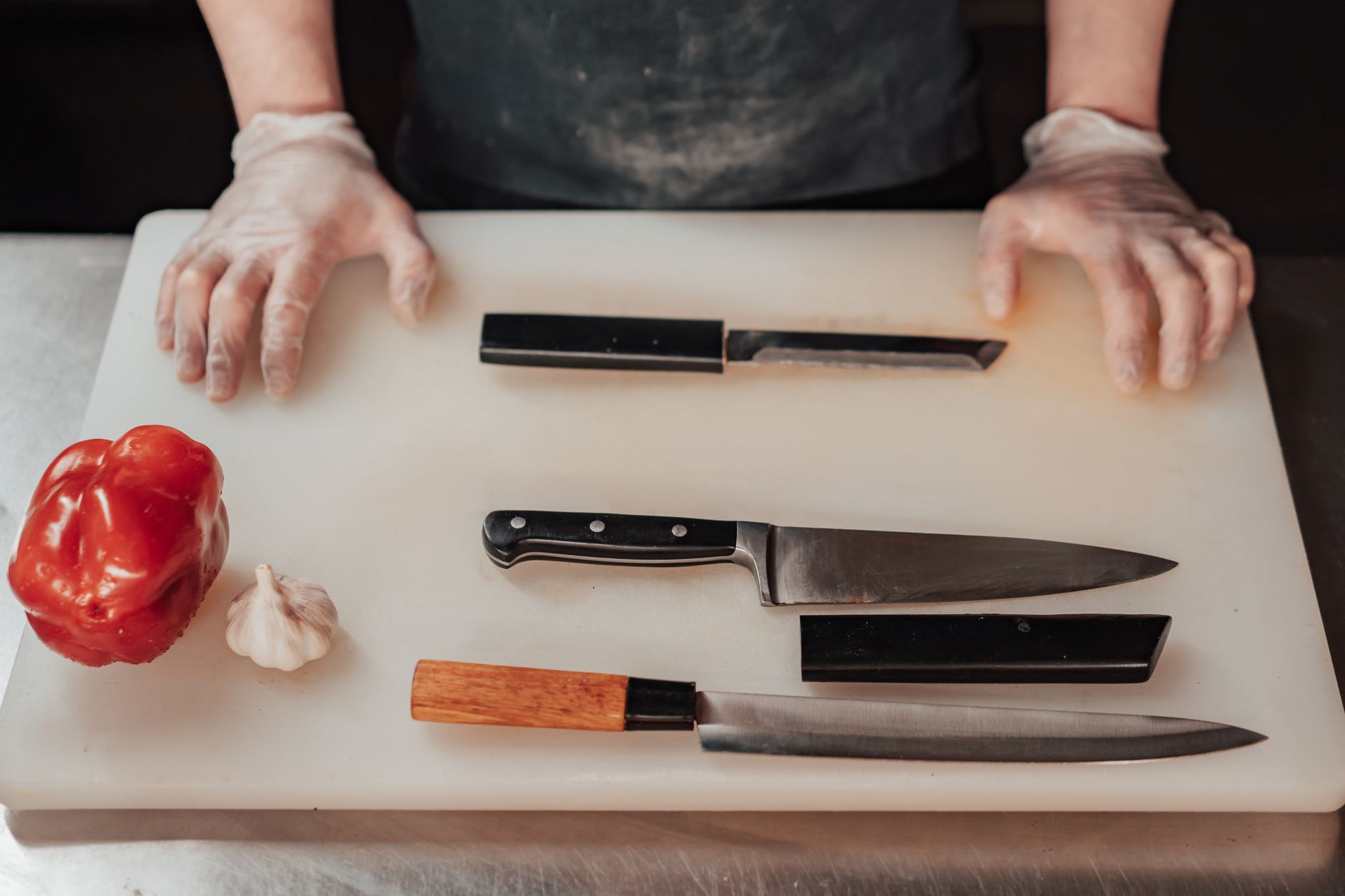
I realized that even with perfect technique, using a dull or inappropriate knife could still lead to accidents. I decided to purchase a quality chef's knife, costing around $80, which seemed like a significant purchase at the time. However, the difference was night and day compared to my old utility knife. With a sharper blade, I could slice through tomatoes effortlessly without squishing them, a task that used to take me twice as long. I also incorporated a simple honing steel for quick maintenance, adding just 5 minutes to my weekly kitchen routine. This small addition to my routine has kept my knives in top shape, and I've reduced the frequency of needing professional sharpening services, saving both time and money in the long run.
Comparing Knife Types for Various Tasks
Each knife has its strengths. The chef's knife is my go-to for most tasks, but the paring knife excels at peeling apples or potatoes where precision is key. The serrated knife, often underestimated, is perfect for slicing through crusty bread or delicate-skinned fruits like tomatoes. Adding a santoku knife to my collection allowed me to mince garlic and herbs with minimal effort. Understanding these nuances has not only improved safety but also optimized my workflow, making meal preparation more enjoyable.
| Knife Type | Best For | Approximate Cost |
|---|---|---|
| Chef's Knife | Chopping, slicing, dicing | $50 - $150 |
| Paring Knife | Peeling, intricate work | $10 - $30 |
| Serrated Knife | Bread, soft fruits | $15 - $40 |
| Santoku Knife | Fine slicing, mincing | $60 - $120 |
Essential Knife Safety Tips I Follow Daily
After a couple of months of trial and error, I developed a list of essential knife safety tips that I now follow religiously:
- Keep your knives sharp to minimize the need for excessive force, which often leads to slips.
- Designate a specific spot in the kitchen for knife storage, such as a magnetic strip or a knife block, to ensure they stay accessible but safe from accidental knocks.
- Always use a cutting board that's stable and large enough for the task at hand to prevent any rocking or slipping.
- Wash knives by hand immediately after use to prevent accidents that can occur when blindly reaching into a sink filled with dishes.
- Make sure to dry knives thoroughly before storing them to maintain their longevity and prevent rust.
- Avoid cutting on surfaces like glass or stone, which can damage the blade; stick to wood or plastic boards.
FAQ: Common Questions About Knife Safety
Q: How often should I sharpen my knives?
It's best to hone your knives weekly and professionally sharpen them every 3-6 months, depending on usage.
Q: What should I do if I cut myself?
Apply pressure to stop the bleeding, clean the wound with soap and water, and apply a bandage. If the cut is deep, seek help from someone who can assist.
Q: Can I use the same knife for all tasks?
While a chef's knife is versatile, using the right knife for specific tasks improves efficiency and safety.
Q: How can I tell if a knife is dull?
A dull knife requires more force and doesn't cut cleanly. If it struggles to slice through a tomato or slips off an onion, it's time to hone or sharpen it.
EditorialOur Take
Focusing on knife safety has undoubtedly made my cooking sessions more enjoyable and injury-free. Whether you're a seasoned cook or just starting, these practices are invaluable. While the initial learning curve may seem daunting, the payoff is worth it. If you're someone who spends a lot of time in the kitchen, these steps will enhance your experience significantly. However, if you only cook sporadically, you might feel less urgency, but incorporating even a few of these tips can make a big difference. Keeping your kitchen safe and efficient is something everyone can benefit from, regardless of how often you cook.
Published on .
Share now!

Sophia Bennett
Kitchen & Pantry Writer
Sophia Bennett covers the kitchen for Dailynib, from pantry organization to keeping produce fresh longer. She cooks most nights and treats her own kitchen as a testing lab for storage and prep tips. Sophia likes practical advice that saves time and reduces food waste. Sophia uses AI tools to research, draft, and help keep these articles accurate.
More from Sophia →The information on this site is of a general nature only and is not intended to address the specific circumstances of any particular individual or entity. It is not intended or implied to be a substitute for professional advice.
Get our best tips in your inbox
A short, practical email now and then. No spam, and you can unsubscribe anytime.