Published on:
5 min read
By Sophia Bennett · Kitchen & Pantry Writer
Explainer: How Induction Cooktops Work
Learning how induction cooktops work has transformed my kitchen experience. It’s made my cooking more efficient and precise, saving me both time and energy.
Getting Started with Induction Cooktops
I remember the first time I decided to try an induction cooktop: I was intrigued by its sleek design and the promise of faster cooking times. My gas stove had been giving me inconsistent results, especially with tasks like simmering delicate sauces that require precise temperature control. This article is a deep dive into how induction cooktops function and how understanding the science behind them can enhance your cooking efficiency and precision.
When I first considered induction cooking, I was skeptical. Could a stovetop without visible flames or glowing coils really deliver the heat I needed? The answer was a resounding yes. As I delved deeper into the technology, I realized that the science behind induction cooktops could revolutionize how I approached cooking. Not only did I want to understand how to use it effectively, but I also wanted to grasp the mechanics to ensure I was getting the most out of my choice.
My First Encounter with Induction
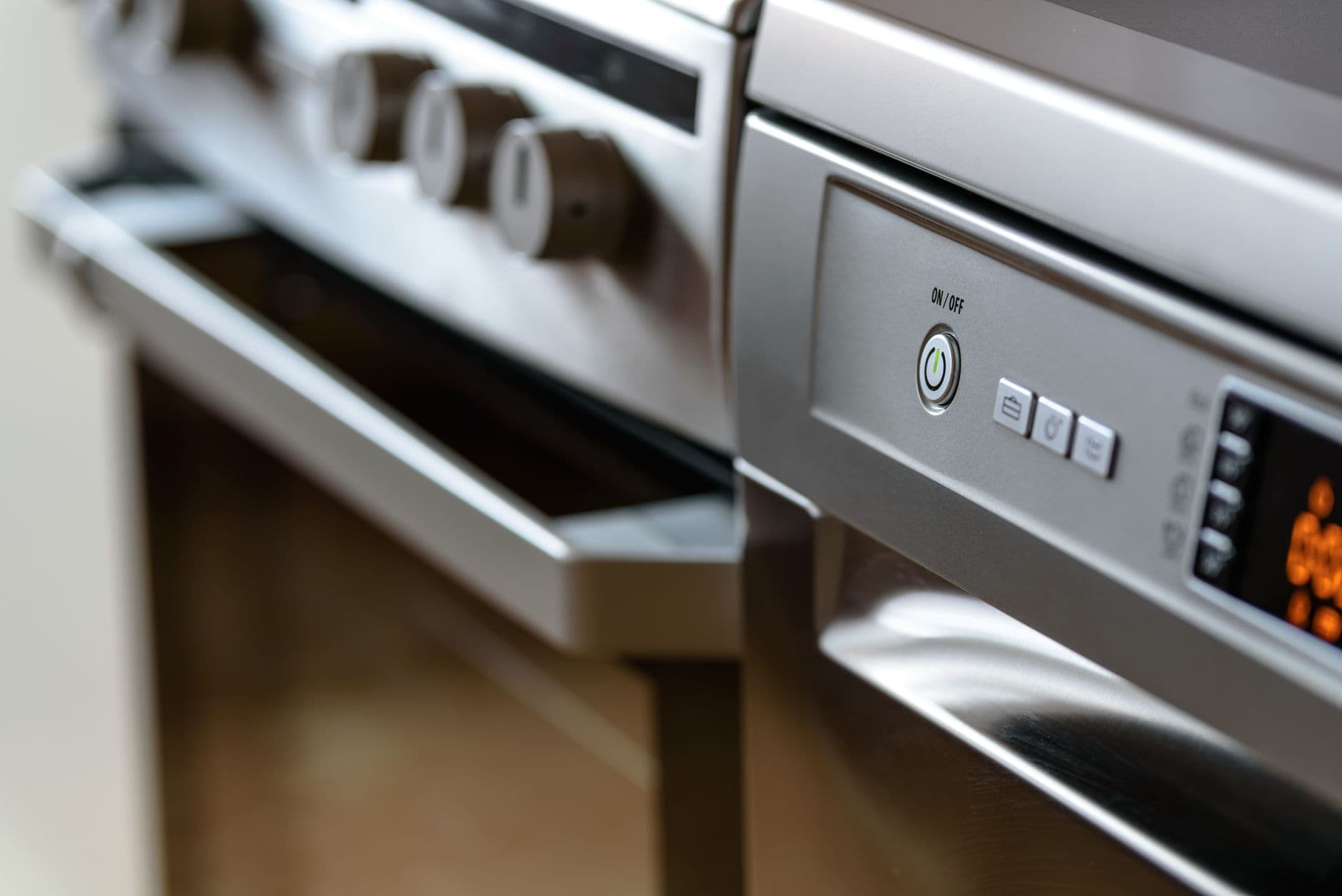
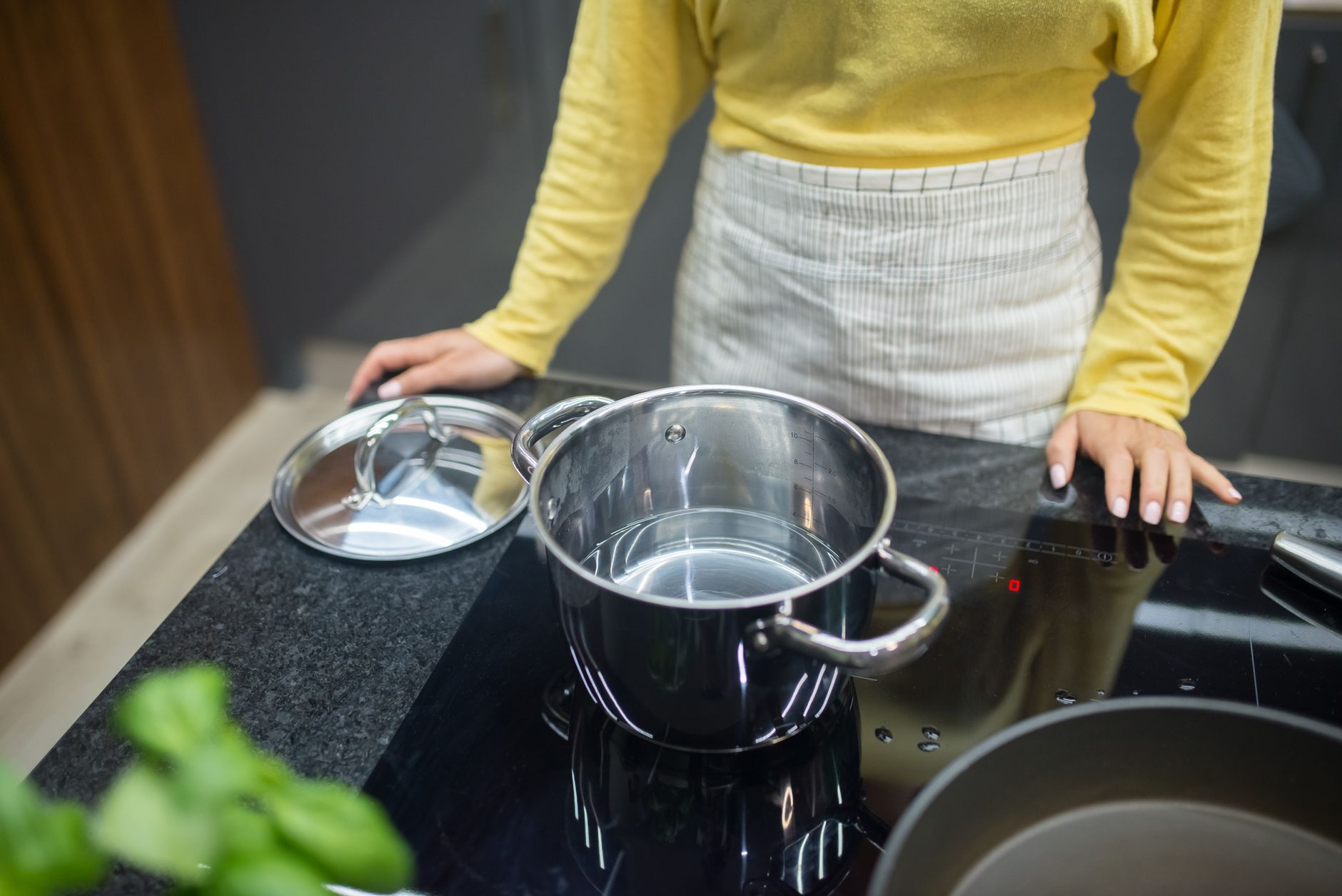
The induction cooktop works by using electromagnetic fields to directly heat pots and pans. My first attempt at using it was to boil water for pasta. I placed a large 5-liter stainless steel pot on the burner and was amazed to see bubbles forming in just over a minute. The speed was impressive—my old gas stove took about six minutes for the same task.
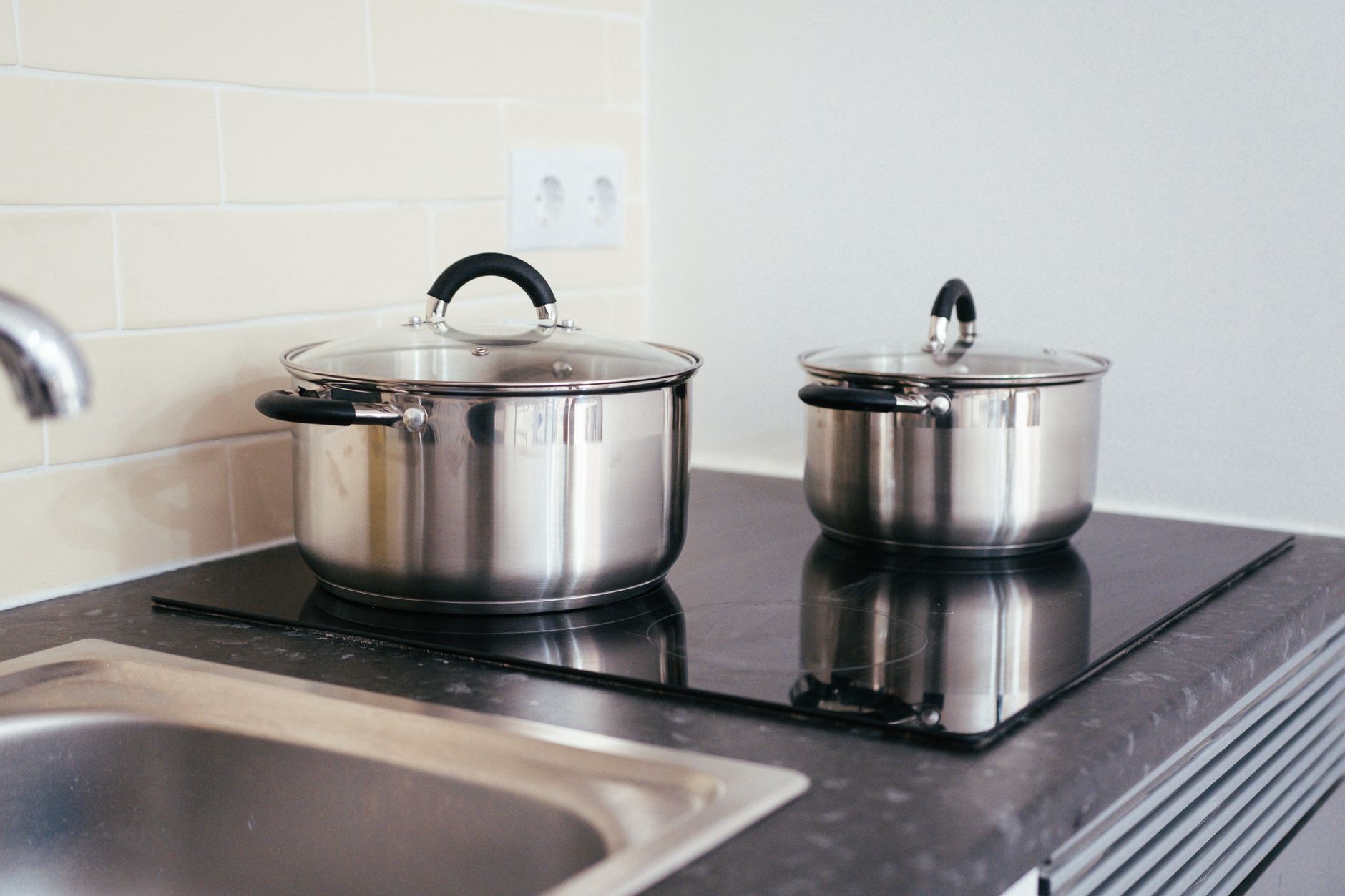
However, my first mistake was using a non-compatible pan. Induction requires magnetic cookware, which I learned the hard way when my favorite ceramic pot refused to heat up. I purchased a set of stainless steel pots and pans for around $250, and it was worth every penny once I experienced the even heating and quick response times.
Getting the hang of induction required a bit of practice. Initially, I found the controls overly sensitive—just brushing the power button could change the settings. But once I adjusted to the touch controls and learned to lock the panel during cooking, these hiccups were ironed out. The precision of induction cooking allowed me to perfect recipes that had always eluded me on my gas stove.
Precision and Efficiency in Cooking
After getting the right cookware, I started appreciating the precise temperature control of induction. When simmering a sauce, I noticed it never scorched, something that often happened with my gas stove. I could hold a perfect simmer at 85°C, something I measured with a digital thermometer.
One evening, I cooked a stir-fry and noticed how quickly the pan reached the right temperature—within seconds rather than minutes. This not only saved time but also ensured my vegetables retained their bright colors and crispness. The responsiveness of the induction cooktop meant I could switch from boiling pasta to cooking eggs with just a minor adjustment in settings, which my previous electric stove couldn't manage without a significant wait.
Induction has also been a boon for energy efficiency. I noticed a slight reduction in my monthly energy bills, about $15 less on average. This was a pleasant surprise, given how frequently I cook at home. The cooktop uses up to 90% of the energy produced, compared to about 70% for gas, which means less waste and faster cooking times.
Gas vs. Electric vs. Induction: A Quick Comparison
When considering upgrading your kitchen appliance, understanding the differences between gas, electric, and induction cooktops is crucial. Here's a quick comparison:
| Feature | Gas | Electric | Induction |
|---|---|---|---|
| Heating Time | Moderate | Slow | Fast |
| Temperature Control | Moderate | Limited | Precise |
| Cookware Compatibility | Any | Any | Magnetic Only |
| Safety | Open Flame | Hot Surface | Cool Surface |
| Energy Efficiency | Moderate | Low | High |
Tips for Induction Cooking Success
Here are some tips I picked up along the way for maximizing your induction cooking experience:
- Ensure your cookware is induction-compatible: Look for a 'magnetic bottom' label or use a magnet to check.
- Start with medium power settings: Induction heats quickly, so start lower to avoid burning or overcooking.
- Clean the cooktop regularly: Spills can harden quickly due to the glass surface, so wipe them promptly.
- Use cookware that matches the burner size: This ensures even heating and reduces energy waste.
- Take advantage of the timer feature: It’s perfect for precision cooking tasks that require exact timing.
Induction Cooktops: Frequently Asked Questions
Q: Can I use any type of pan on an induction cooktop?
No, only pans with a ferrous (magnetic) base will work on an induction cooktop. Stainless steel and cast iron are typically compatible.
Q: Are induction cooktops more energy-efficient than gas stoves?
Yes, they are generally more energy-efficient because they directly heat the cookware instead of the air around it. This translates to quicker cooking times and less wasted energy.
Q: Is induction cooking safe?
Yes, induction cooktops are safe. They remain cool to the touch, reducing burn risks, and automatically shut off when a pan is removed, adding an extra layer of safety.
Q: How do I clean an induction cooktop?
Use a soft cloth and a mild detergent. Avoid abrasive sponges that can scratch the surface. For stubborn spots, a mix of vinegar and baking soda works wonders.
EditorialOur Take
Switching to an induction cooktop has been one of the best decisions for my cooking. It's perfect for anyone who values speed and precision in the kitchen. However, it does require selecting the right cookware and adjusting to a different cooking style. If you're often preparing meals quickly or dealing with precise recipes, an induction cooktop can be a game-changer. For those who love the traditional gas flame, it might be a tough transition, but the benefits in efficiency and safety are definitely worth considering.
For someone who often entertains or cooks large meals, the ability to cook multiple dishes at precise temperatures is invaluable. The upfront cost might be higher than traditional stoves, but the savings in energy and the improvement in cooking results make it a worthy choice in the long run.
Published on .
Share now!

Sophia Bennett
Kitchen & Pantry Writer
Sophia Bennett covers the kitchen for Dailynib, from pantry organization to keeping produce fresh longer. She cooks most nights and treats her own kitchen as a testing lab for storage and prep tips. Sophia likes practical advice that saves time and reduces food waste. Sophia uses AI tools to research, draft, and help keep these articles accurate.
More from Sophia →The information on this site is of a general nature only and is not intended to address the specific circumstances of any particular individual or entity. It is not intended or implied to be a substitute for professional advice.
Get our best tips in your inbox
A short, practical email now and then. No spam, and you can unsubscribe anytime.