Published on:
4 min read
By Emma Carter · Cleaning Editor
Eco-Friendly vs. Traditional Cleaners: Which Really Works?
I put eco-friendly and traditional cleaners to the test in my home to uncover which truly delivers on their cleaning promises. Here's what I discovered tackling stubborn grime and everyday dirt.
Experimenting with Cleaners: My Kitchen Battlefield
In my quest to maintain a clean home without compromising on eco-consciousness, I decided to test whether eco-friendly cleaners could hold their own against traditional ones. My kitchen, with its busy countertops, greasy stove, and occasionally sticky floors, was the perfect testing ground. I wanted to see firsthand if making a greener choice meant sacrificing cleaning power. Over a week, I alternated between eco-friendly and traditional cleaning products to tackle various messes. With every swipe, scrub, and rinse, I kept detailed notes on effectiveness, ease of use, and, of course, the final results. This experiment wasn't just about testing products but understanding how they fit into a busy household routine. By the end of the week, I hoped to know whether my cleaning could be as green as my ideals.
Challenge One: Tackling Grease on the Stove
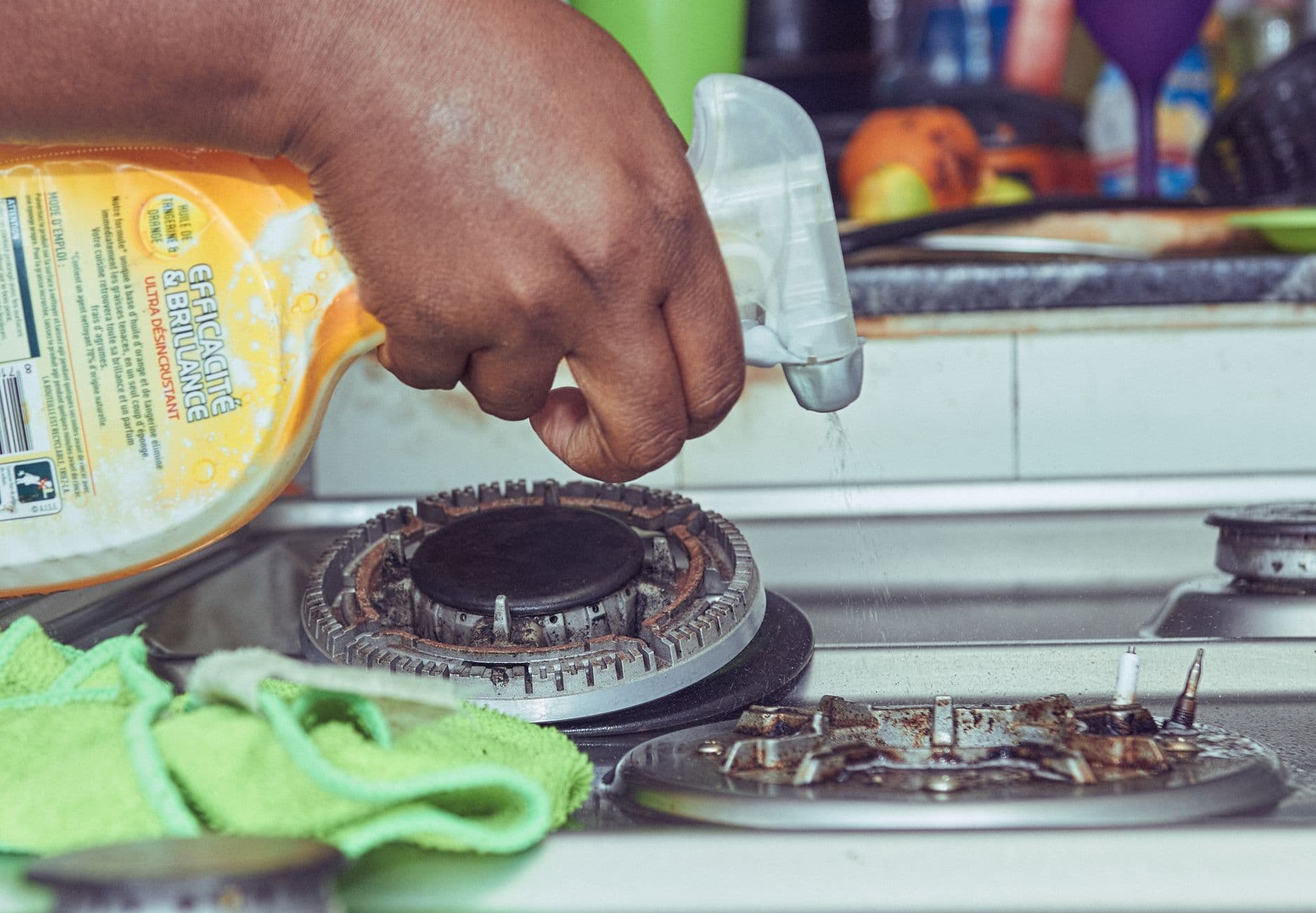
The first test was my grease-coated stovetop after a particularly messy dinner. I reached for a popular eco-friendly cleaner first, which boasted natural ingredients like vinegar and citrus. I sprayed the surface generously and let it sit for about five minutes to break down the grime. Even with vigorous scrubbing using a non-abrasive pad, remnants of grease clung stubbornly. Next up, the traditional cleaner: a well-known brand with a strong chemical scent. After the same wait period and elbow grease, the result was noticeably cleaner, with the greasy residue almost entirely gone. For me, this marked an initial win for the traditional cleaner in terms of sheer power. However, the eco-friendly cleaner left a more pleasant, mild scent in the kitchen, which was a plus, especially considering the time spent cleaning.

Battle Two: The Mystery of the Sticky Floor
For my next test, I tackled the sticky kitchen floor—a common victim of spills and daily foot traffic. I divided the floor into two sections. On one half, I used an eco-friendly floor cleaner diluted in warm water as per the instructions. The other half got a traditional cleaner. After mopping both sides, I waited for them to dry to do a thorough feel-test with my hands and feet. The eco-friendly side felt slightly tacky in areas, whereas the traditional side was uniformly smooth and clean. Surprisingly, the eco-friendly cleaner required a second pass to achieve what the traditional cleaner did in one go. Cost-wise, the eco-friendly option was slightly pricier per use, considering the extra amount needed. Nevertheless, the eco-friendly cleaner offered peace of mind when my pets and kids played on the floor, knowing it was free from harsh chemicals.
Eco-Friendly vs. Traditional Cleaners: A Side-by-Side Look
To make this comparison a bit clearer, I compiled a table summarizing my findings across different cleaning scenarios. This table highlights the difference in effectiveness, scent, and cost, giving a balanced view of each type.
| Scenario | Eco-Friendly Cleaner Result | Traditional Cleaner Result |
|---|---|---|
| Greasy Stove | Moderate effectiveness, some residue | High effectiveness, clean finish |
| Sticky Floor | Required two passes | Clean in one pass |
| Bathroom Tiles | Took longer to remove soap scum | Quicker and more thorough |
| Windows | Streak-free with extra polishing | Streak-free in one go |
| Carpet Stains | Faint residue after drying | No visible residue |
Tips for Making the Most of Your Cleaners
From my tests, I found a few ways to enhance cleaning efficiency regardless of your cleaner choice. These tips not only save time but also enhance the overall cleaning experience:
- Always allow cleaners a few minutes to soak in for tough stains and grime.
- Use microfiber cloths or pads for better absorption and less scrubbing effort.
- Consider a double-clean approach: start with an eco-friendly cleaner for a base clean, and follow up with a traditional cleaner for problem spots.
- Regular maintenance cleaning helps reduce the need for heavy-duty scrubbing.
- Keep windows open for ventilation when using strong-scented traditional cleaners.
- For particularly stubborn spots, a paste of baking soda and water can pre-treat areas before applying any cleaner.
Q&A: Your Eco-Friendly Cleaning Queries Answered
Q: Are eco-friendly cleaners safe for all surfaces?
It's important to read each product label, as some natural ingredients can harm delicate surfaces like marble. Testing a small area first can prevent any mishaps.
Q: Do eco-friendly cleaners kill germs as effectively as traditional ones?
Some eco-friendly cleaners include disinfecting ingredients, but they may not be as potent as traditional chemical disinfectants. For high-touch areas, consider a follow-up with a sanitizer.
Q: Can I make my own eco-friendly cleaner?
Yes, simple recipes with vinegar, baking soda, and essential oils can be effective for light cleaning tasks. They are cost-effective and can be customized with your favorite scents.
Q: How do eco-friendly and traditional cleaners compare in terms of environmental impact?
Eco-friendly cleaners generally have a lower environmental impact due to biodegradable ingredients and recyclable packaging, whereas traditional cleaners often contain harsh chemicals.
EditorialOur Take
After a week of experimenting, it's clear that both cleaner types have their merits. Traditional cleaners excel at tough, greasy, and stubborn messes where immediate results are needed. However, eco-friendly cleaners shine in regular maintenance, offering a safer option for families with young kids or pets. For those with strong environmental considerations, eco-friendly cleaners are a viable option, but be prepared for potentially more frequent applications and slightly higher costs. Personally, I found a hybrid approach—using eco-friendly cleaners for everyday tidying and traditional cleaners for the heavy-duty stuff—works best for my household. This balance allows me to keep my home clean and fresh without compromising on environmental values or cleaning efficiency.
Published on .
Share now!

Emma Carter
Cleaning Editor
Emma Carter leads Dailynib's cleaning coverage. She spends her weekends trying different cleaning methods around her own apartment and writing up what genuinely works versus what just sounds good online. Emma is happiest when a five-minute trick replaces an hour of scrubbing. Emma uses AI tools to research, draft, and help keep these articles accurate.
More from Emma →The information on this site is of a general nature only and is not intended to address the specific circumstances of any particular individual or entity. It is not intended or implied to be a substitute for professional advice.
Get our best tips in your inbox
A short, practical email now and then. No spam, and you can unsubscribe anytime.