Published on:
5 min read
By Daniel Brooks · Organizing Contributor
Drawer Organizers vs. Shelves: What Works Best for Your Home?
I compared drawer organizers and shelves to find the best solution for my cluttered kitchen. Here’s what I discovered about optimizing space efficiently.
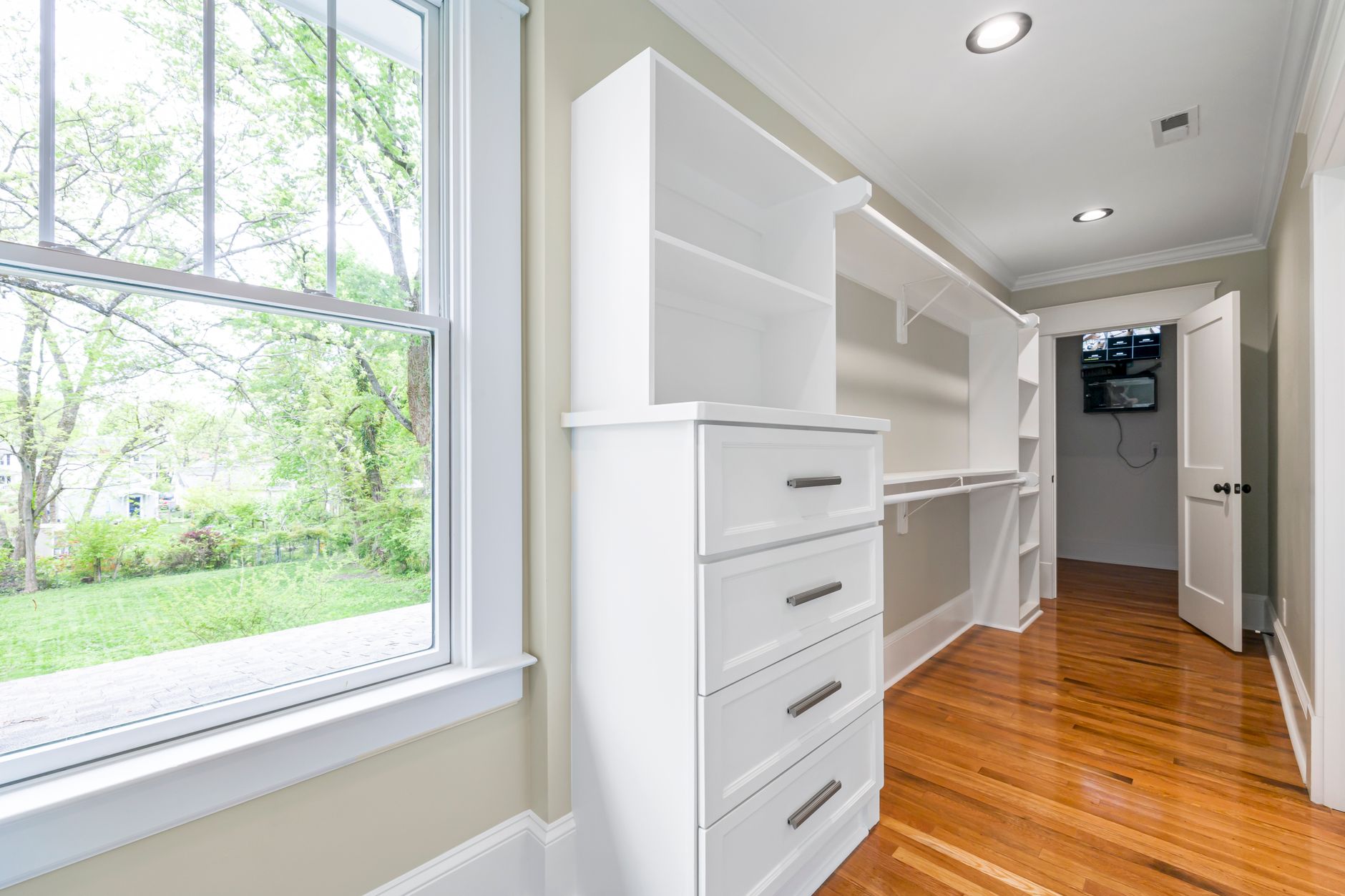
Introduction: Tackling My Kitchen Chaos
My kitchen was a mess of mismatched containers and stray utensils. I was constantly frustrated with my drawer system, where items would disappear into the abyss. That's when I decided to explore whether drawer organizers or shelves would better suit my needs. In this article, I'll share my experience trying both, including what worked, what didn't, and how you can make an informed decision for your home. This journey took me through a series of trials and errors that ultimately led to a more efficient kitchen.
Trying Out Drawer Organizers
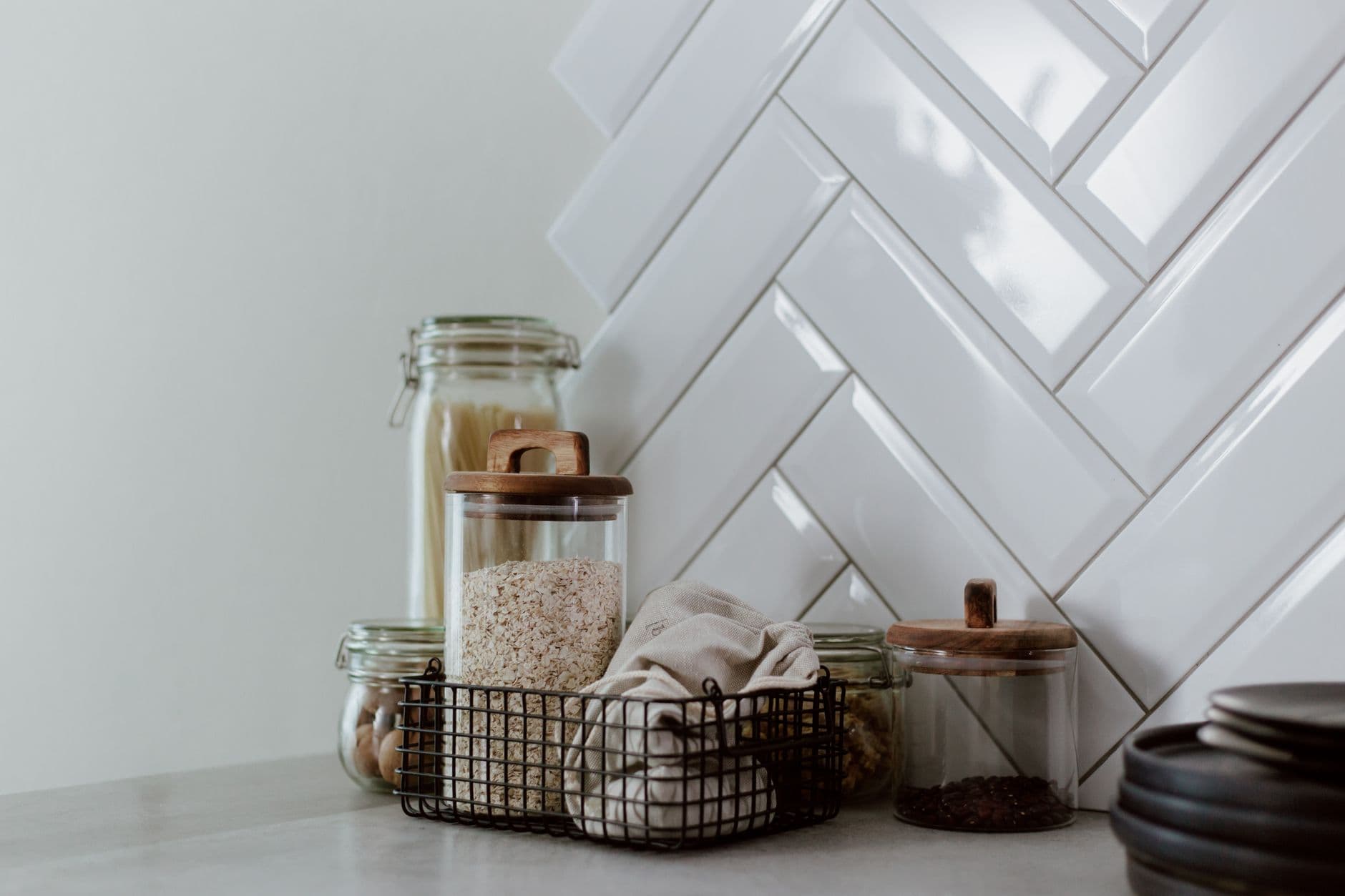
I started with drawer organizers because they promised to keep my cutlery and small kitchen gadgets tidy. I bought a set for $25 from a local store, which included adjustable dividers. Setting them up was straightforward and took about an hour. I sorted utensils by type, and for the first time in ages, I could find my garlic press without a scavenger hunt.
However, I quickly realized the limitations. Items like rolling pins and measuring cups still had no home. Plus, deeper drawers meant I'd often forget what lay beneath the top layer. Despite these challenges, the organizers worked well for smaller items, keeping them from shifting around.
A significant advantage was the ability to customize the size of the compartments. For instance, I was able to create a snug fit for my kitchen scissors while leaving enough space for a small whisk. This customization made the drawers feel more organized than they had ever been. But, the downside was that some items seemed out of place, leading me to constantly rearrange the dividers. Over time, I found that the dividers would sometimes slide out of place, necessitating regular adjustments to maintain the order.
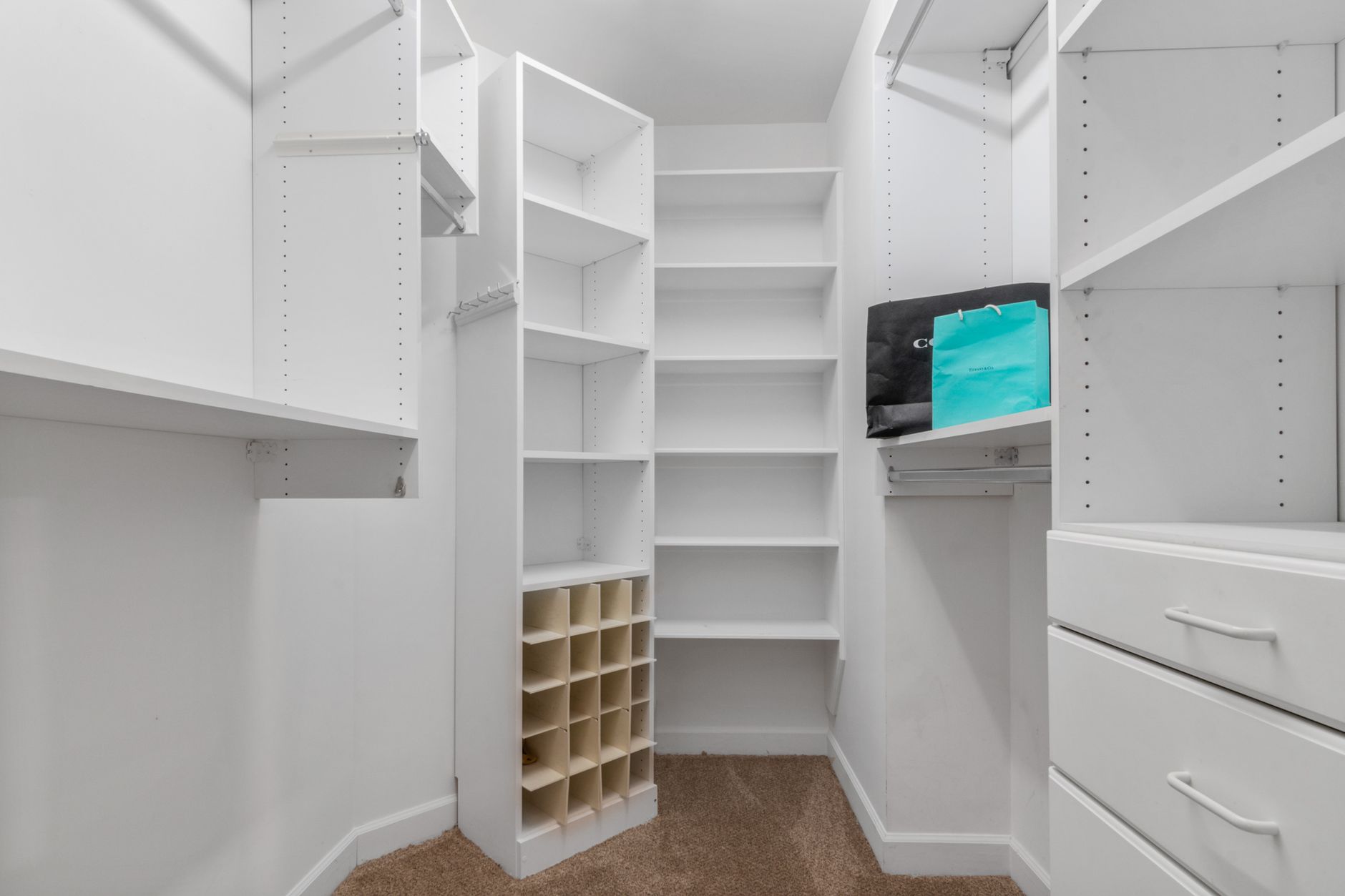
Experimenting with Shelves
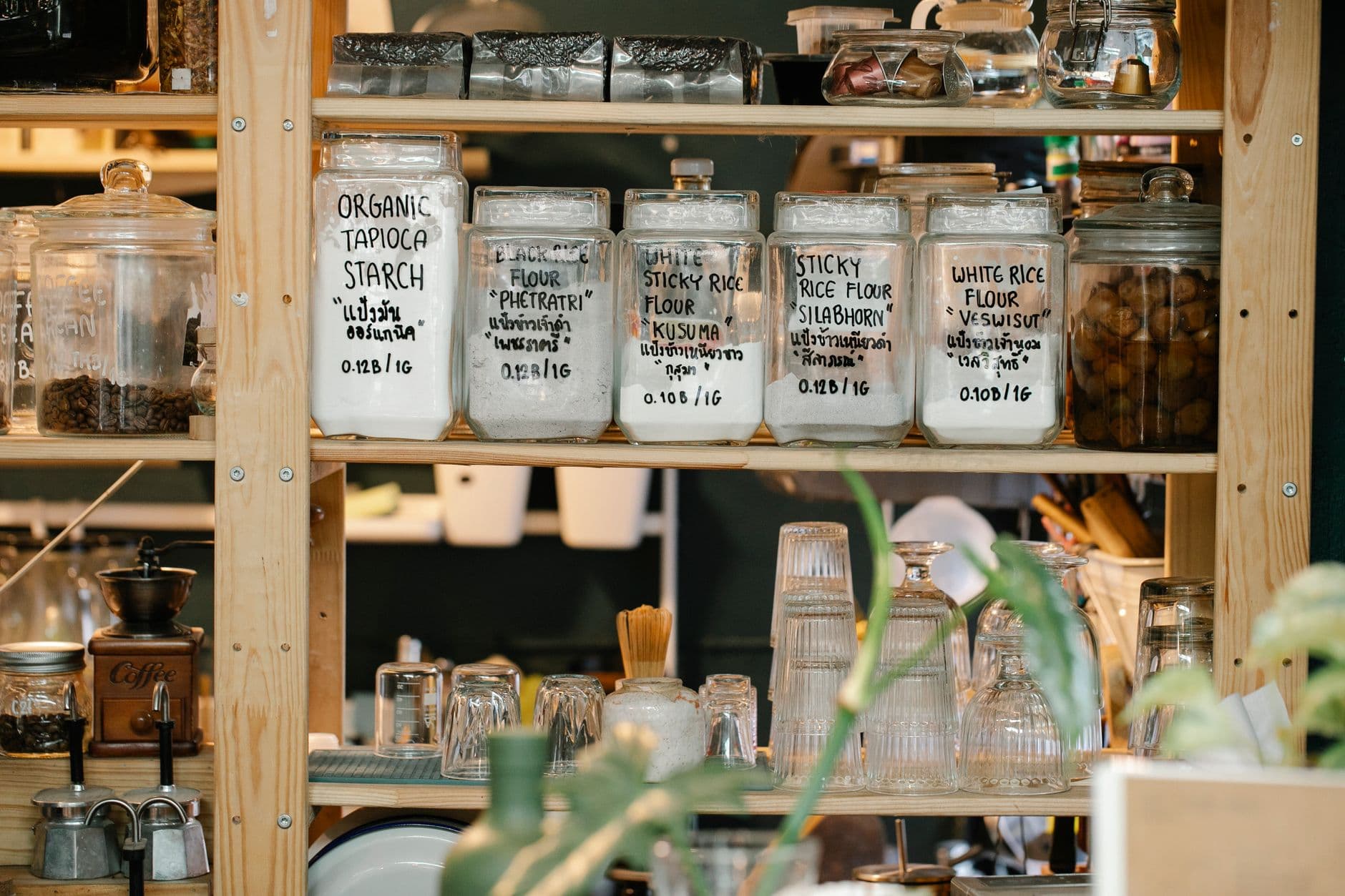
Next, I decided to test wall-mounted shelves. With $50, I purchased a set of two sturdy wooden shelves. Installation took a couple of hours with a drill, level, and some patience. I mounted them above my countertop, making sure they were at a height I could reach comfortably.
These shelves transformed my space. I used them for spices, mugs, and even some decorative plants. I loved the easy access and the way they showcased my nicer kitchenware. However, shelves came with their own set of challenges. They collected dust quickly and required regular cleaning. Plus, I had to be mindful of weight and not overload them.
One benefit was the visual appeal. I displayed my collection of colorful mugs and a few potted herbs, which added charm to a previously dull corner. However, overloading the shelves made them look cluttered, and I had to be strategic about what went up there. Balancing aesthetics with practicality became a fun challenge. I also needed to ensure that items I used frequently were within easy reach, which meant some shuffling of shelf contents over time.
Comparing Drawer Organizers and Shelves
After trying both options, here's how drawer organizers and shelves compare based on my experience. Drawer organizers are best suited for maintaining order within closed spaces, while shelves give a room an open, airy feel and serve as display areas. Each system has its merits and drawbacks, and the choice depends heavily on personal preference and spatial constraints.
Here's a table summarizing my experience:
| Feature | Drawer Organizers | Shelves |
|---|---|---|
| Cost | $25 for a set | $50 for two shelves |
| Installation Time | 1 hour | 2 hours |
| Best Use | Small utensils | Spices and decor |
| Maintenance | Low | Moderate - needs dusting |
| Flexibility | High - Adjustable | Moderate - Fixed once mounted |
Practical Tips for Organizing
If you're considering either option, here are some tips to get started:
- Assess your needs: Identify which items need storing and their frequency of use. This helps determine whether they should be hidden in a drawer or displayed on a shelf.
- Measure your space: Ensure any organizers or shelves will fit without overcrowding or making areas inaccessible.
- Start small: Purchase one set first to see how it works before committing to more. This prevents unnecessary spending if a system doesn't suit your lifestyle.
- Mix and match: Use a combination of both for maximum efficiency, like organizers for drawers but shelves for decorative items. This can optimize both aesthetics and functionality.
- Maintain order: Regularly declutter and reorganize to keep systems effective. Dedicate a day each month for a quick organization reset.
- Be mindful of weight: Especially with shelves, ensure they are not overloaded, which could lead to damage or safety hazards.
Q&A: Common Questions on Organizing
Q: Can drawer organizers handle heavy items?
Some can, but it's generally best to keep heavier items like pots and pans in sturdier cabinets. Drawer organizers excel at keeping lighter items in check.
Q: How often should I clean shelves?
I find a quick dusting every two weeks keeps them looking neat. It varies depending on your home's dust levels. Regular attention prevents buildup and keeps displays vibrant.
Q: Are shelves hard to install?
With the right tools and a bit of patience, they're manageable. A level and a drill are essential. Taking time to measure accurately is crucial to prevent mistakes.
Q: What if I have limited wall space?
Consider floating shelves which take up less visual space or use vertical storage solutions like tall cabinets. These options can maximize storage without overwhelming a space.
EditorialOur Take
In my experience, drawer organizers and shelves both have their place. For those with smaller kitchens, drawer organizers are a quick win to tidy up the chaos. However, if you have wall space, shelves can dramatically enhance both functionality and aesthetics. These solutions aren't mutually exclusive; a blend often works best. Ultimately, choose based on your unique needs and the layout of your home. If you're someone who loves to display items, shelves might be more appealing. However, if you prefer a minimalistic approach, drawer organizers can hide the clutter effectively. Remember to regularly reassess your setup to ensure it meets your evolving needs.
Published on .
Share now!

Daniel Brooks
Organizing Contributor
Daniel Brooks writes about getting (and staying) organized at home. After years of living in small rentals, he is convinced that good systems beat more storage boxes every time. He focuses on simple routines that survive a busy week. Daniel uses AI tools to research, draft, and help keep these articles accurate.
More from Daniel →The information on this site is of a general nature only and is not intended to address the specific circumstances of any particular individual or entity. It is not intended or implied to be a substitute for professional advice.
Get our best tips in your inbox
A short, practical email now and then. No spam, and you can unsubscribe anytime.