Published on:
6 min read
By Sophia Bennett · Kitchen & Pantry Writer
Can Glass Containers Save Your Pantry Space?
Switching to glass containers in my pantry transformed my organization and improved visibility. Here's how it worked for me and why it might work for you too.
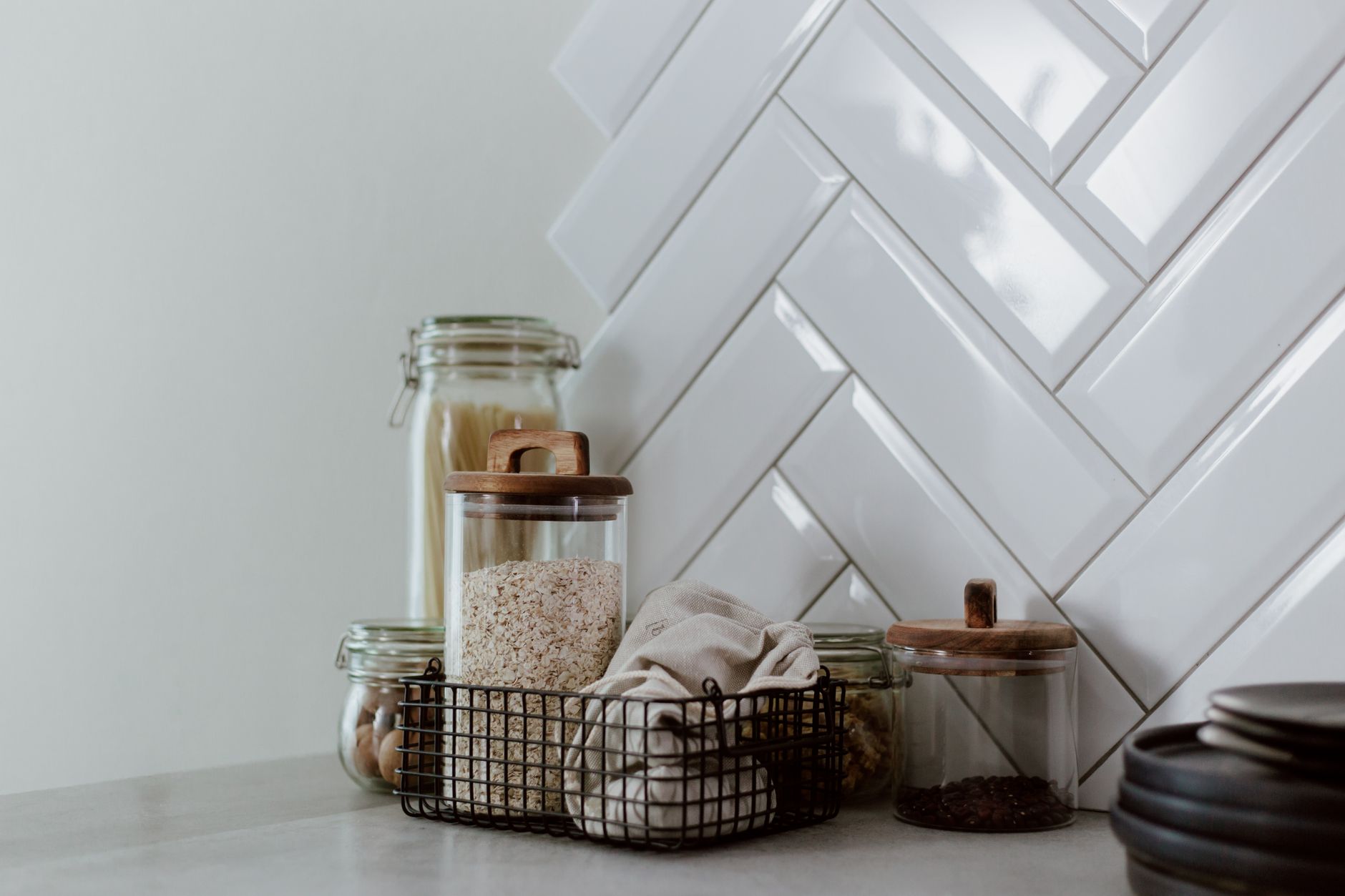
Transforming My Pantry with Glass Containers
I used to dread the thought of organizing my pantry. Every time I opened the cupboard doors, I was met with chaos: mismatched plastic containers, half-closed boxes, and spilled grains. The worst part? I could never find what I needed quickly. After a particularly frustrating search for quinoa one evening, I decided it was time for a change. I’d read about using glass containers for storage, but I was skeptical. Could they really save my pantry space and sanity? Here’s what I discovered after making the switch.
The initial task seemed daunting. My pantry was filled with a jumble of boxes, bags, and plastic containers of every shape and size. The clutter made it hard to estimate quantities, leading to multiple purchases of items I already had. I knew that moving to glass containers could be the answer to better organization, but I had to experience it to believe it.
The Initial Setup: A Game-Changer for Organization
When I first decided to switch to glass containers, I purchased a set of 12 jars for about $40. I got them in various sizes — from small ones for spices to large ones for pasta and flour. The first day, I spent a solid three hours cleaning out my pantry. I discarded expired items, consolidated duplicates, and transferred everything else into the glass jars. The transformation was immediate. Not only did I suddenly have more space, but everything looked so orderly.
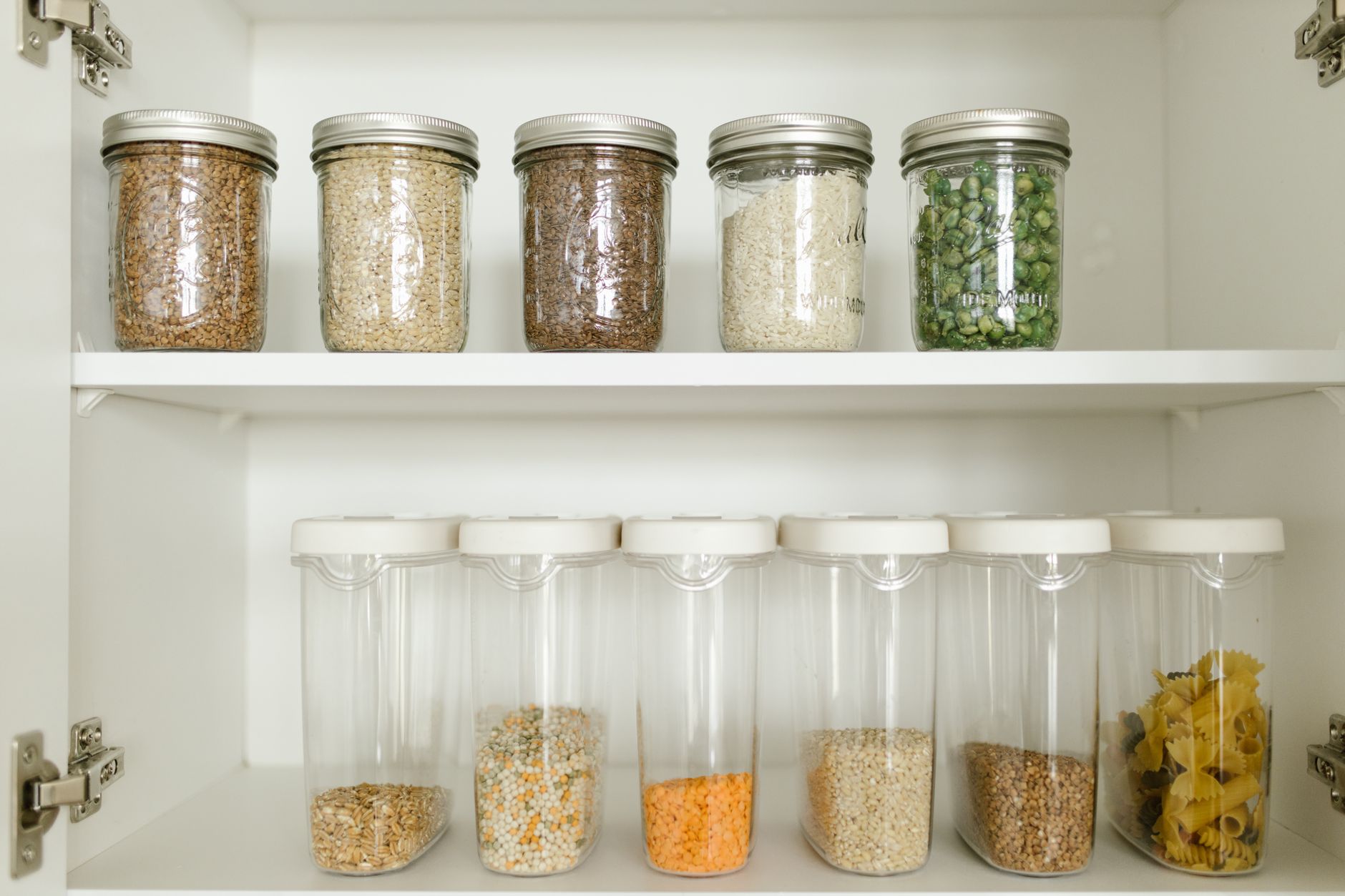
What surprised me the most was how easy it was to maintain this organization. The transparency of the glass means I can easily see when I’m running low on something. Plus, the uniform shapes of the containers make it simple to stack and arrange them efficiently, unlike the hodgepodge of bags and boxes I had before. I even found that my meal prep time was reduced significantly, as I no longer had to search for ingredients.
Moreover, I found that the glass containers helped me in another unexpected way — they inspired me to cook more at home. Seeing all the ingredients neatly organized and readily available made the idea of cooking less stressful and more inviting.
Visibility and Freshness: A Winning Combination
One of the biggest benefits of switching to glass containers was the improved visibility. I can’t overstate how much easier it is to find items now. Before, I might spend five minutes sifting through the mess looking for a particular spice. Now, I can locate it in seconds. This visibility has also made my grocery shopping more efficient, as I can quickly assess what I need more of before heading to the store.
In addition to visibility, glass containers keep food fresher longer. The airtight seals do wonders for maintaining freshness, which means less food waste. I noticed this particularly with my coffee beans and flour. Previously, my flour would develop a stale smell after a few weeks in its original bag, but sealed in a glass container, it stays fresh for months. I even noticed a difference with my snacks, like nuts and dried fruits, which retained their crunch and flavor much longer than when stored in plastic bags.
Another plus is that glass doesn’t retain odors or stains, something I struggled with when using plastic containers. This makes glass containers a more hygienic option, and cleaning them is a breeze — a quick wash with warm soapy water or a run through the dishwasher, and they’re spotless again.
Comparing Glass to Other Containers
To understand the benefits of glass containers, I compared them to other types of storage. The differences became apparent quickly:
It's clear that glass containers outshine the alternatives in most respects. They're superior in maintaining freshness and offer unmatched visibility. The only downside is they can be heavier and more prone to breakage if not handled carefully. Compared to plastic, glass doesn't warp or stain, making it a long-lasting choice.
While plastic containers are lighter and often cheaper, they don’t provide the same level of durability or aesthetic appeal. Original packaging, often made of cardboard or thin plastic, doesn’t protect ingredients from moisture or pests, leading to quicker spoilage. In contrast, glass containers offer a level of protection and sustainability that helps both the environment and my kitchen organization.
| Feature | Glass Containers | Plastic Containers | Original Packaging |
|---|---|---|---|
| Visibility | High | Medium | Low |
| Freshness | Excellent | Good | Poor |
| Stackability | Excellent | Variable | Poor |
How to Make the Switch Efficiently
Switching to glass containers doesn’t have to be overwhelming. Here’s how I approached it:
- Start with a clear-out day. Dedicate a few hours to remove everything from your pantry.
- Group similar items together and discard anything expired.
- Measure your pantry space to determine the best size and shape for your containers.
- Purchase a set of glass containers that fit your needs. Consider buying a few extra for future additions.
- Transfer your pantry items into the containers, labeling each one as you go.
- Arrange the containers by frequency of use, placing the most-used items at eye level.
Q&A About Glass Containers
Q: Are glass containers worth the investment?
Absolutely, especially if pantry organization and food freshness are priorities. While the initial cost may be higher than plastic, the benefits of longevity and reduced food waste make them a cost-effective choice over time.
Q: Do glass containers break easily?
While glass can break, most pantry containers are made from thick, durable glass designed for everyday use. It's important to handle them carefully, particularly when washing or stacking.
Q: How do I clean glass containers?
Most glass containers are dishwasher safe. However, I usually wash mine by hand with warm soapy water to ensure the lids, especially those with seals, are thoroughly cleaned and dried before re-use.
Q: Can I store anything in glass containers?
While glass is great for most dry goods, avoid using them for liquids unless they are specifically designed for that purpose, as not all seals are leak-proof.
EditorialOur Take
Making the switch to glass containers was a game-changer for my pantry. The improvement in organization and visibility was significant, and I found myself wasting less food because I could actually see what I had. This approach isn’t for you if you're prone to dropping things or if you’re looking for the cheapest storage solution. However, if you want a system that’s both aesthetically pleasing and functional, I highly recommend it. For anyone tired of clutter or constantly buying the same staple because you couldn't see it buried in the back, glass containers can be a transformative solution.
In addition, the environmental aspect is worth considering. By choosing glass, I’m avoiding contributing to plastic waste, which is a small yet meaningful step towards sustainability. If you can navigate the cost and potential heaviness of glass, the benefits truly outweigh these minor inconveniences. For someone like me, who values both practicality and appearance, glass containers are a perfect fit.
Published on .
Share now!

Sophia Bennett
Kitchen & Pantry Writer
Sophia Bennett covers the kitchen for Dailynib, from pantry organization to keeping produce fresh longer. She cooks most nights and treats her own kitchen as a testing lab for storage and prep tips. Sophia likes practical advice that saves time and reduces food waste. Sophia uses AI tools to research, draft, and help keep these articles accurate.
More from Sophia →The information on this site is of a general nature only and is not intended to address the specific circumstances of any particular individual or entity. It is not intended or implied to be a substitute for professional advice.
Get our best tips in your inbox
A short, practical email now and then. No spam, and you can unsubscribe anytime.