Published on:
5 min read
By Daniel Brooks · Organizing Contributor
8 Tips for Organizing Kids' Playrooms Effectively
Transforming my kids' playroom into a haven of order and creativity was no small task. I’ll share eight tips that helped me maintain organization without stifling their imagination.
Taming the Chaos: My Playroom Makeover
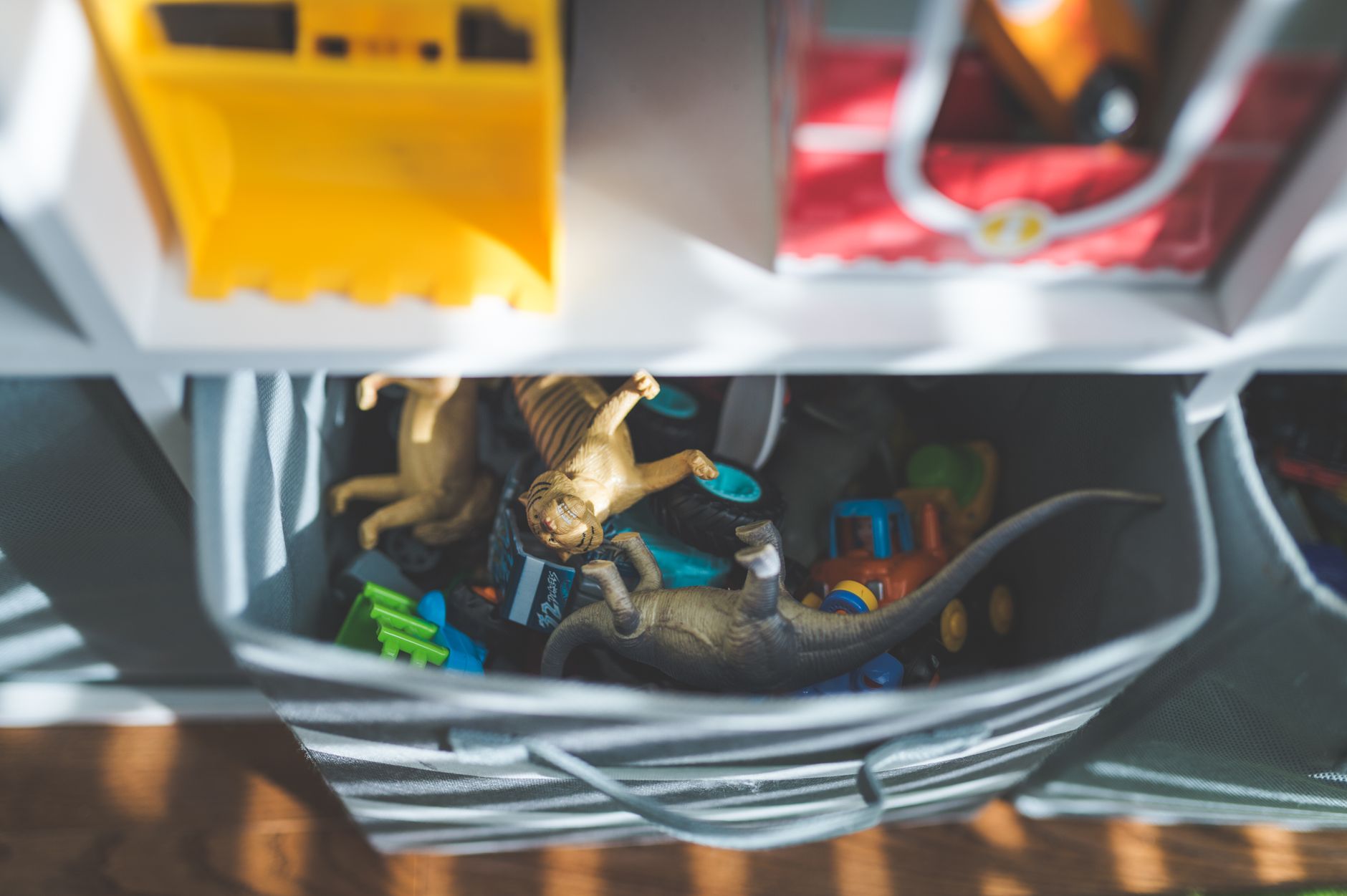
When my kids' playroom began to resemble a whirlwind of toys, books, and art supplies, I knew it was time for a change. My goal was to create a space that encouraged creativity without descending into chaos. What I learned was that striking a balance between order and inspiration wasn't just about tidying once — it required a system that the kids could understand and maintain themselves.
I spent several weekends observing how my kids used the playroom, noting the toys they favored and the ones that often lay forgotten. I realized that the key challenge was not just sorting toys but creating a functional, inviting space that encouraged my kids to clean up after themselves. In this article, I'll walk you through eight steps I took to transform our playroom, sharing my hits and misses along the way, hoping it will guide you in creating a harmonious play environment for your kids.
The Toy Rotation Strategy
Our first problem was the sheer volume of toys. With two kids, our playroom was overflowing, and the clutter was overwhelming. I decided to implement a toy rotation system. I boxed up about 70% of the toys and stored them in a closet. Every month, I swap out the toys in the playroom with those in the boxes. This not only keeps the space tidy but also reignites interest in 'new' toys. Initially, I tried rotating weekly, but that was too frequent and resulted in a lot of chaos. Monthly rotations struck the perfect balance, allowing the kids to feel like they had a new playroom every few weeks.
The first month of toy rotation was an experiment. I was surprised at how excited the kids were to play with toys they hadn't seen in weeks. This approach also helped me identify toys that were truly beloved and those that could be donated. Over time, the system became a natural part of our routine, making it easier to keep the playroom organized and clutter-free.
Labeling: A Game Changer
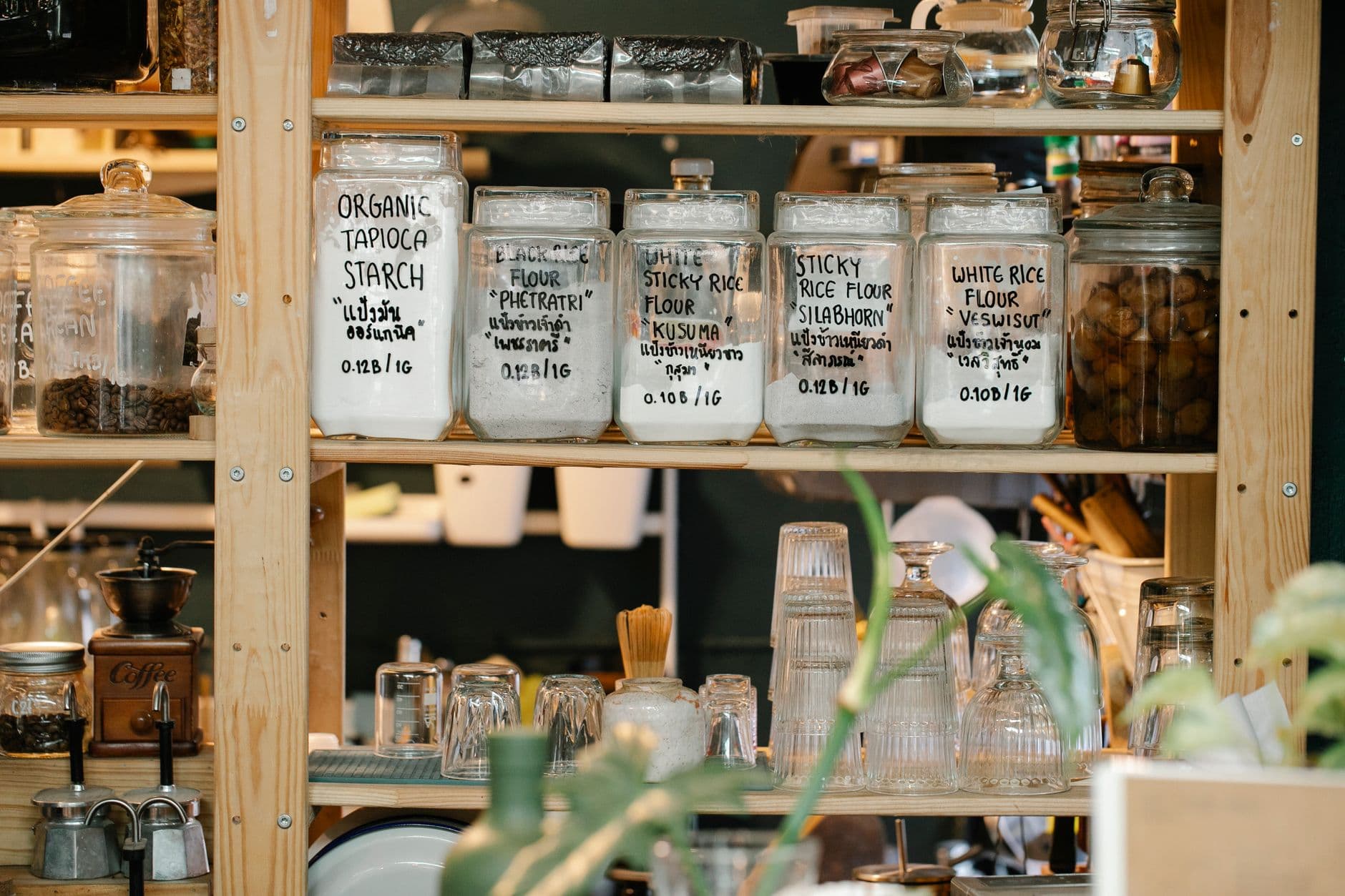
Realizing that my kids were too young to read but loved pictures, I created a labeling system using images. I printed pictures of toys and stuck them on the corresponding bins and shelves. This cost me around $10 for printing supplies. The impact was immediate. My four-year-old could easily find and put away toys without my help. It was a fun activity that we did together, and it made them feel ownership over their space. Initially, I only used written labels, which didn't work because my youngest couldn't read yet. Switching to image labels was a game-changer.
This method not only improved the organization but also helped my kids develop sorting skills. They began associating the images with the actual toys, which enhanced their learning. Plus, involving them in the labeling process made them more excited about keeping their playroom tidy. This was a win-win as it reduced the clutter and encouraged them to take responsibility for their toys.
Storage Solutions: Comparing the Options
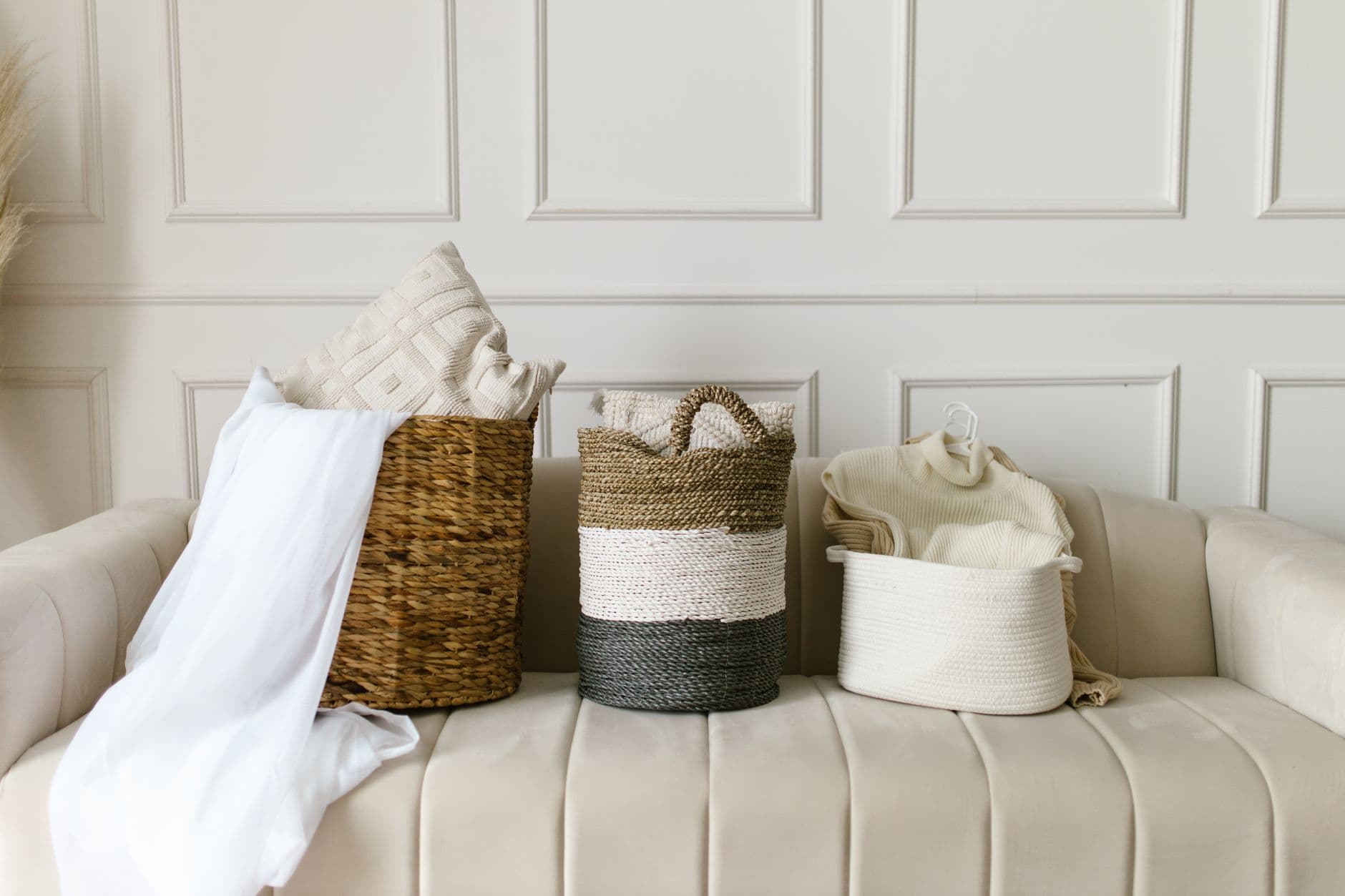
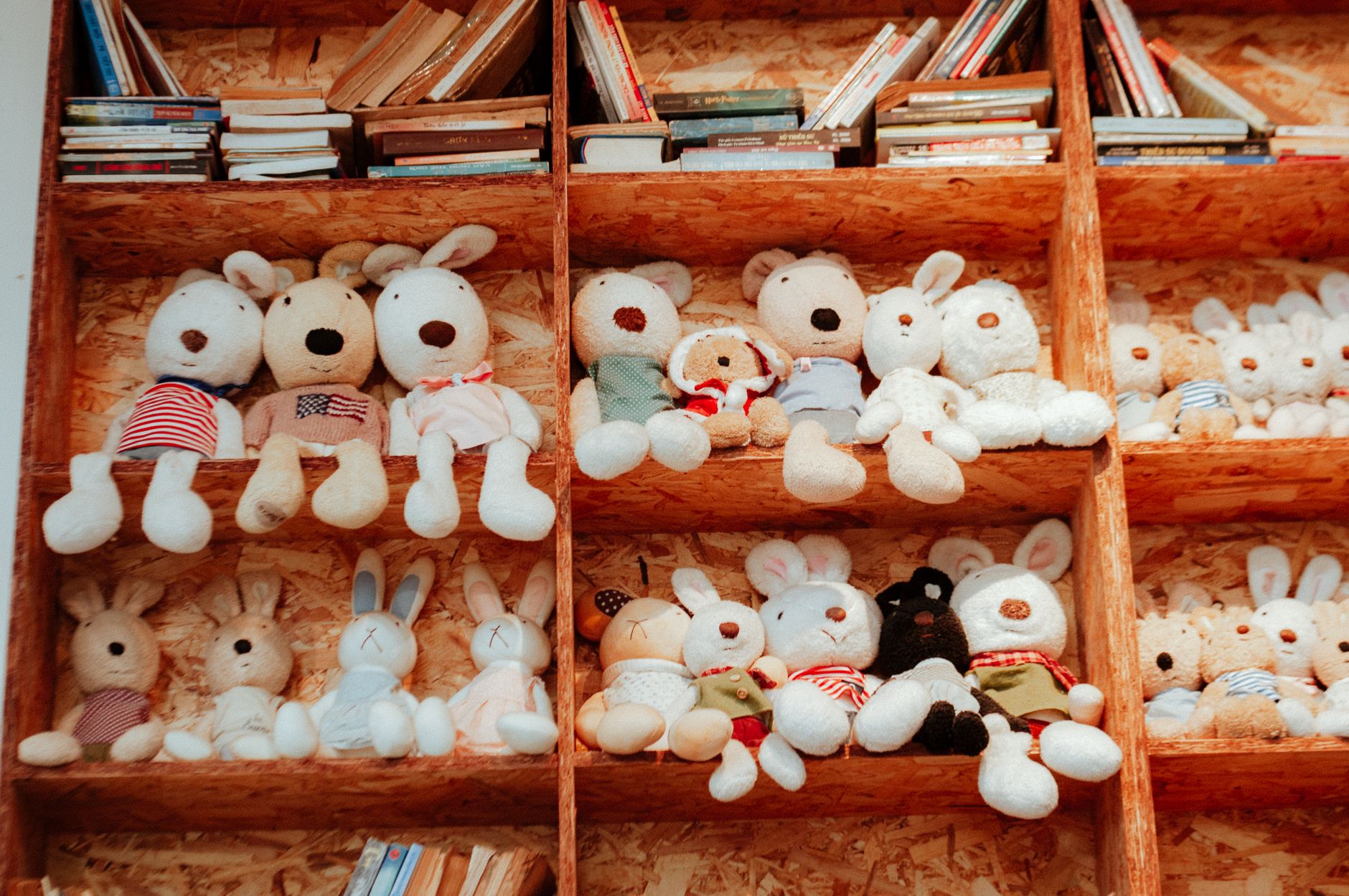
We opted for a mix of plastic bins and fabric baskets. Plastic bins were perfect for art supplies, while fabric baskets were great for stuffed animals. The key was ensuring everything was within reach, so the kids could access their toys independently without creating a mess in the process.
One mistake I initially made was buying storage that was too large and heavy for the kids to handle, which defeated the purpose of easy access. Eventually, the right combination of storage options not only made the playroom look organized but also functioned well for daily use.
| Storage Type | Cost | Ease of Use |
|---|---|---|
| Plastic bins | $5 each | High - stackable and easy for kids |
| Wooden shelves | $30 each | Medium - sturdy but heavy |
| Fabric baskets | $15 each | High - lightweight and flexible |
Steps to a Clutter-Free Playroom
Here’s a step-by-step guide to organizing your kids' playroom effectively:
- Declutter by donating toys that are no longer played with. We took two carloads to the local donation center, freeing up significant space.
- Implement a toy rotation system to reduce overwhelm. A monthly schedule worked best, keeping the playroom fresh and exciting.
- Invest in storage solutions that match your space and budget. We spent about $100 total, focusing on bins and baskets easy for little hands to manage.
- Use labels with images to help non-readers find and return items easily. It cost $10 for supplies and paid off in significant time savings.
- Regularly schedule 15-minute tidy-up sessions with the kids. I set a timer, making cleanup a fun race.
- Ensure all storage is kid-height to encourage independent cleanup. This helped instill a sense of responsibility in my kids.
- Incorporate a creative corner with art supplies to channel their creativity. We dedicated a small table for drawing and crafts, which kept their artistic pursuits organized.
FAQs on Playroom Organization
Q: How often should I rotate toys?
Monthly rotations work best for us, as they maintain interest without the hassle of a constant change.
Q: What if my child refuses to tidy up?
I made tidying a game; we set a timer and raced to see who could pick up the most toys.
Q: Do DIY labels really work for young children?
Absolutely. Using picture labels transformed our cleanup routine, making it easy and fun for my kids.
Q: How do I handle toys that don’t fit in bins?
For larger toys, I created a designated 'parking zone' in a corner of the room. This area was marked with a floor mat, making it clear where these items should go.
EditorialOur Take
Organizing a kids' playroom doesn't have to be stressful. It's about creating a system that fits your lifestyle and involves your children. This approach isn't for those seeking a pristine, adult-style décor; it's for parents who want their kids to enjoy their spaces while learning to tidy up. What worked for us was a mix of structure and creative freedom, allowing our kids to explore and learn responsibility simultaneously.
If you're ready to cut clutter without stifling creativity, these steps are a great starting point. Remember, the goal is to encourage independence and cultivate a sense of responsibility in your kids, all while keeping the playroom a fun and inviting space.
Published on .
Share now!

Daniel Brooks
Organizing Contributor
Daniel Brooks writes about getting (and staying) organized at home. After years of living in small rentals, he is convinced that good systems beat more storage boxes every time. He focuses on simple routines that survive a busy week. Daniel uses AI tools to research, draft, and help keep these articles accurate.
More from Daniel →The information on this site is of a general nature only and is not intended to address the specific circumstances of any particular individual or entity. It is not intended or implied to be a substitute for professional advice.
Get our best tips in your inbox
A short, practical email now and then. No spam, and you can unsubscribe anytime.