Published on:
10 min read
Water Removal Companies: What to Know About Fast Cleanup
When water damage hits, every hour matters. This guide explains what water removal companies actually do, how fast cleanup affects repair costs and mold risk, what certifications and equipment to look for, and how to avoid overpriced or underqualified contractors during a stressful emergency. You’ll learn the difference between water extraction, drying, sanitizing, and rebuild work, plus how insurance claims typically intersect with mitigation services. The article also covers realistic timelines, pricing factors, questions to ask before signing an authorization form, and practical steps homeowners can take in the first few hours. If you want a clear, experience-driven roadmap for choosing the right company and reducing damage before it spreads, this is the information most property owners wish they had before the call.
- •Why speed matters more than most homeowners realize
- •What water removal companies actually do during the first visit
- •How to evaluate a company before you sign anything
- •Costs, insurance, and the billing issues that surprise people
- •Red flags, smart questions, and practical tips for the first 24 hours
- •Key Takeaways and next steps if you need help fast
- •Conclusion
Why speed matters more than most homeowners realize
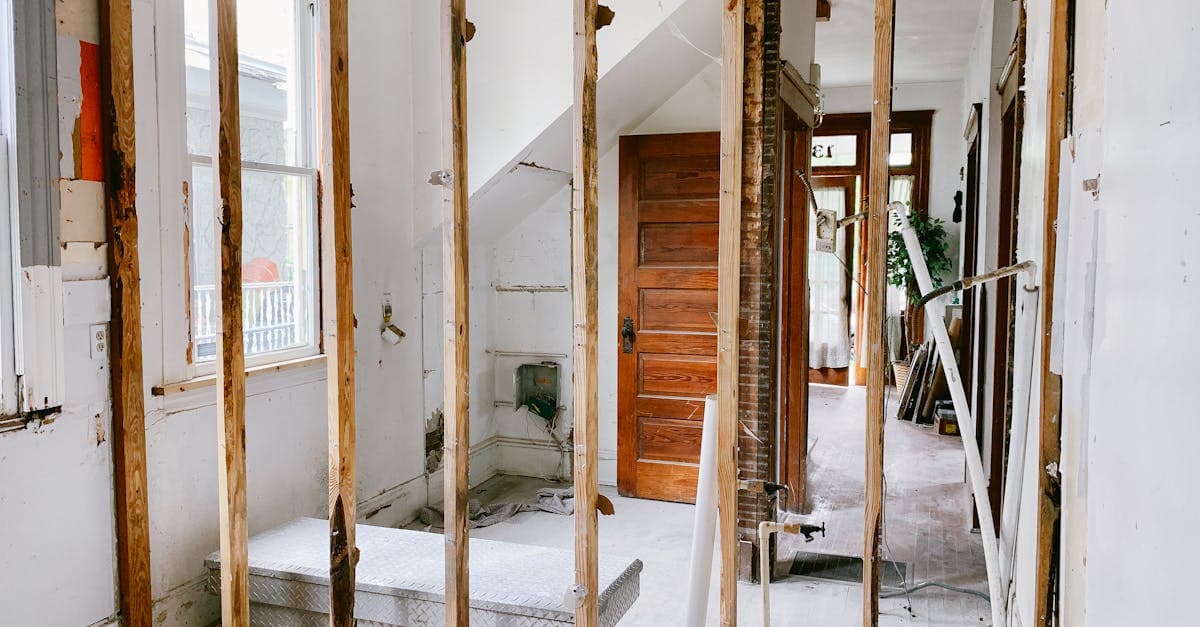
Water damage is one of the few home emergencies where a delay of even several hours can sharply increase the final repair bill. A burst supply line can release hundreds of gallons in a day, and clean water does not stay clean for long once it soaks drywall, insulation, subflooring, and baseboards. In industry practice, standing water is often classified by contamination level and exposure time, and after 24 to 48 hours the risk of microbial growth rises fast enough that removal becomes more than a simple extraction job.
That is why water removal companies focus first on mitigation, not aesthetics. Their immediate goal is to stop migration, extract as much water as possible, and create drying conditions before cupping floors, swollen trim, and hidden moisture pockets turn into demolition-heavy repairs. The Environmental Protection Agency notes that mold can begin growing within 24 to 48 hours under the right conditions, which is the benchmark many restoration firms cite when urging same-day action.
A real-world example makes this concrete. If a second-floor toilet supply line fails at 2 a.m., water can move through bathroom tile edges, into subfloor seams, down wall cavities, and through ceiling drywall below before sunrise. By afternoon, what looked like one wet bathroom can become a kitchen ceiling loss, insulation removal, cabinet toe-kick damage, and electrical fixture concerns.
Fast cleanup matters because it can:
- Reduce demolition scope
- Improve salvage rates for flooring and cabinetry
- Lower mold risk
- Shorten insurance disputes over preventable secondary damage
What water removal companies actually do during the first visit
Many homeowners call a water removal company expecting a crew with fans. Professional mitigation is much more structured than that. A competent company starts with source control and a safety assessment, then maps moisture, extracts standing water, removes unsalvageable materials when necessary, and installs drying equipment based on the building layout and material types. The best teams also document everything for insurance from the first hour onward.
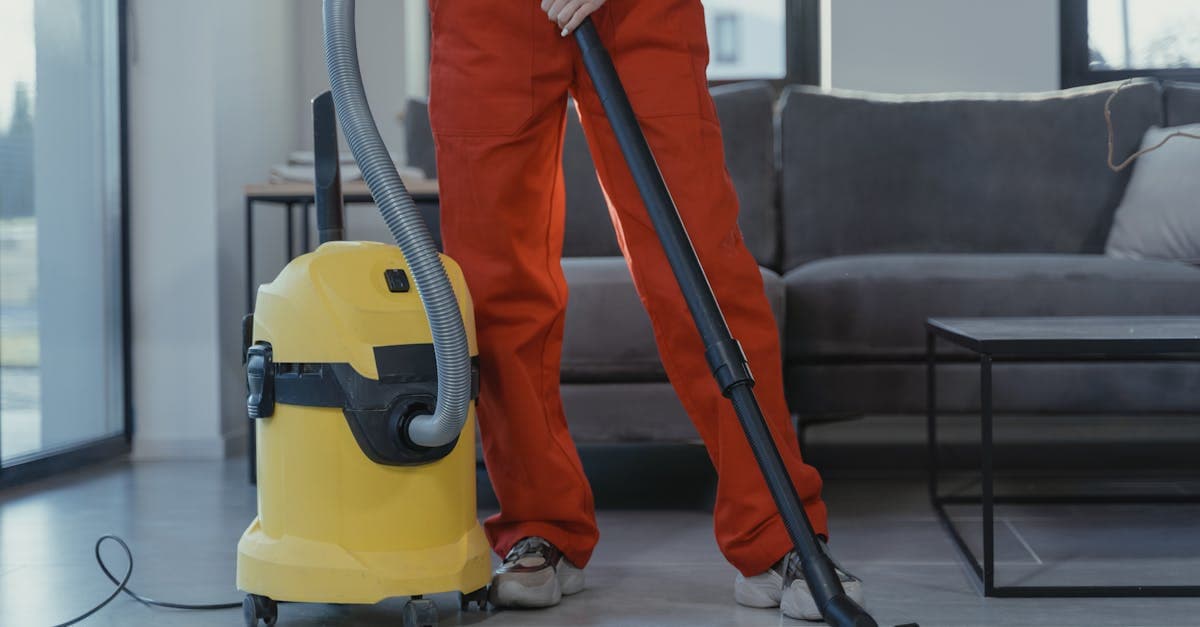
A typical first visit often includes moisture meters, thermal imaging, hygrometers, truck-mounted or portable extractors, air movers, dehumidifiers, antimicrobial treatments when appropriate, and containment supplies if contamination is suspected. In a Category 2 or Category 3 loss, such as an overflowing washing machine with prolonged exposure or sewage backup, sanitation and PPE protocols become a central part of the job, not an add-on.
Homeowners should understand the difference between services that are often lumped together:
- Water extraction removes standing water
- Structural drying removes moisture trapped in materials and air
- Cleaning and sanitizing address contamination and odor concerns
- Reconstruction is separate work involving drywall, paint, flooring, or cabinets
How to evaluate a company before you sign anything
In an emergency, people often hire the first company that answers the phone. That is understandable, but a 10-minute screening call can prevent weeks of billing disputes or poor workmanship. Start with credentials. Look for IICRC-related training, proper state licensing where required, liability insurance, workers’ compensation coverage, and a clear physical business presence. Not every excellent firm markets heavily, but every legitimate one should be able to explain its process and documentation standards.
Ask who will be on site and how quickly they can arrive. National franchises may have strong systems, while local independents may offer more direct oversight. Neither model is automatically better. What matters is whether the company can provide a written scope, daily monitoring, and photo or moisture-read documentation showing progress. If they cannot explain where moisture is, how they are measuring it, and when equipment will be removed, you are operating on trust alone.
Important questions to ask include:
- Are you billing insurance-standard line items or flat emergency packages?
- Will you test and document moisture daily?
- Do you remove baseboards or drill access points only when needed?
- Are rebuild services optional or bundled?
- What happens if asbestos, lead paint, or microbial contamination is discovered?
- More staff for after-hours response
- Stronger insurance paperwork systems
- Access to more equipment during widespread storms
- Less personal communication
- Potentially higher overhead pricing
- Subcontracting in surge events
Costs, insurance, and the billing issues that surprise people
Water removal pricing varies widely because the invoice reflects labor, equipment days, moisture monitoring, demolition needs, contamination level, and after-hours response. A small clean-water extraction in one room may cost a few hundred to a couple thousand dollars, while a multi-room loss with saturated drywall, insulation, hardwood drying mats, and contents manipulation can rise much higher. The number that shocks homeowners most is often not extraction itself, but the cumulative equipment and daily monitoring charges over several days.
Insurance can help, but coverage depends on the cause of loss, not simply the presence of water. Sudden and accidental events such as a burst pipe are often handled differently from long-term leaks, neglected maintenance, groundwater intrusion, or flood events that require separate flood coverage. According to the Insurance Information Institute, water damage and freezing have consistently ranked among the most common homeowners insurance claim categories in the United States, which is why carriers scrutinize cause and timeline closely.
Common billing pain points include:
- Charges for equipment that stayed longer than necessary
- Demolition performed without clear approval
- Ambiguous emergency service authorizations
- Confusion over whether direct billing means full insurance acceptance
- Less cash flow pressure upfront
- Faster paperwork exchange in many cases
- Better alignment between mitigation records and claim handling
- Some owners assume every charge is automatically covered
- Disputes may leave the homeowner responsible for balances
- Communication can get fragmented between adjuster, mitigation team, and rebuild contractor
Red flags, smart questions, and practical tips for the first 24 hours
The first day after water damage is chaotic, which is exactly when bad operators exploit urgency. Be cautious if a company refuses to discuss pricing structure, discourages you from contacting your insurer, demands full reconstruction rights immediately, or insists that every wet material must be torn out before moisture mapping is done. High-pressure statements like “sign now or your whole house will be moldy tonight” are usually meant to bypass informed consent.
A better company will tell you what you can safely do before they arrive. If conditions are safe, shut off the water source, cut power to affected areas if there is electrical risk, move rugs and loose contents, place foil or wood blocks under furniture legs, and photograph all visible damage. Do not enter rooms with sagging ceilings, active electrical hazards, or contaminated water.
Practical first-24-hour tips:
- Take wide and close-up photos before cleanup starts
- Save receipts for emergency purchases such as hotel stays or fans if your insurer advises it
- Ask for moisture readings at the start and during each visit
- Confirm whether the crew is removing materials for drying efficiency or because they are unsalvageable
- Get all change orders in writing
Key Takeaways and next steps if you need help fast
Choosing a water removal company is less about finding the nearest truck and more about finding a team that can document, dry, and communicate effectively under pressure. The right company acts quickly, but it also explains the scope, separates mitigation from rebuild when appropriate, and gives you measurable proof that drying is progressing. That combination is what keeps a stressful event from turning into a month-long dispute.
Here are the practical takeaways that matter most:
- Call for professional help as soon as structural materials are involved, not after visible water has spread
- Prioritize firms that use moisture mapping and daily documentation
- Verify licensing, insurance, and training before authorizing broad work
- Ask exactly what you are signing, especially if the form mentions reconstruction or assignment language
- Keep your own photos, notes, and copies of all approvals
- Treat insurance as a parallel process, not a substitute for reading contracts
Conclusion
Water damage gets expensive when owners lose time, sign vague paperwork, or assume surface drying means the structure is safe. The best water removal companies do more than extract water. They document conditions, control moisture migration, communicate clearly, and help you make smart decisions about salvage, insurance, and repairs. If you are dealing with an active loss, focus on safety first, then get photos, stop the source if possible, and call a qualified mitigation company that can explain its process in plain language. If you are not in an emergency today, use this moment to vet local providers and store their numbers. Preparation is not overkill here. In water damage, the first few hours often determine the final cost, the repair timeline, and whether the cleanup stays manageable.
Published on .
Share now!
AL
Aria Lawson
Author
The information on this site is of a general nature only and is not intended to address the specific circumstances of any particular individual or entity. It is not intended or implied to be a substitute for professional advice.