Published on:
10 min read
HVAC Companies: Key Trends Shaping Home Comfort Today
Home comfort is no longer just about heating in winter and cooling in summer. Today’s HVAC companies are reshaping the market through high-efficiency heat pumps, smart controls, indoor air quality upgrades, electrification, subscription-style maintenance plans, and data-driven service models that help homeowners reduce energy waste while improving comfort. This article breaks down the most important trends influencing how systems are sold, installed, and maintained, with practical context for what those changes mean in a real household. You’ll learn where the industry is heading, which upgrades offer the best value, what tradeoffs to expect, and how to choose a contractor that can deliver performance instead of just equipment. If you want lower utility bills, healthier indoor air, and fewer surprise breakdowns, these are the shifts worth understanding before your next HVAC decision.
- •Why HVAC companies are changing faster than most homeowners realize
- •Heat pumps and electrification are moving from niche to mainstream
- •Smart HVAC, remote diagnostics, and connected maintenance are redefining service
- •Indoor air quality has become a core revenue stream and a real consumer priority
- •Labor shortages, training gaps, and consolidation are changing who homeowners hire
- •Key Takeaways: how homeowners can make smarter HVAC decisions in this new market
- •Conclusion
Why HVAC companies are changing faster than most homeowners realize
The HVAC industry used to be relatively predictable. A homeowner’s furnace failed, a contractor replaced it, and the relationship often went quiet until the next breakdown. That model is disappearing. HVAC companies today are operating in a market shaped by energy inflation, labor shortages, stricter efficiency rules, climate-driven weather extremes, and customers who expect the same convenience they get from telecom or security providers. In practical terms, that means more connected systems, more service contracts, and more emphasis on measurable performance.
One reason this shift matters is cost. The U.S. Energy Information Administration has repeatedly shown that heating and cooling make up the largest share of residential energy use in many homes, often around 40 percent or more depending on region and fuel type. When utility rates rise, inefficient HVAC systems become far more painful to own. At the same time, extreme heat events are putting additional strain on aging air conditioners, especially in Sun Belt states where summer peak demand has climbed sharply.
HVAC companies are responding by moving from equipment sellers to comfort consultants. Instead of asking only, "What size unit do you need," stronger firms now ask about airflow, insulation, humidity, duct leakage, room-by-room temperature imbalance, and household health concerns.
That change has clear upsides and some drawbacks:
- Pros: better system matching, lower energy waste, more customized comfort, fewer repeat service calls
- Cons: more complex sales process, wider pricing gaps between bids, more jargon for homeowners to sort through
Heat pumps and electrification are moving from niche to mainstream
Perhaps the biggest industry trend is the rapid rise of heat pumps. Once viewed mainly as a mild-climate option, modern cold-climate heat pumps are now being installed in parts of the Midwest and Northeast where winter performance used to be a major concern. The underlying driver is simple: homeowners want lower emissions, more efficient heating, and a way to reduce dependence on volatile fossil-fuel prices.
The numbers help explain the momentum. In recent years, heat pump shipments in the U.S. have outpaced gas furnace shipments, a milestone that would have sounded improbable a decade ago. Federal incentives have accelerated interest as well. Tax credits under current federal policy can reduce the upfront cost of qualifying high-efficiency systems, while some utilities offer additional rebates for electrification projects.
For HVAC companies, this creates both opportunity and pressure. Selling a heat pump is not the same as selling a standard furnace and condenser pair. Proper load calculations, refrigerant setup, duct design, and backup heat strategy matter more than ever. A poorly installed premium heat pump can underperform a competently installed conventional system.
Homeowners should weigh the tradeoffs carefully:
- Pros: high efficiency, all-in-one heating and cooling, potential rebate eligibility, improved comfort with variable operation
- Cons: higher upfront installation cost, performance depends heavily on installer skill, electrical upgrades may be needed in older homes
Smart HVAC, remote diagnostics, and connected maintenance are redefining service
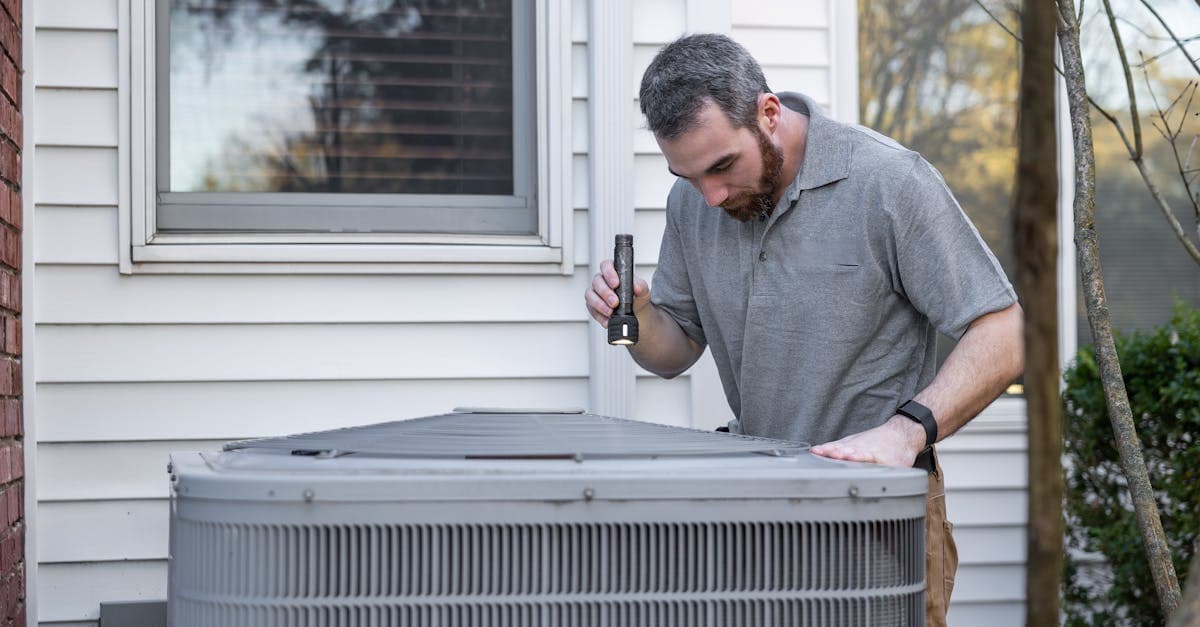
Another major trend is the shift from reactive repair to proactive monitoring. Smart thermostats have been around for years, but HVAC companies are now using connected controls, equipment sensors, and remote diagnostics to spot issues before the homeowner notices comfort loss. A system can alert a contractor to abnormal static pressure, compressor short-cycling, or temperature split problems long before a total breakdown occurs.
This approach is especially valuable during peak seasons when technician availability is tight. If a company can review performance data remotely, it can prioritize urgent calls, pre-order likely replacement parts, and resolve some issues in one visit instead of three. For homeowners, that can mean less downtime in a July heat wave or a January cold snap.
There is also a business incentive. Companies with recurring monitoring plans create steadier revenue and stronger customer retention. Instead of competing only on emergency replacements, they build ongoing relationships through maintenance memberships, filter delivery programs, and seasonal tune-up reminders.
Still, connected HVAC is not automatically better in every home:
- Pros: earlier fault detection, improved scheduling, better performance visibility, more accurate maintenance records
- Cons: subscription fees, app fatigue, privacy concerns, occasional compatibility problems between brands and platforms
Indoor air quality has become a core revenue stream and a real consumer priority
Indoor air quality, often shortened to IAQ, has moved from optional add-on to central selling point. The shift accelerated after the pandemic, but it is also tied to broader concerns: wildfire smoke, higher allergy rates, tighter building envelopes, and more time spent indoors. Homeowners who once focused only on temperature are now asking about filtration, fresh-air ventilation, dehumidification, and air purification.
That demand is justified. The U.S. Environmental Protection Agency has long noted that indoor pollutant levels can be two to five times higher than outdoor levels, and sometimes significantly more. In practical terms, that means a home with poor ventilation and inadequate filtration can trap particulates, VOCs, and moisture issues even if the heating and cooling equipment itself is technically working.
For HVAC companies, IAQ has become both a service opportunity and a test of credibility. Good contractors begin with the problem. Is the issue dust, humidity, stale air, odors, or allergy symptoms? Weak contractors jump straight to selling a UV light or premium purifier without diagnosing airflow, filter sizing, or ventilation rate.
Common IAQ upgrades come with tradeoffs:
- Media filters: better particle capture, but can reduce airflow if improperly sized
- Whole-home dehumidifiers: excellent for muggy climates, but add upfront and operating cost
- ERVs and HRVs: improved fresh air, but installation quality is critical for balancing
- UV devices: useful in specific applications, but often oversold as cure-alls
Labor shortages, training gaps, and consolidation are changing who homeowners hire
One of the least visible but most important trends is on the business side: who owns HVAC companies, who trains technicians, and how that affects service quality. The industry has faced a well-documented skilled labor shortage for years. Many veteran technicians are retiring, while demand for installation and service keeps growing. The result is a market where technical expertise can vary dramatically from one company to the next.
At the same time, private equity and regional consolidators have acquired many local HVAC firms. Consolidation is not automatically negative. Larger organizations often bring better dispatch software, financing options, inventory management, and formalized training. But it can also create pressure for higher average tickets, aggressive upselling, or sales-heavy compensation structures.
Homeowners should understand both sides:
- Potential advantages of larger firms: broader staffing, faster emergency response, longer service hours, stronger warranty administration
- Potential drawbacks: less continuity with the same technician, more scripted sales processes, higher overhead passed into pricing
- Potential advantages of independent firms: owner involvement, local reputation, flexible recommendations, stronger craftsmanship culture
- Potential drawbacks: limited schedule capacity, weaker back-office support, inconsistent follow-up if the business is small
Key Takeaways: how homeowners can make smarter HVAC decisions in this new market
The best response to today’s HVAC trends is not to chase every new feature. It is to become more disciplined about how you evaluate comfort, efficiency, and contractor quality. Homeowners who save the most money over five to ten years are often not the ones who buy the cheapest system or the most expensive one. They are the ones who buy the right system from a company that understands airflow, load, controls, and maintenance.
If you are planning a repair, replacement, or upgrade, focus on these practical steps:
- Get at least three bids, but compare scope, not just price. A $12,000 proposal that includes duct sealing and commissioning may outperform a $9,000 swap-out.
- Ask for a load calculation. Square footage alone is not system design.
- Request efficiency estimates in real terms. Ask how much the system may save annually based on your climate and utility rates.
- Have ductwork inspected. Leaky or undersized ducts can erase the benefits of premium equipment.
- Clarify warranty details. Separate manufacturer parts coverage from labor coverage.
- Review maintenance plan terms carefully. Some memberships are valuable; others are mostly billing tools.
- Prioritize IAQ if your home has humidity, dust, allergy, or stale-air problems.
- Check rebates before signing. Timing and model eligibility matter.
Conclusion
HVAC companies are being reshaped by electrification, smart diagnostics, indoor air quality demand, and major business-side shifts such as consolidation and labor shortages. For homeowners, these trends create real opportunities: lower energy use, healthier indoor environments, and more precise comfort. They also create new risks, especially when advanced equipment is paired with weak installation or sales-first advice.
Your next step should be practical. Audit your current pain points, gather multiple bids, ask for load calculations and duct evaluations, and treat contractor process as seriously as equipment brand. If a company can explain how it will improve airflow, humidity, efficiency, and long-term reliability, you are likely talking to the right partner. Home comfort today is less about buying a machine and more about choosing a team that can make your whole house perform better.
Published on .
Share now!
SH
Scarlett Hayes
Author
The information on this site is of a general nature only and is not intended to address the specific circumstances of any particular individual or entity. It is not intended or implied to be a substitute for professional advice.