Published on:
10 min read
Used Gym Equipment Trends: Save Money Without Sacrifice
Buying used gym equipment is no longer just a budget workaround for garage gym hobbyists. It has become a smarter, more strategic way to build a high-performing workout space without paying premium retail prices for machines that often lose value the moment they leave a showroom floor. In this article, you’ll learn which categories of used equipment hold up best, where the secondhand market is strongest, how commercial gym closures and home fitness demand have reshaped pricing, and what red flags separate a great deal from an expensive mistake. You’ll also get practical inspection tips, realistic price expectations, and clear guidance on when buying used makes financial sense and when new equipment is the better call. If you want to stretch your budget without sacrificing safety, performance, or long-term durability, this guide will help you make sharper decisions.
- •Why the Used Gym Equipment Market Is Growing Fast
- •Which Types of Used Equipment Deliver the Best Value
- •What Prices Look Like in Today’s Market
- •How to Inspect Used Equipment Before You Buy
- •Where Smart Buyers Are Finding the Best Deals
- •When Buying Used Is Smart and When New Is Worth It
- •Conclusion: Build Smarter, Not Just Cheaper
Why the Used Gym Equipment Market Is Growing Fast
The used gym equipment market has evolved from a niche, local classified game into a serious value channel for homeowners, personal trainers, apartment complexes, and boutique studios. One reason is simple math. New commercial treadmills can run from $3,000 to more than $10,000, while quality used units from brands like Life Fitness, Precor, and Matrix often sell for 30 to 60 percent less depending on age, service history, and console type. For strength equipment, the discount can be even more attractive because steel frames age far better than electronics.
Another trend pushing the market forward is the aftershock of pandemic-era fitness buying. During 2020 and 2021, demand for home workout gear surged, and many buyers paid inflated prices. By 2023 and 2024, a portion of that equipment began cycling back into resale channels as households reclaimed spare bedrooms and garages. At the same time, some gyms upgraded fleets or closed under pressure from rising rent and labor costs, adding more commercial-grade inventory to the secondary market.
What matters for buyers is that there are now more choices than five years ago, but also wider quality gaps. A lightly used adjustable bench from a home seller may be a bargain. A heavily worn cardio machine from a neglected facility may look cheap but need a $900 repair within months.
The biggest advantages of buying used include:
- Lower upfront cost
- Access to commercial-grade builds
- Less depreciation after purchase
- Limited warranty coverage
- Higher risk of hidden wear
- Possible moving and assembly costs
Which Types of Used Equipment Deliver the Best Value
Not all used gym equipment ages equally. If your goal is to save money without sacrifice, strength equipment usually offers the best value. Power racks, squat stands, barbells, bumper plates, dumbbells, benches, and plate-loaded machines are often the safest secondhand buys because they rely on simple mechanics and heavy-duty materials. A ten-year-old steel rack from Rogue, Hammer Strength, or Sorinex can still perform almost like new if it has no structural damage or rust in critical areas.
Cardio equipment is more nuanced. Rowers and air bikes tend to hold up better than treadmills and ellipticals because they have fewer high-stress electronic systems. A Concept2 RowErg is a classic example. Many units with millions of meters logged are still reliable if the chain, monitor, and seat rollers are maintained. By contrast, a used treadmill may seem like a steal at $800, but if the deck, belt, or motor controller is worn, your total cost can jump fast.
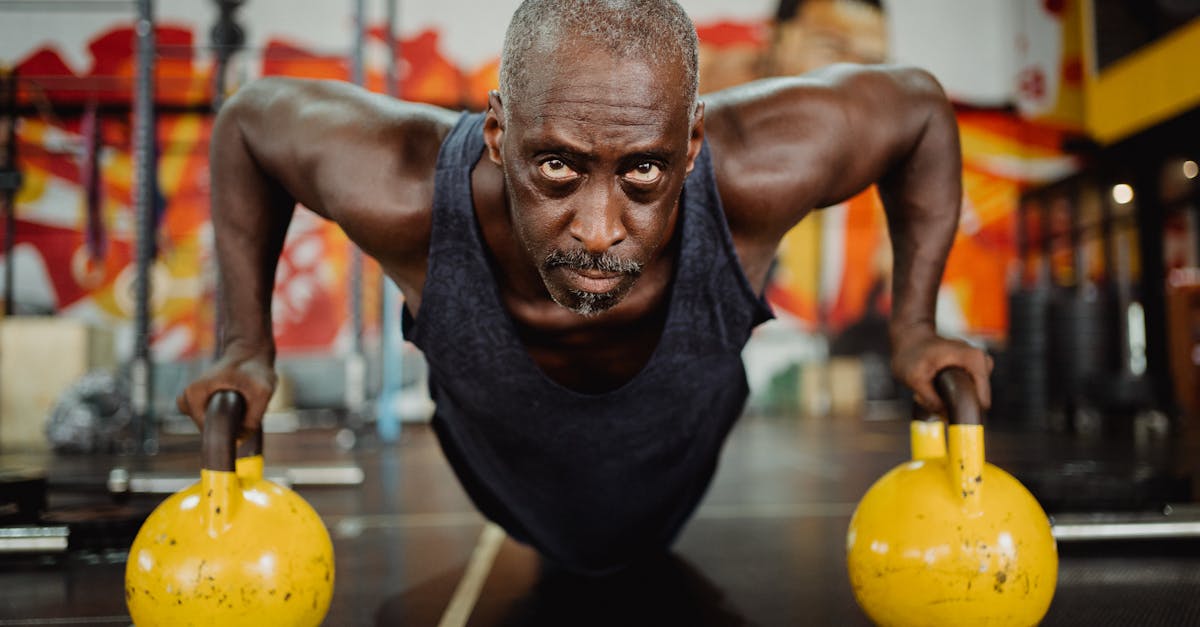
Functional training gear is another strong category. Kettlebells, medicine balls, sleds, battle ropes, and resistance bands are frequently available on the resale market, especially when studios refresh layouts. These items are relatively easy to inspect and usually cheap to replace if one piece fails.
A practical rule is to prioritize equipment where wear is visible and repair risk is predictable.
Best categories to buy used:
- Racks and rigs
- Free weights and plates
- Benches
- Plate-loaded machines
- Rowers and air bikes
- Motorized treadmills
- Complex multi-gyms with pulleys and electronics
- Smart connected bikes with subscription-dependent screens
What Prices Look Like in Today’s Market
Pricing in the used fitness market is driven by brand reputation, durability, local supply, and shipping difficulty. Heavy items such as dumbbell sets and plate-loaded machines often sell at larger discounts locally because transportation is expensive. By contrast, compact premium items with strong brand loyalty can retain surprising value. In many metro markets, used dumbbells sell for roughly $1 to $2 per pound depending on brand and coating, while Olympic plates often trade between $0.80 and $1.75 per pound. During the peak shortage years, those numbers were much higher, but they have cooled in most regions.
Commercial cardio equipment shows wider variance. A refurbished Life Fitness treadmill with delivery and a limited warranty may sell for $2,500 to $4,500, while a direct-from-owner model could be listed at $800 to $2,000. The cheaper option is not always the better one if moving, diagnostics, and repairs are on you. On the strength side, a used commercial adjustable bench that retails for $700 new may realistically sell for $300 to $450 if the upholstery is intact and the adjustment ladder is smooth.
The table below shows realistic ranges buyers commonly encounter. These are not fixed prices, but they are useful benchmarks for spotting overpriced listings or suspiciously cheap equipment that deserves extra scrutiny.
| Equipment Type | Typical New Price | Typical Used Price | What Drives Value |
|---|---|---|---|
| Power rack | $500 to $1,500 | $250 to $900 | Brand, gauge steel, included attachments |
| Adjustable bench | $250 to $700 | $125 to $450 | Pad condition, frame stability, brand |
| Olympic plates | $1.50 to $3 per lb | $0.80 to $1.75 per lb | Material, brand, local demand |
| Commercial treadmill | $3,000 to $10,000+ | $800 to $4,500 | Refurbishment, motor hours, console type |
| Rower | $900 to $1,600 | $500 to $1,100 | Monitor generation, chain and rail condition |
| Selectorized machine | $2,500 to $6,000 | $800 to $3,000 | Cable wear, upholstery, brand and age |
How to Inspect Used Equipment Before You Buy
A disciplined inspection process is what separates a bargain hunter from someone who accidentally buys a repair project. Start with the frame. Look for cracks at weld points, bent uprights, missing bolts, and corrosion around structural joints. Cosmetic scratches are normal. Structural damage is not. On benches and racks, physically shake the unit. Excessive wobble often signals loose hardware, stripped connection points, or poor assembly.
For barbells, roll the shaft on a flat surface to check for bending. Spin the sleeves and listen for grinding. Some resistance is normal depending on bushing or bearing design, but rough, uneven rotation is a warning. Plates and dumbbells are easier. Confirm weight markings, inspect handles for damage, and check whether rubber-coated units are splitting or shedding.
Cardio machines require a longer test. Run a treadmill at multiple speeds and incline settings for at least 10 minutes if possible. Listen for surging, belt hesitation, or burnt smells from the motor area. On rowers and bikes, inspect the monitor, resistance mechanism, and moving parts under load rather than just during idle operation.
Use this checklist every time:
- Ask for purchase date and maintenance records
- Confirm model number and parts availability
- Test every adjustment point and moving component
- Look for aftermarket repairs or missing safety covers
- Measure the space and doorways before transport
Where Smart Buyers Are Finding the Best Deals
The best source depends on what you are buying. For free weights and simple strength gear, local marketplaces usually win on price. Facebook Marketplace, Craigslist, OfferUp, and community resale groups often have the lowest raw numbers because sellers want equipment gone quickly and shipping is impractical. The downside is inconsistency. You may find a mint set of urethane dumbbells on Monday and total junk by Wednesday.
For commercial pieces, specialized refurbishers and gym liquidation companies are often worth the premium. These businesses typically clean, inspect, replace wear items, and offer short warranties. If you are buying for a training studio or apartment fitness room, that support matters. A bargain treadmill that fails in a shared-use environment is not a bargain for long.
Auctions are another underused channel. Hotel gyms, corporate wellness centers, universities, and closed franchises sometimes liquidate in bulk. Buyers with a truck, labor help, and a willingness to move quickly can save thousands. The tradeoff is timing and uncertainty. Inventory turns fast, and some lots are sold as-is.
Here is how the main channels compare in practice.
| Source | Best For | Main Advantage | Main Risk |
|---|---|---|---|
| Local marketplaces | Weights, racks, benches | Lowest prices and negotiation room | No warranty and variable condition |
| Refurbished equipment dealers | Commercial cardio and selectorized machines | Inspection, service, possible warranty | Higher purchase price |
| Gym liquidations and auctions | Bulk buys and commercial pieces | Deep discounts on premium brands | As-is sales and fast removal timelines |
| Play It Again Sports and similar resellers | Mixed home gym basics | Can inspect in person | Pricing may be less aggressive |
| Direct from gyms or trainers | Commercial-grade strength gear | Known usage history in some cases | Heavy wear if maintenance was poor |
When Buying Used Is Smart and When New Is Worth It
Used equipment is not automatically the right answer. It is smart when durability is high, replacement parts are available, and the discount is meaningful enough to justify the lack of a full warranty. If you can buy a commercial flat bench at 50 percent off retail and it has another decade of life, that is a textbook used-equipment win. The same logic applies to plates, racks, and most non-motorized gear.
Buying new makes more sense when safety tolerance is low, technology matters, or financing and support have real value. For example, if you need a treadmill for frequent running and cannot tolerate downtime, a new model with delivery, setup, and a multi-year parts warranty may be the better long-term buy. The same goes for specialty rehab equipment or connected devices where software access is central to the experience.
A simple decision framework helps:
- Buy used if the item is mechanically simple, heavily overbuilt, and easy to inspect
- Consider new if the item depends on electronics, proprietary software, or hidden internal wear
- Compare total ownership cost, not just sticker price
- Factor in transport, flooring, repairs, and accessories
- Prioritize used strength equipment first because it usually offers the best value-to-risk ratio
- Be cautious with older motorized cardio unless maintenance history is excellent
- Benchmark local prices before negotiating so you know what a real deal looks like
- Test equipment in person whenever possible and budget for moving costs
- Pay more for refurbished commercial gear when uptime actually matters
Conclusion: Build Smarter, Not Just Cheaper
Used gym equipment can absolutely save you money without sacrificing quality, but only when you buy with a clear strategy. Focus first on categories that age well, especially racks, benches, barbells, plates, and other simple strength tools. Be more selective with cardio, where hidden wear and electronics can erase savings quickly. Compare asking prices against local market norms, inspect every major component, and do not overlook delivery, assembly, and repair costs.
Your next step is practical: make a shortlist of the equipment you actually need, set a target price range for each item, and decide in advance which categories you are comfortable buying used versus new. Then monitor local listings, liquidation channels, and refurbishers for two to three weeks before purchasing. That patience alone can save hundreds, sometimes thousands. A well-built gym is not about paying retail for everything. It is about knowing where secondhand value is real and where cutting corners is false economy.
Published on .
Share now!
CF
Chloe Flynn
Author
The information on this site is of a general nature only and is not intended to address the specific circumstances of any particular individual or entity. It is not intended or implied to be a substitute for professional advice.