Published on:
10 min read
Scar Removal Trends: What Actually Works Today
Scar treatment has changed dramatically in the last decade, but the biggest shift is not that there is finally one perfect solution. It is that dermatologists now match treatments much more precisely to scar type, skin tone, timing, and budget. This article breaks down what is actually working today for acne scars, surgical scars, keloids, and post-inflammatory marks, and what is mostly marketing hype. You will learn when silicone gels outperform expensive creams, why microneedling is often recommended before aggressive lasers for darker skin tones, how combination treatment plans are delivering better outcomes than single procedures, and what realistic timelines look like. If you are trying to spend wisely and avoid disappointment, this guide gives you practical, evidence-based direction on where to start, what to ask a dermatologist, and how to choose the right scar strategy for your skin.
- •Why scar treatment is finally getting more effective
- •The first rule: match the treatment to the scar you actually have
- •What topical scar treatments genuinely help, and what tends to disappoint
- •The in-office treatments getting the best results right now
- •The biggest trends in 2025: personalized plans, skin-tone safety, and less hype
- •Key takeaways: how to choose the right scar plan without wasting money
- •Conclusion: the best scar treatment is the one that fits your scar, skin, and patience
Why scar treatment is finally getting more effective
Scar removal is having a moment, but not because scars can now be erased completely. The real trend is smarter treatment selection. In dermatology clinics today, the most effective results usually come from identifying the exact scar type first, then combining therapies instead of relying on a single miracle product. That matters because a raised keloid, an indented acne scar, and a flat red surgical scar behave very differently under treatment.
A big reason patients are seeing better outcomes is earlier intervention. For example, many plastic surgeons now recommend silicone sheets within about two weeks of wound closure, once the skin surface has sealed. That is a shift from the old wait-and-see approach. Research over the past two decades has consistently supported silicone as a first-line treatment for preventing hypertrophic scars and improving scar texture and color.
At the same time, in-office procedures have become more customized. Fractional lasers, radiofrequency microneedling, steroid injections, vascular lasers, and subcision are often stacked strategically over several months. In real life, that could mean a patient with acne boxcar scars gets subcision first, then a series of microneedling sessions, and only later considers laser resurfacing.
What has not changed is the need for patience. Collagen remodeling can continue for 6 to 18 months, depending on the scar and treatment method. That timeline surprises people who expect skincare-speed results. Why it matters: if you understand that scar revision is a process, not a quick fix, you are less likely to waste money on overpromising products and more likely to choose treatments that actually fit your skin, scar type, and tolerance for downtime.
The first rule: match the treatment to the scar you actually have
The most common reason scar treatment fails is simple misclassification. People often call everything a scar, but a dark acne mark, a pitted scar, and a thick raised scar are not the same problem. Post-inflammatory hyperpigmentation, common after acne or eczema, is pigment left behind after inflammation. It is not a true textural scar, so bleaching agents, retinoids, azelaic acid, and sunscreen may help more than any procedure.
True acne scars usually fall into three major groups: ice pick, boxcar, and rolling. Ice pick scars are narrow and deep, so they often respond best to techniques like TCA CROSS rather than basic microneedling alone. Rolling scars are tethered beneath the skin, which is why subcision is often a better starting point. Boxcar scars may improve with fractional laser, microneedling, chemical reconstruction, or punch techniques depending on depth.
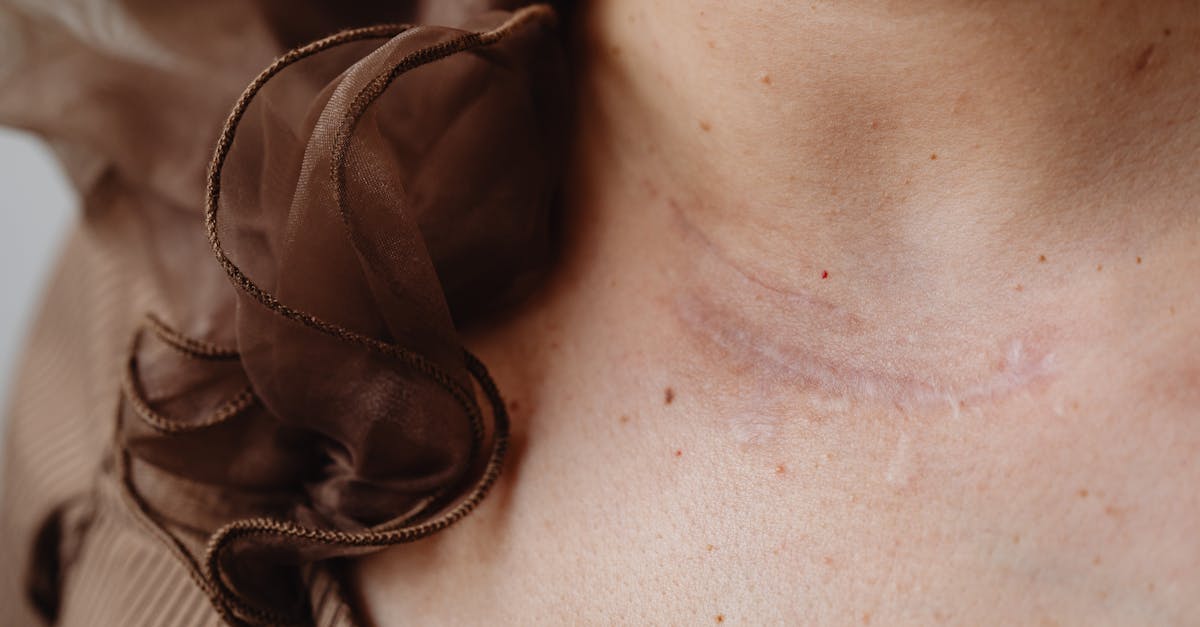
Raised scars need a different approach entirely. Hypertrophic scars stay within the wound border, while keloids grow beyond it and are notoriously stubborn. In those cases, dermatologists commonly use steroid injections, sometimes paired with 5-fluorouracil, cryotherapy, laser, or pressure therapy.
Pros of proper scar typing:
- Saves money by avoiding treatments that cannot address the actual problem
- Reduces risk of worsening pigmentation or irritation
- Helps set realistic timelines and expectations
- You may treat pigment like texture and see no improvement
- You can aggravate darker skin with the wrong laser choice
- Delay makes some newer scars harder to optimize
What topical scar treatments genuinely help, and what tends to disappoint
Topicals are where marketing often outruns evidence. The best-supported option for many fresh surgical or injury-related scars is still silicone, either as sheets or gels. Silicone does not work because it is exotic. It works because it creates an occlusive barrier, helps regulate hydration, and may reduce excess collagen signaling in healing skin. In practice, many dermatologists suggest wearing silicone sheets 12 to 24 hours a day for at least 2 to 3 months for newer scars.
Onion extract gels remain popular in drugstores, but the evidence is mixed and generally less convincing than silicone. Vitamin E is another classic recommendation that sounds harmless but can cause contact dermatitis in some users. A 2015 review in Aesthetic Plastic Surgery and other literature reviews have found inconsistent benefit from many over-the-counter scar creams beyond basic moisturization and massage.
For post-acne discoloration rather than textural scars, ingredients matter more. Retinoids can improve cell turnover and collagen signaling. Azelaic acid can help with both acne and residual marks. Tranexamic acid and niacinamide are increasingly used in pigmentation-focused routines, especially for patients trying to avoid aggressive procedures.
Pros of topicals:
- Lower cost than in-office procedures
- Useful for early scars and pigment issues
- Minimal downtime and easy home use
- Limited impact on deep indented scars
- Require consistent use for months
- Many products are overpriced for what they actually do
The in-office treatments getting the best results right now
If a scar is indented, tethered, thick, or long-standing, procedures usually do the heavy lifting. One of the strongest trends today is combination care. Dermatologists rarely rely on one device for every scar because scars form at different depths. A patient with rolling acne scars, for example, may see meaningful change only after subcision releases fibrous bands underneath the skin. After that, microneedling or fractional laser can improve surface texture.
Microneedling remains popular because it offers a relatively favorable balance of cost, downtime, and safety, especially for a wider range of skin tones. Typical pricing in the U.S. runs roughly $250 to $700 per session depending on geography and whether radiofrequency is added. Most people need 3 to 6 sessions. Fractional ablative lasers can produce stronger results for some scars but usually involve more downtime and greater pigment risk in melanin-rich skin when used without careful planning.
For red scars, pulsed dye laser can reduce vascular redness. For raised hypertrophic scars and keloids, intralesional steroid injections remain a workhorse treatment, often done every 4 to 6 weeks. Surgical scar revision can also help in selected cases, but surgery alone may trigger recurrence if the scar has keloid behavior.
Pros of procedures:
- Better improvement for textural scars than creams alone
- Can target redness, thickness, or tethering specifically
- Combination plans often outperform single treatments
- Costs add up quickly across multiple sessions
- Downtime and temporary redness are common
- The wrong treatment can worsen pigmentation or create false expectations
The biggest trends in 2025: personalized plans, skin-tone safety, and less hype
The most important scar trend right now is personalization. Ten years ago, many patients were pushed toward aggressive resurfacing as a default answer. Today, good clinicians look at scar age, location, skin tone, lifestyle, and history of pigmentation before recommending anything. That shift matters especially for patients with Fitzpatrick skin types IV to VI, who face a higher risk of post-inflammatory hyperpigmentation after procedures.
A second major trend is the move toward lower-downtime collagen remodeling. Radiofrequency microneedling, conservative fractional treatments, and staged protocols are often chosen over one dramatic session. This is partly practical. Many adults cannot take a full week off work for peeling and redness. They would rather improve 30 to 50 percent over several visits than disappear socially for ten days.
There is also more honesty around what scar improvement means. In real practice, 50 to 70 percent improvement can be an excellent result for moderate acne scarring. Patients who expect perfectly smooth skin are often disappointed, even after technically successful treatment. Better clinics are getting more transparent about this upfront.
Another trend is combining clinic care with prevention. Daily broad-spectrum SPF 30 or higher is now emphasized not just for anti-aging, but because UV exposure can make scars stay darker or redder for longer. Smoking cessation, acne control, and early wound care are increasingly framed as part of scar treatment, not separate issues.
Why it matters: the scar industry is finally becoming a little less about miracle claims and a little more about tailored, realistic plans. That is good news for patients, because realistic medicine tends to produce better outcomes than trend-driven promises.
Key takeaways: how to choose the right scar plan without wasting money
If you want practical results, start with a decision framework instead of a shopping spree. First, identify whether your issue is color, texture, thickness, or a mix of all three. If the skin is flat but dark, focus on pigment management and sun protection before booking resurfacing. If the scar is indented, you likely need a procedure. If it is raised or itchy, get evaluated early because keloids and hypertrophic scars respond best before they become longstanding.
A useful step-by-step approach looks like this:
- Take clear photos in the same lighting once a month so you can judge progress objectively
- Use daily SPF 30 or higher on exposed scars to prevent lingering discoloration
- For new surgical scars, ask your doctor whether silicone gel or sheets are appropriate once the wound is closed
- For acne scars, book a dermatologist or cosmetic consult specifically asking what scar subtype you have
- Request a staged treatment plan with expected improvement percentages, total cost range, and downtime
- Avoid clinics that promise complete scar removal
Conclusion: the best scar treatment is the one that fits your scar, skin, and patience
What actually works today is not one universal scar remover. It is a tailored plan built around the kind of scar you have, how long it has been there, and how your skin responds to treatment. Silicone remains one of the best-supported choices for newer scars. For acne and textural scars, procedures such as subcision, microneedling, lasers, and injections often work best in combination rather than isolation.
Your next step should be simple: classify the scar correctly, protect it from sun exposure, and choose evidence-based treatment instead of hype. If your scar is changing, raised, painful, or affecting your confidence significantly, get a dermatologist's assessment rather than experimenting for months. The goal is not perfect skin overnight. It is steady, visible improvement with fewer mistakes, smarter spending, and a plan you can realistically stick with.
Published on .
Share now!
AJ
Aurora Jameson
Author
The information on this site is of a general nature only and is not intended to address the specific circumstances of any particular individual or entity. It is not intended or implied to be a substitute for professional advice.