Published on:
10 min read
Brow Lift Trends: What’s Changing in 2026 and Why
Brow lifts are no longer defined by the dramatic, tightly pulled look many patients still associate with forehead surgery. In 2026, the conversation has shifted toward subtle elevation, customized brow shaping, shorter recovery paths, and a stronger focus on facial balance rather than simply “lifting” tissue upward. This article breaks down what is actually changing, from the rise of endoscopic techniques and combination treatments to the growing influence of social media aesthetics, male grooming demand, and more realistic patient expectations. You’ll also find practical guidance on who may benefit, what trade-offs to consider, how prices and recovery can vary, and which trends are likely to matter long after this year. If you are researching a brow lift for cosmetic or functional reasons, this guide will help you ask better questions and avoid decisions based on hype alone.

- •Why brow lifts are being redefined in 2026
- •The procedures gaining ground and the ones losing favor
- •Combination treatments are replacing the one-and-done approach
- •What patients are prioritizing now: natural movement, shorter downtime, and better screening
- •How cost, social media, and demographics are reshaping demand
- •Key takeaways: how to decide if a 2026 brow lift trend actually fits you
- •Conclusion
Why brow lifts are being redefined in 2026
The biggest shift in brow lifts in 2026 is philosophical, not just technical. Surgeons are moving away from the old “higher is better” mindset and toward a more nuanced goal: restoring brow position in a way that fits the patient’s age, anatomy, and expressions. That matters because a brow that is lifted too much can create the surprised look patients fear most. In contrast, a well-planned brow lift may only move the brow a few millimeters, yet still make the upper face look less tired and less heavy.
This change is happening partly because patients are arriving more informed. They bring filtered selfies, celebrity references, and before-and-after screenshots, but they also ask smarter questions about scar placement, downtime, and whether surgery will still look natural on video calls. Surgeons report that many consultations now focus on “refreshing” rather than “changing” the face. In practical terms, that means preserving brow shape, maintaining forehead movement when possible, and treating asymmetry more carefully.
There is also a demographic shift. Brow lift interest is expanding beyond women in their 50s and 60s. Patients in their late 30s and 40s are increasingly seeking early intervention, especially when heavy brows make them look angry or exhausted. Men are also showing more interest, though they typically prefer flatter, less arched outcomes.
Why it matters: the modern brow lift is less about one standard result and more about precision. Patients who understand that trend are better positioned to evaluate surgeons based on judgment and restraint, not just dramatic before-and-after photos.
The procedures gaining ground and the ones losing favor
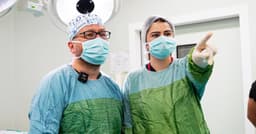
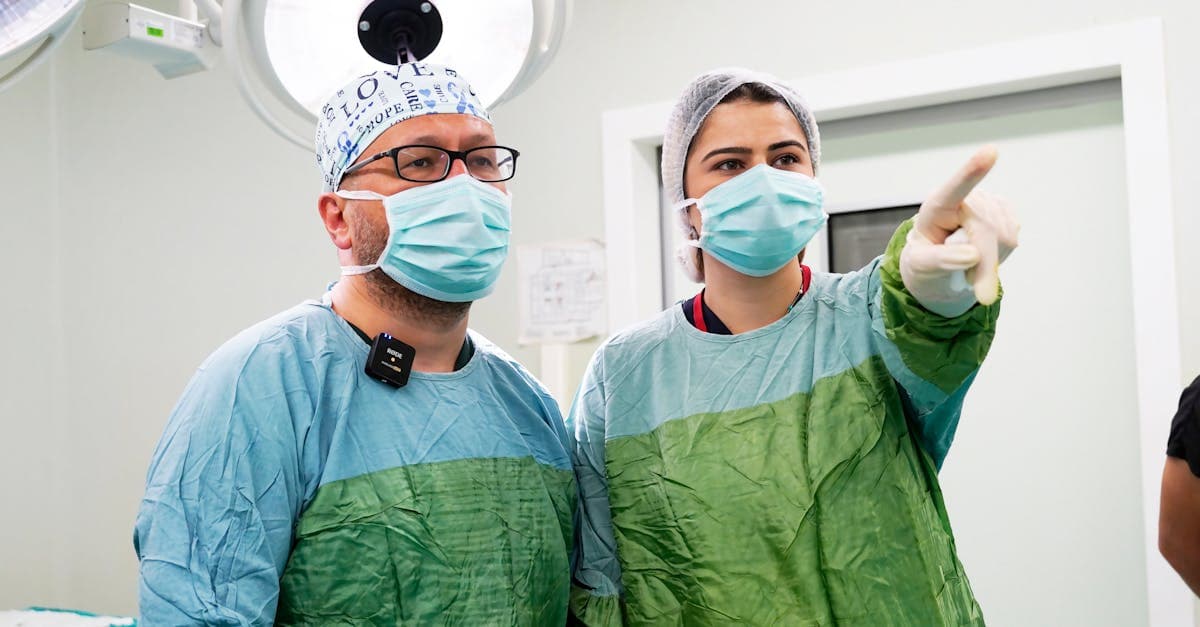
In 2026, endoscopic brow lifts continue to dominate discussion because they balance effectiveness with smaller incisions and generally faster recovery than older open approaches. The technique uses a camera and small scalp incisions to release and reposition brow tissues with less visible scarring. For the right patient, especially someone with mild to moderate brow descent and decent skin elasticity, it can deliver a smoother upper face without the stigma of looking “done.”
Hairline and temporal brow lifts are also gaining traction because they allow more customization. A temporal lift can help elevate the outer brow, which is often where hooding is most noticeable. A hairline approach may be more useful for patients with a high forehead who do not want additional forehead length.
Meanwhile, the classic coronal brow lift is less common in aesthetic cases. It can still be appropriate in select situations, but many surgeons reserve it for cases requiring significant correction because it typically involves a longer incision and a greater recovery burden.
Pros and cons are becoming a bigger part of consultations:
- Endoscopic lift pros: smaller scars, often less numbness, shorter recovery in many cases
- Endoscopic lift cons: not ideal for every anatomy, may offer limited correction in severe brow ptosis
- Temporal lift pros: targeted outer-brow improvement, often less invasive
- Temporal lift cons: does not address the whole forehead equally
- Hairline lift pros: can avoid raising the hairline further
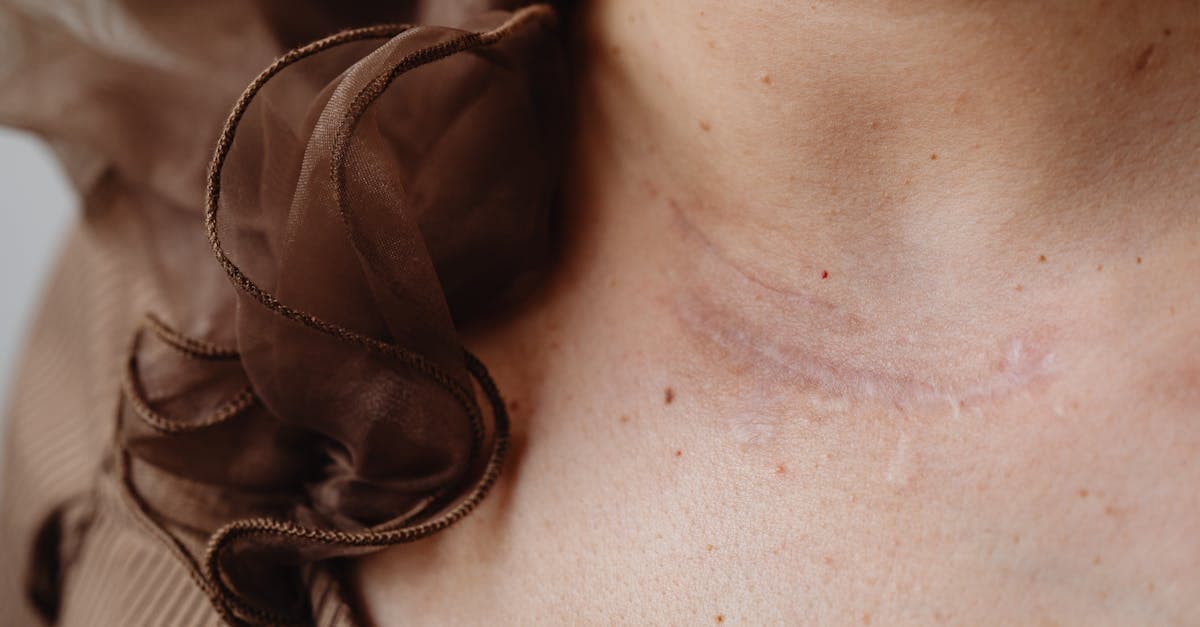
- Hairline lift cons: scar visibility depends heavily on healing and hairstyle
Combination treatments are replacing the one-and-done approach
One of the clearest trends in 2026 is that brow lifts are increasingly planned as part of a broader upper-face strategy. Many patients do not actually need a standalone brow lift. They may need a brow lift plus upper blepharoplasty, or they may need blepharoplasty without a brow lift at all. This distinction matters because the wrong procedure plan can create an unnatural result or leave the real source of heaviness untreated.
A common real-world scenario is the patient who thinks they have “eyelid skin” when the bigger issue is a descended brow pushing tissue downward. In that case, removing too much eyelid skin without addressing brow position can make the eye area look hollow or overoperated. On the other hand, a patient with good brow position but true upper-lid redundancy may get little benefit from a brow lift alone.
Non-surgical options are also being folded into surgical planning. Neuromodulators can soften glabellar frown lines, while laser resurfacing or radiofrequency treatments may improve skin quality after surgery. Some surgeons now stage treatment across months instead of trying to solve every concern in one day.
This more integrated approach has clear trade-offs:
- Pros: more harmonious results, better treatment matching, often higher patient satisfaction
- Cons: higher total cost, more planning, potential for multiple recovery periods
What patients are prioritizing now: natural movement, shorter downtime, and better screening
If you compare consultations in 2026 with those from a decade ago, three patient priorities stand out: natural expression, manageable recovery, and confidence in surgeon selection. The average patient is less impressed by a dramatic lift and more interested in whether they will still look like themselves in candid photos and in motion. That shift has pushed surgeons to discuss vectors of lift, brow symmetry, and forehead muscle function in much greater detail.
Downtime is another major decision factor. Many patients now work hybrid schedules and try to time procedures around camera-off weeks rather than full leave blocks. While recovery varies, many patients can appear socially presentable within 10 to 14 days after a less invasive brow lift, though swelling and tightness may continue longer. That practical timeline influences procedure choices as much as aesthetics do.
Screening has also improved because online research is more sophisticated. Patients increasingly check whether a surgeon is board certified, how often they perform brow procedures, and whether before-and-after galleries include similar facial anatomy. A surgeon who shows only extreme transformations is no longer automatically appealing.
Smart consultation questions in 2026 often include:
- How will this affect my natural brow shape?
- Do I need a brow lift, an eyelid procedure, or both?
- Where will scars sit if I wear my hair pulled back?
- What is your revision rate for brow and upper-face procedures?
- How long until I look normal on video and in person?
How cost, social media, and demographics are reshaping demand
Price transparency is becoming a bigger issue in 2026 because patients are comparison shopping more aggressively. In major U.S. metro areas, a brow lift may range from roughly 4,500 dollars to 12,000 dollars or more depending on the surgeon, facility fees, anesthesia, and whether related procedures are bundled. That wide spread has made patients more cost-conscious, but also more aware that the cheapest quote can be misleading if revision risk is higher or follow-up care is limited.
Social media is influencing demand in contradictory ways. On one hand, short-form video has made subtle upper-face rejuvenation more visible. People notice brow asymmetry, hooding, and heavy frown dynamics on camera in ways they may not in a mirror. On the other hand, social platforms have created unrealistic expectations through filtered skin, edited foreheads, and post-op timelines that skip the messy middle of recovery.
Demographically, interest is broadening. Men are a notable growth segment because a low brow can signal fatigue or irritability in professional settings. Patients from diverse ethnic backgrounds are also asking more specifically for preservation of identity, not Westernized or overly arched outcomes. That is an important correction to older aesthetic standards.
The practical pros and cons of this new demand environment are mixed:
- Pros: better patient education, more personalized goals, greater openness about recovery and cost
- Cons: more trend-chasing, price confusion, and pressure to compare oneself to altered online images
Key takeaways: how to decide if a 2026 brow lift trend actually fits you
If there is one practical lesson from 2026’s brow lift trends, it is that personalization beats popularity. The “best” brow lift is not the newest technique or the one attached to the most dramatic transformation online. It is the option that matches your brow position, forehead height, hairline, skin quality, and tolerance for recovery.
Start with self-assessment. Look at relaxed photos, not raised-brow selfies. If your upper lids feel heavy, ask whether the brow has dropped, the eyelid skin has stretched, or both. Those are different problems and they often need different solutions.
Use these practical tips before booking surgery:
- Collect 3 to 5 photos of yourself from 5 to 10 years ago, in neutral expression and natural light
- Bring examples of results you like, but explain why you like them rather than naming a celebrity
- Ask for a breakdown of surgeon fee, facility fee, anesthesia, and follow-up costs
- Request before-and-after cases with patients who share your forehead shape, hairline, age range, or gender goals
- Clarify what recovery looks like at day 7, day 14, and day 30, not just “full healing”
- Ask what happens if asymmetry persists or if revision is needed
Conclusion
Brow lift trends in 2026 are moving in a healthier direction: less exaggeration, more customization, and a stronger emphasis on natural expression. The most meaningful changes are not flashy technologies but better planning, smarter patient screening, and more realistic expectations about what surgery can and cannot do. If you are considering a brow lift, your next step should be practical. Review your goals using neutral photos, research surgeons who perform upper-face procedures regularly, and book consultations focused on anatomy rather than hype. Ask whether you need a brow lift, blepharoplasty, or a staged combination plan. The best outcome in 2026 is not a trendy brow. It is a result that fits your face, heals predictably, and still looks right years from now.
Published on .
Share now!
HB
Hazel Bennett
Author
The information on this site is of a general nature only and is not intended to address the specific circumstances of any particular individual or entity. It is not intended or implied to be a substitute for professional advice.