Published on:
10 min read
Pergola Pavilion Installation Trends Homeowners Love
Pergolas and pavilions have moved far beyond basic backyard shade structures. Today’s most successful installations blend design, function, and property value, with homeowners prioritizing features like motorized louvers, integrated lighting, outdoor kitchens, and weather-ready materials that reduce maintenance while extending usable living space. This article breaks down the installation trends gaining traction with real homeowners, including what drives demand, where people overspend, and which upgrades actually improve comfort and resale appeal. You’ll find practical guidance on layout planning, material selection, budget tradeoffs, and common mistakes that can turn an attractive backyard project into a costly headache. Whether you are considering a compact patio pergola or a full pavilion built for year-round entertaining, this guide will help you understand which trends are worth adopting and how to make smarter installation decisions from the start.
- •Why Pergolas and Pavilions Are Having a Major Backyard Moment
- •The Most Popular Design Trends Homeowners Are Actually Choosing
- •Materials Homeowners Prefer Now, and the Tradeoffs They Often Miss
- •Smart Features and Comfort Upgrades That Make Installations Feel Worth the Money
- •Budgeting Trends: Where Homeowners Splurge, Where They Save, and What Delivers Real Value
- •Key Takeaways: How to Plan a Pergola or Pavilion You Will Still Love in Five Years
- •Conclusion
Why Pergolas and Pavilions Are Having a Major Backyard Moment
Homeowners are no longer treating the backyard as leftover space. Over the last several years, outdoor living has become a core home-improvement priority, and pergolas and pavilions sit at the center of that shift. The reason is practical: they create defined outdoor rooms without the cost of a full addition. Industry surveys from remodeling and landscape groups consistently show strong consumer interest in usable exterior spaces, especially projects that support dining, lounging, and multiseason entertaining. In many suburban markets, a well-designed covered structure can also improve buyer perception because it makes the yard feel finished rather than empty.
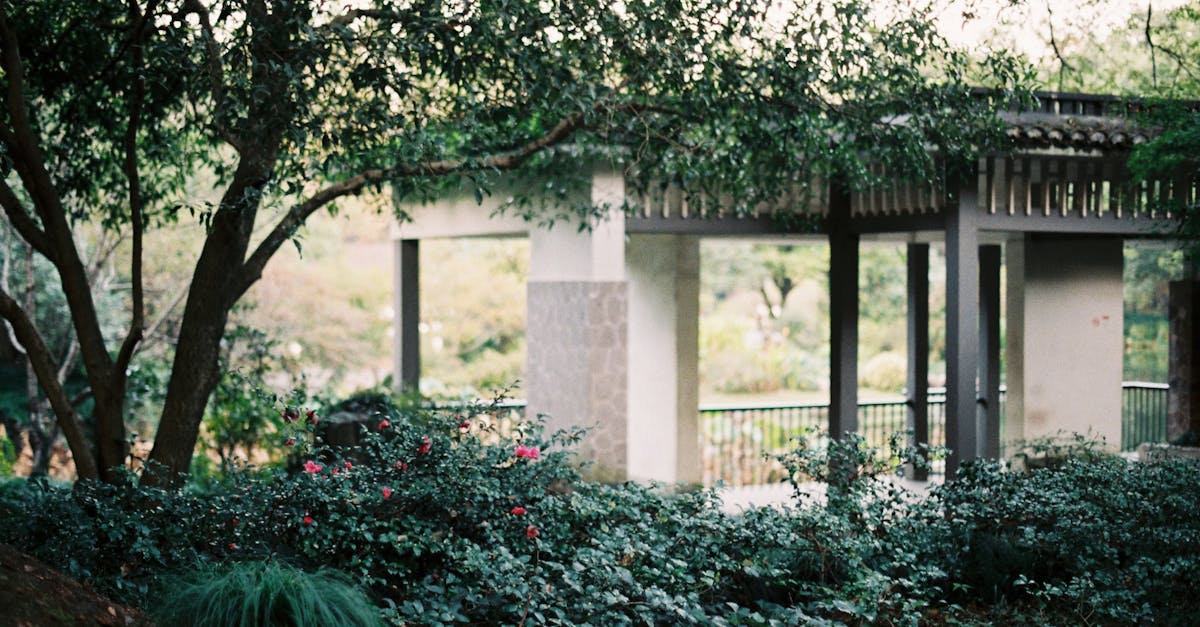
Pergolas appeal to homeowners who want filtered light, visual structure, and flexibility. Pavilions attract people who want stronger weather protection, ceiling fans, mounted lighting, and a more architectural look. A family in Charlotte might install a cedar pergola over a 14-by-16 paver patio for summer dining, while a homeowner in Phoenix may choose an aluminum louvered system to control intense afternoon sun. In the Midwest, pavilions are popular near pools because they create shelter from both sun and sudden rain.
Why it matters is simple: these structures change behavior. People use their yard more when it feels comfortable and intentional. The most loved installations are not the biggest ones. They are the ones sized correctly for real life, such as seating six adults comfortably, covering a grill station, or creating a shaded zone near a back door. Trendy design gets attention, but function keeps the structure valuable year after year.
The Most Popular Design Trends Homeowners Are Actually Choosing
The biggest installation trend is the move from decorative-only pergolas to high-function outdoor living systems. Ten years ago, many pergolas were simple wood frames with little more than climbing plants overhead. Today, homeowners want structures that solve comfort problems. That includes motorized louvers, retractable canopies, privacy screens, built-in heaters, and dimmable LED lighting. Dark finishes are especially popular because matte black and bronze read as modern while pairing well with brick, stone, stucco, and fiber-cement exteriors.
Another major trend is matching the structure to the architecture of the house. A pavilion with a hip roof often looks right at home behind a traditional colonial or farmhouse, while a streamlined flat-roof pergola suits contemporary builds. Scale matters more than people realize. A structure that is too small feels like an afterthought, but one that overwhelms the patio can make the yard feel cramped. Many installers now recommend leaving at least 3 feet of circulation space around dining furniture and 18 to 24 inches between posts and major furniture edges.
Homeowners also love integrated lifestyle zones. Instead of one generic covered space, they create purpose-built areas, such as:
- a lounge zone with sectional seating and a fire table
- a dining zone with a fan and pendant lighting
- a grill or outdoor kitchen zone with ventilation clearance
- Better day-to-day usability
- Easier furniture planning
- Stronger visual organization
- Higher electrical and installation costs
- More permitting complexity
- Less flexibility if lifestyle needs change later
Materials Homeowners Prefer Now, and the Tradeoffs They Often Miss
Material choice is one of the most important trend decisions because it affects maintenance, lifespan, appearance, and cost. Cedar remains a favorite for homeowners who want warmth and natural character. It looks especially good in craftsman, farmhouse, and transitional yards, and it can weather beautifully when maintained properly. But wood is no longer the default. Powder-coated aluminum has surged because it resists rot, insects, and warping while delivering a cleaner modern profile. Vinyl still appeals in some markets because it is low maintenance, although many homeowners find it less premium-looking than stained wood or heavy-gauge aluminum.
The tradeoffs become clear a few years after installation. A cedar pergola may look stunning on day one, but if it is not sealed and maintained, color fading and surface checking can show up faster than expected in harsh climates. Aluminum systems cost more upfront, yet many owners accept the premium because they avoid regular staining and often support add-ons like louvers or motorization more easily.
Common pros and cons homeowners should weigh:
- Cedar pros: rich appearance, customizable, widely available
- Cedar cons: ongoing maintenance, vulnerability to moisture issues if neglected
- Aluminum pros: low maintenance, modern look, excellent durability
- Aluminum cons: higher initial cost, less natural warmth
- Vinyl pros: easy upkeep, decent value
- Vinyl cons: limited upscale appeal, fewer design nuances
Smart Features and Comfort Upgrades That Make Installations Feel Worth the Money
One reason pergola and pavilion projects feel more satisfying today is that homeowners are investing in comfort upgrades that directly affect how often the space gets used. The highest-value add-ons are not always the flashiest. Ceiling fans, outdoor-rated lighting, and shade management tend to outperform purely decorative upgrades because they improve comfort during the hours when people actually want to be outside. In hot regions, even a simple fan can make a noticeable difference in perceived comfort by improving air movement. In many cases, that matters more than adding another accent feature.
Motorized louvered roofs are a fast-growing trend because they allow homeowners to shift between sunlight and rain protection. They are especially popular for patios attached to the house, where people want dining coverage without losing all natural light. Integrated lighting is another favorite. Warm LED strips tucked into beams or rafters create a polished look and extend usability well into the evening. Some homeowners also install Bluetooth speakers, infrared heaters, or roll-down privacy screens to make the structure more versatile through changing seasons.
These upgrades do have tradeoffs:
- Pros: better comfort, longer daily use, stronger entertainment appeal
- Pros: can make a structure feel custom instead of basic
- Cons: electrical work adds cost quickly
- Cons: more components mean more maintenance or repair risk
Budgeting Trends: Where Homeowners Splurge, Where They Save, and What Delivers Real Value
Budget conversations around pergolas and pavilions have become more sophisticated because homeowners are comparing these projects against decks, sunrooms, and kitchen remodels. A basic pergola kit might start in the low thousands, while a custom pavilion with electrical work, premium roofing, and stone columns can move well into five figures. In many markets, a professionally installed pergola often lands somewhere around $5,000 to $15,000 depending on size and materials, while pavilions frequently exceed that because they require a more substantial roof structure and sometimes deeper footings or upgraded permits.
The smartest spending trend is prioritizing what cannot be easily changed later. Footings, post placement, roof structure, drainage planning, and electrical rough-ins deserve the budget first. Decorative elements can often wait. Homeowners who overspend early on surface finishes sometimes regret not planning for practical infrastructure, especially if they later want fans, heaters, or an outdoor kitchen.
Spending priorities that usually pay off:
- professional site prep and drainage correction
- strong, code-compliant anchoring and foundations
- electrical conduit or wiring planned before finishes go in
- durable roofing or shade-control systems matched to climate
- buying furniture after the structure is completed instead of all at once
- using gravel or simple planting beds instead of expensive hardscape expansion
- delaying premium audio or decorative screens
Key Takeaways: How to Plan a Pergola or Pavilion You Will Still Love in Five Years
The best pergola and pavilion projects start with behavior, not pictures. Before choosing a style, homeowners should ask how the space will be used on a normal week. Is it mainly for family dinners, poolside shade, remote work, or weekend entertaining? That answer should drive the size, orientation, and feature list. A 12-by-12 pergola may look great in a catalog, but it can feel tight once you add a table, chairs, and movement space. Measure furniture footprints before finalizing any design.
A few practical planning tips make a big difference:
- Track sun patterns for several days before choosing placement
- Check sight lines from indoor rooms so the structure improves the view
- Verify setbacks, HOA rules, and permit requirements early
- Budget for lighting and outlets from the start, even if you install fixtures later
- Match materials to climate and maintenance tolerance, not trends alone
Conclusion
Pergola and pavilion installation trends are moving in a clear direction: homeowners want outdoor structures that do more than look attractive in listing photos. The projects people love most combine smart layout planning, climate-appropriate materials, and comfort features that make the space usable on ordinary days, not just special occasions. If you are planning your own project, start by defining the purpose of the space, then invest in structure, placement, and utilities before decorative extras. Review local codes, study sun and drainage patterns, and choose materials based on how much upkeep you are honestly willing to handle. Done well, a pergola or pavilion can become one of the most-used areas of your property and one of the improvements you appreciate every season.
Published on .
Share now!
JW
James Walker
Author
The information on this site is of a general nature only and is not intended to address the specific circumstances of any particular individual or entity. It is not intended or implied to be a substitute for professional advice.