Published on:
10 min read
Outdoor Pool Trends: 7 Stylish Ideas for Modern Backyards
A modern pool is no longer just a rectangle filled with water. Today’s best backyard designs blend architecture, energy efficiency, wellness features, and resort-level comfort into one outdoor living space. In this guide, you’ll find seven current outdoor pool trends that are shaping high-end and practical backyard projects alike, from tanning ledges and dark interior finishes to integrated spas, smart automation, and landscape-first design. Along the way, you’ll also get real-world planning advice on costs, maintenance tradeoffs, safety, and which ideas actually improve daily use versus those that mainly photograph well. Whether you are building from scratch or updating an older pool, this article will help you prioritize features that look contemporary, function better, and make your backyard feel intentionally designed rather than pieced together over time.
- •Why modern pool design is shifting from standalone feature to full outdoor living zone
- •Trend 1 and 2: geometric pool shapes and dark interior finishes that create a luxury look
- •Trend 3 and 4: tanning ledges, Baja shelves, and integrated spas designed for everyday use
- •Trend 5 and 6: smart automation, efficient equipment, and lighting that transforms the space after dark
- •Trend 7: landscape-first pool design with natural texture, privacy screening, and heat-smart materials
- •Key takeaways: how to choose the right trends for your budget, climate, and long-term plans
- •Conclusion
Why modern pool design is shifting from standalone feature to full outdoor living zone
The biggest shift in outdoor pool design is conceptual, not cosmetic. Homeowners are no longer treating the pool as a separate amenity tucked behind the house. Instead, the pool is becoming the visual and functional center of a larger outdoor room that includes dining, shade structures, fire features, kitchens, and lounge zones. That change matters because the most stylish pools now succeed through integration, not decoration. A sleek pool can still feel dated if the patio, lighting, and landscaping look unrelated.
This trend is partly driven by lifestyle changes. Since 2020, more homeowners have invested heavily in outdoor spaces they actually use several days a week, not just during occasional parties. Remodeling industry surveys have repeatedly shown strong consumer interest in exterior upgrades, especially projects that combine entertainment and wellness value. In practical terms, a pool that supports morning exercise, family downtime, and evening entertaining delivers a better return on both money and square footage.
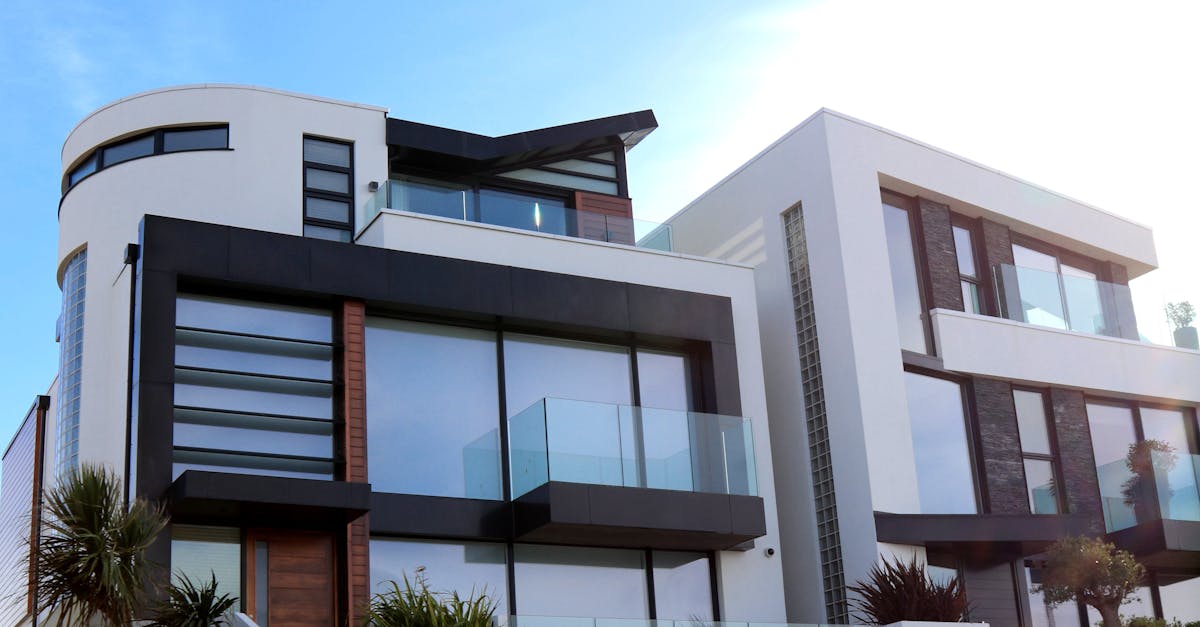
A modern backyard usually starts with one design question: how does movement flow from the house to the water? Designers often align pool edges with major architectural lines, continue interior flooring tones outdoors, and use large-format pavers to visually expand the area. For example, a contemporary home with black-framed sliding doors might pair best with a long linear pool, pale limestone decking, and low planting rather than a freeform lagoon style.
The advantage of this integrated approach is that every element works harder.
- Pros: stronger visual cohesion, better daily usability, often better resale appeal
- Cons: higher upfront planning costs, more coordination between trades, mistakes are more expensive to fix later
Trend 1 and 2: geometric pool shapes and dark interior finishes that create a luxury look
Two of the clearest visual trends in modern backyards are crisp geometric pool shapes and darker interior finishes. Rectangles, L-shapes, and knife-edge forms dominate contemporary projects because they echo modern architecture and make outdoor spaces look intentionally structured. They also simplify furniture placement, cover installation, and lap swimming. In smaller suburban yards, a narrow rectangular pool can make better use of limited width than a curvier freeform design.
Dark interior finishes are growing in popularity because they change the character of the water itself. Charcoal, deep blue, and dark gray plaster or pebble finishes create richer reflections and a more dramatic, mirror-like surface. In the right setting, this can make a modest pool feel more boutique hotel than basic backyard. Designers also like dark finishes because they visually pair well with black windows, porcelain pavers, corten steel planters, and minimalist landscaping.
There are tradeoffs. Dark finishes tend to absorb more heat, which can be a benefit in milder climates but less appealing in very hot regions. They can also show calcium scale, dust, and chemistry imbalances more quickly if maintenance is inconsistent. A geometric shell, meanwhile, looks best when construction quality is high; crooked lines or uneven coping are immediately noticeable.
Consider these pros and cons before choosing the look.
- Pros: timeless modern appearance, excellent compatibility with contemporary homes, efficient use of space, strong visual symmetry
- Cons: less forgiving of poor workmanship, darker interiors can highlight waterline buildup, rectilinear forms may feel too formal for rustic homes
Trend 3 and 4: tanning ledges, Baja shelves, and integrated spas designed for everyday use
Some pool trends become popular because they photograph well. Others stick because families actually use them constantly. Tanning ledges, also called Baja shelves or sun shelves, fall into the second category. These shallow platforms, usually 6 to 12 inches deep, create a transition zone between deck and pool that works for lounging, supervising children, or cooling off without fully swimming. They are especially valuable in households with mixed ages because they give non-swimmers and older adults a comfortable entry point.
Integrated spas are another feature that has moved from luxury extra to near-mainstream aspiration in higher-end projects. When designed as part of the pool rather than added as an afterthought, a raised or flush spa creates visual continuity and extends seasonal use. In cooler regions, that matters. A family in North Carolina or the Pacific Northwest may only use the pool comfortably for part of the year, but a heated spa can be used on far more evenings.
The best version of this trend prioritizes proportion. A tanning ledge that is too large steals swim space. A spa that dominates the layout can make the pool feel secondary. Good designers typically tailor these features to actual habits. If you host adults and like outdoor entertaining, a broad ledge with two chaise lounges may be worthwhile. If you have athletic teens, preserving swim length may matter more.
Practical tradeoffs are worth noting.
- Pros: better usability across age groups, stronger resort feel, easier social use, improved relaxation value
- Cons: increases construction cost, requires careful circulation planning, shallow ledges can collect debris faster, integrated spas raise heating and maintenance demands
Trend 5 and 6: smart automation, efficient equipment, and lighting that transforms the space after dark
A stylish modern pool is no longer judged only in daylight. Increasingly, the most impressive backyards are designed to perform at night and with minimal manual effort. That is why smart automation and layered lighting are among the most important current trends. App-based systems can now control pumps, heaters, water features, spa temperature, sanitization schedules, and lighting scenes from a phone. For busy homeowners, convenience is a design feature, not just a technical bonus.
This trend also connects directly to operating costs. Variable-speed pool pumps, now standard in many new builds, typically use dramatically less electricity than old single-speed models. The U.S. Department of Energy has long noted that variable-speed pumps can cut pool pump energy use by a large margin, often more than 50 percent depending on setup and runtime. Over several seasons, that can offset a meaningful part of the equipment upgrade.
Lighting has become more sophisticated too. Instead of relying on a single underwater fixture and a bright floodlight on the house, designers now layer low-voltage path lights, recessed step lights, warm wall washing, and programmable LED pool lights. The result is less glare, better safety, and a more expensive-looking atmosphere. Warm white usually feels more architectural than constantly changing colors, though color scenes can be fun for parties.
Here is the honest balance.
- Pros: lower maintenance friction, potential energy savings, safer nighttime use, stronger ambiance and security
- Cons: higher upfront equipment costs, more complex systems can require specialist service, some app ecosystems are better than others
Trend 7: landscape-first pool design with natural texture, privacy screening, and heat-smart materials
One of the most sophisticated pool trends is also the easiest to overlook because it is not really about the pool shell at all. Landscape-first design means treating planting, privacy, shade, and surface materials as equal partners in the overall experience. This is what separates a clean pool installation from a truly modern backyard retreat. A pool can have beautiful tile and still feel exposed, harsh, or unfinished if the surrounding environment does not soften it.
Privacy is a major driver here. In dense neighborhoods, homeowners are increasingly using layered hedging, pleached trees, ornamental grasses, and slatted screens instead of relying solely on perimeter fencing. The effect is more architectural and often more relaxing. Mediterranean-inspired projects may use olive trees, lavender, and gravel bands; desert-modern yards might lean on agave, decomposed granite, and sculptural cacti; humid climates often benefit from palms, podocarpus, and broad-leaf tropicals.
Material choice matters just as much. Large-format porcelain pavers, honed travertine, and light-toned concrete remain popular because they fit modern aesthetics and can stay cooler underfoot than darker stone in full sun. That practical detail matters more than many homeowners expect. On a 95 degree summer day, an attractive surface that becomes painfully hot can make a pool area less usable.
There are clear strengths and limitations.
- Pros: improves privacy, comfort, and visual warmth; can reduce the hardscape-heavy look; strengthens property appeal
- Cons: quality landscaping takes time to mature; maintenance varies by climate; some trendy plants are poorly suited to local conditions
Key takeaways: how to choose the right trends for your budget, climate, and long-term plans
The best pool trends are the ones that solve real problems while making your backyard feel more refined. Before copying a design from social media, pressure-test each idea against how you live, your local climate, and your maintenance tolerance. A sharp-looking pool that overheats, lacks shade, or costs too much to run will lose its appeal quickly. Style should support use, not compete with it.
A simple way to prioritize is to divide upgrades into three buckets: visual impact, daily comfort, and operational efficiency. Geometric shapes and dark finishes sit mostly in the visual camp. Tanning ledges, integrated spas, and privacy landscaping improve comfort. Automation, efficient pumps, and layered lighting improve operations. The strongest projects usually combine one feature from each category rather than overspending in just one area.
Use these practical filters before making decisions.
- If your yard is small, prioritize shape efficiency, built-in seating, and clean material transitions over oversized extras
- If you entertain often, focus on lighting, lounging zones, and visual connection to dining areas
- If you want year-round value, consider an integrated spa, wind protection, and heat-retaining finishes
- If utility costs are a concern, invest early in variable-speed equipment and LED lighting
- If resale matters, choose timeless materials and avoid features that are too personalized or difficult to maintain
Conclusion
Modern pool design is moving toward cleaner lines, smarter technology, and backyards that feel like complete living environments rather than isolated recreation zones. If you are planning a new pool or updating an older one, start with the fundamentals: layout, climate fit, circulation, and how you want to use the space on an ordinary Tuesday, not just during a summer party. Then layer in the trends that add lasting value, such as geometric forms, a well-sized tanning ledge, efficient equipment, thoughtful lighting, and landscaping that creates privacy and comfort.
Your next step is simple: make a shortlist of three priorities, one aesthetic, one functional, and one operational. Use that list when talking to designers or contractors. It will keep your project focused, prevent expensive impulse decisions, and help you build a backyard that looks current today and still works beautifully years from now.
Published on .
Share now!
DP
Daniel Porter
Author
The information on this site is of a general nature only and is not intended to address the specific circumstances of any particular individual or entity. It is not intended or implied to be a substitute for professional advice.