Published on:
10 min read
Multiple Myeloma Treatment Trends: What Patients Should Know
Multiple myeloma care has changed dramatically in the last decade, moving far beyond older one-size-fits-all approaches. Patients now face a more complex but also more hopeful landscape that includes triplet and quadruplet drug combinations, MRD-guided monitoring, maintenance therapy, bispecific antibodies, CAR T-cell therapy, and more personalized treatment sequencing based on age, frailty, kidney function, and genetic risk. This article breaks down the most important treatment trends in plain language, explains why they matter in everyday decision-making, and highlights practical questions patients should ask about side effects, access, costs, and long-term planning. You will also find balanced pros and cons, real-world context, and actionable tips to help you better understand your options, prepare for specialist visits, and participate more confidently in treatment decisions with your care team.
- •Why Multiple Myeloma Treatment Looks Different Today
- •Frontline Therapy Trends: Triplets, Quadruplets, and Tailored Decisions
- •Stem Cell Transplant and Maintenance Therapy: Still Important, but More Nuanced
- •The Rise of Immunotherapy at Relapse: CAR T and Bispecific Antibodies
- •Precision Monitoring, Side Effect Management, and the Role of MRD
- •What Patients Should Ask Now: Access, Cost, Clinical Trials, and Daily Life
- •Key Takeaways and Next Steps for Patients
Why Multiple Myeloma Treatment Looks Different Today
Multiple myeloma treatment in 2025 looks very different from what many patients were told even 10 to 15 years ago. Survival has improved as doctors moved from older two-drug regimens toward more effective three- and four-drug combinations, better supportive care, and newer immune-based therapies. According to widely cited registry and clinical trial data, the five-year relative survival rate for myeloma in the United States has risen substantially over the past two decades, now exceeding 60 percent overall, although outcomes still vary by age, stage, and cytogenetic risk. That shift matters because myeloma is often treated as a chronic but relapsing cancer, meaning patients may need several lines of therapy over time.
A major trend is personalization. On paper, two patients may both have newly diagnosed myeloma, yet their treatment paths can differ significantly. A fit 58-year-old with standard-risk disease may be steered toward induction therapy followed by stem cell transplant and maintenance. An 80-year-old with heart disease, neuropathy, or limited mobility may need a gentler regimen that prioritizes quality of life and clinic convenience.
Another change is the goal of deeper response. Doctors increasingly talk about achieving minimal residual disease, or MRD, negativity, which means tests cannot detect remaining myeloma cells at extremely low levels. That is not the whole story, but it is becoming an important marker.
For patients, the takeaway is simple: treatment is no longer just about choosing one chemotherapy plan. It is about sequencing therapies wisely, managing side effects early, and understanding that newer options can create meaningful choices at diagnosis and at relapse.
Frontline Therapy Trends: Triplets, Quadruplets, and Tailored Decisions
For newly diagnosed patients, one of the biggest trends is the use of triplet and quadruplet regimens. These combinations often include an immunomodulatory drug such as lenalidomide, a proteasome inhibitor such as bortezomib, dexamethasone, and increasingly a monoclonal antibody such as daratumumab. In transplant-eligible patients, regimens like D-VRd, which adds daratumumab to bortezomib, lenalidomide, and dexamethasone, have drawn attention because studies have shown deeper responses and higher MRD negativity rates than older standards.
This matters because early depth of response may translate into longer remission for many patients. But more intensive treatment is not automatically better for every person. The right choice depends on frailty, nerve damage risk, kidney function, caregiver support, and how often someone can travel to an infusion center.
Pros patients often discuss with their care team:
- Higher response rates and deeper remissions with four-drug regimens
- More effective disease control early, when tumor burden is highest
- Better long-term planning if treatment lowers disease quickly before transplant or maintenance
- More clinic time, especially during the first months
- Higher risk of infections, low blood counts, fatigue, and steroid-related mood or sleep problems
- Greater financial complexity, particularly with oral drugs, infusions, and supportive medications combined
Stem Cell Transplant and Maintenance Therapy: Still Important, but More Nuanced
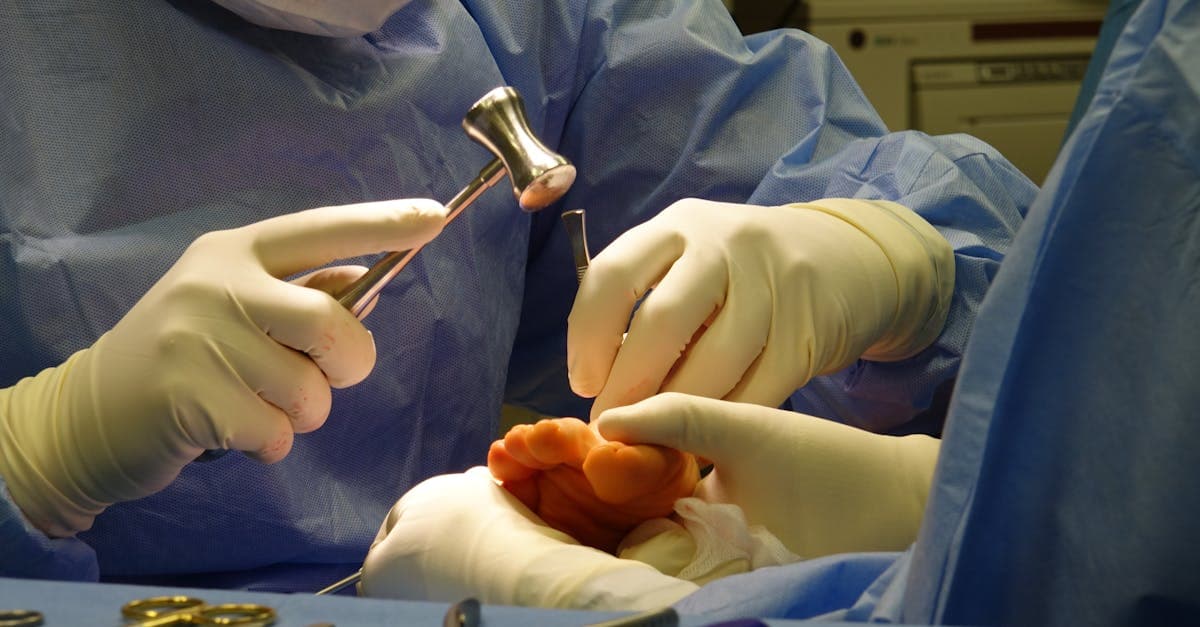
Autologous stem cell transplant remains a major part of treatment for many fit patients, even in the era of highly active drug combinations. The basic idea has not changed: collect a patient’s own stem cells, give high-dose melphalan to reduce myeloma burden, then return the stem cells to help blood counts recover. What has changed is the conversation around timing and value. Some patients proceed to transplant soon after induction therapy, while others collect stem cells and defer transplant until first relapse, depending on response, risk profile, and personal priorities.
The strongest argument for early transplant is durable disease control. Clinical trials have shown that it can prolong progression-free survival, even when modern induction regimens are used. That said, it also brings short-term intensity, including hospitalization or close outpatient monitoring, severe fatigue, infection risk, and weeks to months of recovery.
Maintenance therapy is another major trend patients should understand. Lenalidomide maintenance after transplant has become common because studies have shown it can extend remission and, in many analyses, improve overall survival. Patients with high-risk cytogenetics such as deletion 17p or certain translocations may need a different or intensified maintenance strategy, sometimes including a proteasome inhibitor.
Pros of maintenance therapy:
- Helps keep disease suppressed after a strong initial response
- Often delays relapse by months or years
- Usually less intense than induction treatment
- Ongoing cost and repeated monitoring
- Side effects such as fatigue, diarrhea, low blood counts, and secondary cancer concerns in a small minority of patients
- Emotional strain from feeling continuously “in treatment” even during remission
The Rise of Immunotherapy at Relapse: CAR T and Bispecific Antibodies
One of the most important treatment trends in relapsed myeloma is the rapid rise of immunotherapy, especially CAR T-cell therapy and bispecific antibodies. These approaches do not simply attack cancer cells the way older chemotherapy does. They harness the immune system to recognize and kill myeloma cells, often targeting BCMA, a protein commonly found on them. For patients whose disease has returned after several prior treatments, that shift has created options that were barely imaginable a decade ago.
CAR T-cell therapy involves collecting a patient’s T cells, engineering them in a lab, and infusing them back after a waiting period. In heavily pretreated patients, trials of BCMA-directed CAR T therapies have reported high response rates, often above 70 percent, with a meaningful share of complete responses. Bispecific antibodies, by contrast, are off-the-shelf drugs that bring T cells into contact with myeloma cells and can be started more quickly.
Pros of these newer immunotherapies:
- Can work even after multiple prior regimens have failed
- Often produce deep responses in difficult-to-treat disease
- Expand options for patients who previously had very limited choices
- Cytokine release syndrome and neurologic side effects require specialized monitoring
- Infection risk can be substantial, especially with prolonged immune suppression
- Access may be uneven due to referral patterns, insurance approval, and treatment center capacity
Precision Monitoring, Side Effect Management, and the Role of MRD
A less visible but equally important trend is better monitoring. Myeloma care is no longer based only on whether the M protein goes up or down. Doctors now use a wider set of tools, including serum free light chains, bone marrow testing, PET imaging in selected cases, and minimal residual disease assessments. MRD testing can detect one myeloma cell among 100,000 or even 1 million normal cells, depending on the platform. For patients, that level of sensitivity can help explain why two people with similar initial responses may receive different advice later on.
MRD is promising, but patients should know it is not magic. A negative MRD result is generally good news and is associated with better outcomes in many studies, but it does not guarantee a cure. Likewise, a positive result does not automatically mean immediate treatment failure. The main trend is that doctors are using these measurements to refine risk assessment and, in some centers or trials, guide treatment duration.
Side effect management is also more sophisticated than before. This matters because myeloma therapy often works best when patients can stay on treatment consistently.
Common high-impact areas to discuss early:
- Neuropathy from drugs such as bortezomib, which may improve with schedule changes or switching to subcutaneous dosing
- Bone disease, where bisphosphonates or denosumab can reduce fractures and pain
- Infection prevention, including vaccines, antivirals, and prompt fever evaluation
- Blood clot risk, especially with immunomodulatory drugs, which may require aspirin or stronger anticoagulation depending on risk
What Patients Should Ask Now: Access, Cost, Clinical Trials, and Daily Life
The best-informed patients today do more than ask, “What treatment works best?” They also ask, “What can I realistically access, afford, and live with?” That question is increasingly important because modern myeloma treatment can involve oral drugs, infusions, transplant centers, advanced cellular therapy programs, and long-term supportive medications. Out-of-pocket costs can vary sharply depending on insurance design, co-pay assistance, and whether a drug is billed under pharmacy or medical benefits.
Clinical trials deserve special attention. Many patients still think trials are a last resort. In reality, they are often how people access promising therapies earlier and receive care at high-volume centers with deep disease expertise. Not every trial is the right fit, but asking early is smart, especially for high-risk disease or first relapse.
Useful questions to bring to appointments:
- What is my specific risk category, including cytogenetics and stage?
- Am I transplant-eligible, and if so, should I do it now or collect cells and wait?
- What side effects are most likely in the first 90 days?
- If this treatment stops working, what is the next line you would consider?
- Should I get a second opinion at a myeloma specialist center?
- Am I eligible for any clinical trials now, not just later?
- Keep a one-page treatment summary with diagnosis date, prior regimens, best response, major side effects, and current medications
- Track symptoms weekly, especially numbness, infections, bowel changes, and steroid-related insomnia
- Ask to meet a financial navigator before starting a new regimen
- Bring a family member or friend to major treatment-planning visits
Key Takeaways and Next Steps for Patients
Multiple myeloma treatment is moving toward deeper responses, more individualized therapy, and earlier use of immune-based strategies. For patients, the most useful mindset is not trying to memorize every drug name. It is understanding the key decisions that shape the journey: how intensive frontline therapy should be, whether transplant fits your situation, what maintenance is meant to accomplish, and how to prepare for relapse options before you urgently need them.
Here are the biggest takeaways to act on now:
- Ask for a clear explanation of your risk level, including any high-risk genetic findings
- Understand the purpose of each treatment phase: induction, transplant if appropriate, maintenance, and relapse planning
- Report side effects early, because neuropathy, infections, sleep problems, and fatigue are often easier to manage when addressed quickly
- Discuss whether care at a myeloma specialist center or a second opinion could expand your options
- Bring up clinical trials sooner than feels necessary, especially if you have high-risk or early-relapsing disease
- Review financial and logistical barriers before starting treatment, not after problems arise
Published on .
Share now!
AS
Avery Stevens
Author
The information on this site is of a general nature only and is not intended to address the specific circumstances of any particular individual or entity. It is not intended or implied to be a substitute for professional advice.