Published on:
10 min read
Belly Button Hernias Explained: Key Causes and Warning Signs
A belly button hernia, also called an umbilical hernia, can look harmless at first: a small bulge that appears when you cough, laugh, or strain. But not every hernia stays mild, and knowing the difference between a watch-and-wait situation and a true medical warning sign can prevent serious complications. This article explains what belly button hernias are, why they happen in both babies and adults, which symptoms deserve prompt medical attention, and how doctors typically diagnose and treat them. You’ll also learn the risk factors that make hernias more likely, what recovery after repair really looks like, and practical steps you can take to protect the abdominal wall. If you want a clear, medically grounded guide without jargon or scare tactics, this is the one to save.
- •What a Belly Button Hernia Actually Is
- •Why Belly Button Hernias Happen: The Main Causes and Risk Factors
- •Symptoms to Watch Closely and the Warning Signs You Should Never Ignore
- •How Doctors Diagnose Umbilical Hernias and Decide on Treatment
- •Recovery, Prevention, and What Daily Life Looks Like After Treatment
- •Key Takeaways and Practical Tips for Patients and Parents
- •Conclusion
What a Belly Button Hernia Actually Is
A belly button hernia is the everyday name for an umbilical hernia, a condition in which tissue, fat, or part of the intestine pushes through a weak spot in the abdominal wall near the navel. The result is often a soft bulge that becomes more visible when pressure inside the abdomen rises, such as during coughing, crying, lifting, or straining during a bowel movement. In many cases, the bulge may flatten when the person lies down, which is one reason some people ignore it for months.
Umbilical hernias are common in infants because the opening where the umbilical cord passed through the abdominal muscles does not always close immediately after birth. They also occur in adults, especially when a previously weak area is stressed repeatedly over time. In adults, the condition deserves closer attention because spontaneous closure is much less likely than it is in children.
A helpful real-world example is a parent noticing a grape-sized bump on a baby’s belly button when the child cries, versus an adult noticing a tender bulge after months of heavy lifting or after a pregnancy. Those may look similar on the surface, but the underlying risk profile is different.
What matters most is that a hernia is not simply “a popped-out belly button.” It is a structural weakness in the abdominal wall. That distinction matters because weakness can remain stable, slowly enlarge, or in some cases trap tissue. Understanding that basic anatomy is the first step toward knowing when reassurance is appropriate and when medical care should not be delayed.
Why Belly Button Hernias Happen: The Main Causes and Risk Factors
The core cause of a belly button hernia is simple: pressure inside the abdomen exceeds what the tissue around the navel can contain. The more useful question is why that pressure becomes a problem in one person and not another. In babies, the answer is usually developmental. The umbilical ring, an opening in the abdominal wall, may not seal fully after birth. Umbilical hernias are seen more often in premature infants and low-birth-weight babies, where tissue closure may be less complete.
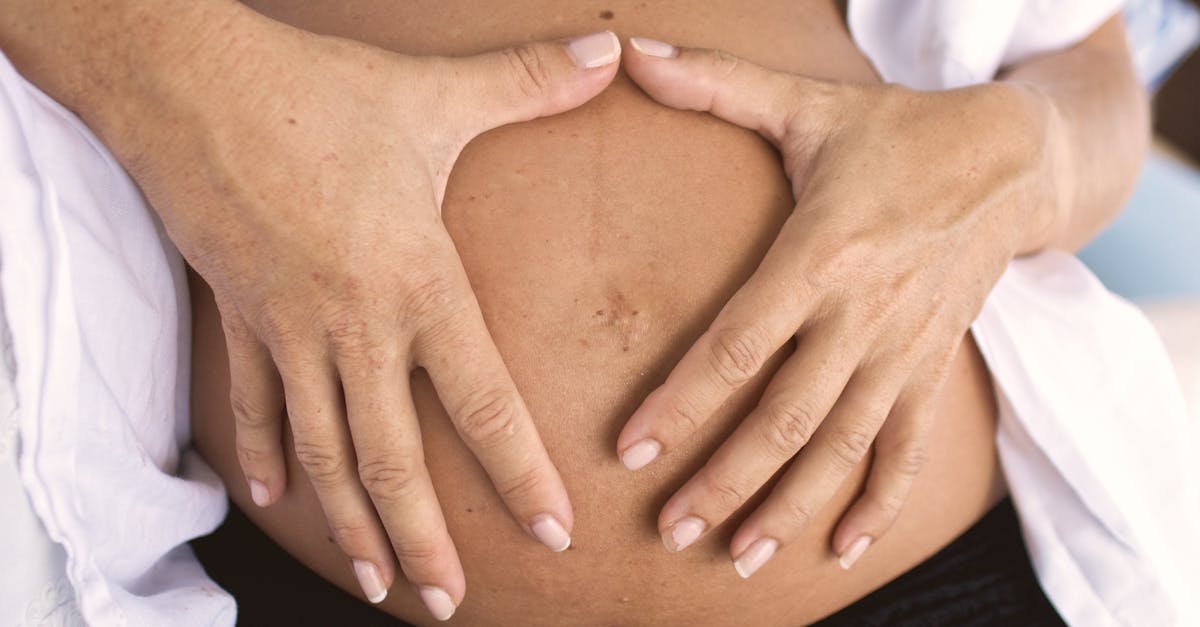
In adults, several forces can gradually stretch or weaken the area. Pregnancy is a major one, especially multiple pregnancies or twin pregnancies, because the abdominal wall is repeatedly expanded. Obesity is another strong risk factor; higher abdominal pressure over time puts constant strain on natural weak points. Chronic coughing from smoking, asthma, or lung disease can also contribute. So can repeated heavy lifting, untreated constipation, and fluid buildup in the abdomen, called ascites, which may occur with advanced liver disease.
A practical example is a warehouse worker with obesity who lifts daily and also has a chronic smoker’s cough. None of those factors alone guarantees a hernia, but together they create the perfect setup.
Pros of identifying risk factors early:
- You can address modifiable causes such as weight, constipation, and lifting technique.
- Early evaluation may catch a small hernia before it becomes painful.
- The bulge may enlarge gradually and become harder to repair.
- Ongoing strain raises the chance of discomfort and complications.
Symptoms to Watch Closely and the Warning Signs You Should Never Ignore
The most common symptom of a belly button hernia is a visible or palpable bulge at or near the navel. It may be painless at first. Many adults describe a feeling of pressure, mild aching, or a pulling sensation after standing for long periods, exercising, or lifting groceries. In babies, the bulge often becomes obvious while crying and may seem less noticeable at rest. A reducible hernia, meaning one that gently flattens when lying down or with light pressure, is generally less urgent than one that becomes stuck.
The symptoms become more concerning when pain changes in quality or the bulge changes in behavior. A hernia that suddenly becomes firm, tender, discolored, or impossible to push back in may be incarcerated, meaning tissue is trapped. If the blood supply is compromised, the problem can progress to strangulation, which is a surgical emergency.
Warning signs that deserve urgent medical attention include:
- Severe or increasing pain at the belly button
- Nausea or vomiting
- Red, purple, or dark skin over the bulge
- A hernia that becomes hard or cannot be reduced
- Fever or signs of bowel obstruction, such as bloating and inability to pass gas
How Doctors Diagnose Umbilical Hernias and Decide on Treatment
Diagnosis usually starts with a physical exam. A clinician will look at the navel while the patient stands, coughs, or gently tightens the abdominal muscles. In many cases, that exam is enough to confirm an umbilical hernia. If the exam is unclear, or if the patient has obesity, pain out of proportion to the visible bulge, or concern for a complication, imaging may help. Ultrasound is often used first because it is quick and avoids radiation. CT scans are more likely when doctors need to assess trapped bowel, obstruction, or a more complex abdominal wall defect.
Treatment depends heavily on age, symptoms, and risk. In infants, many umbilical hernias close on their own by age 3 to 5, especially smaller ones. That is why pediatric care often involves observation unless the hernia is very large, painful, trapped, or still present later in childhood. In adults, spontaneous closure is unlikely. If the hernia causes pain, enlarges, or becomes difficult to reduce, surgery is commonly recommended.
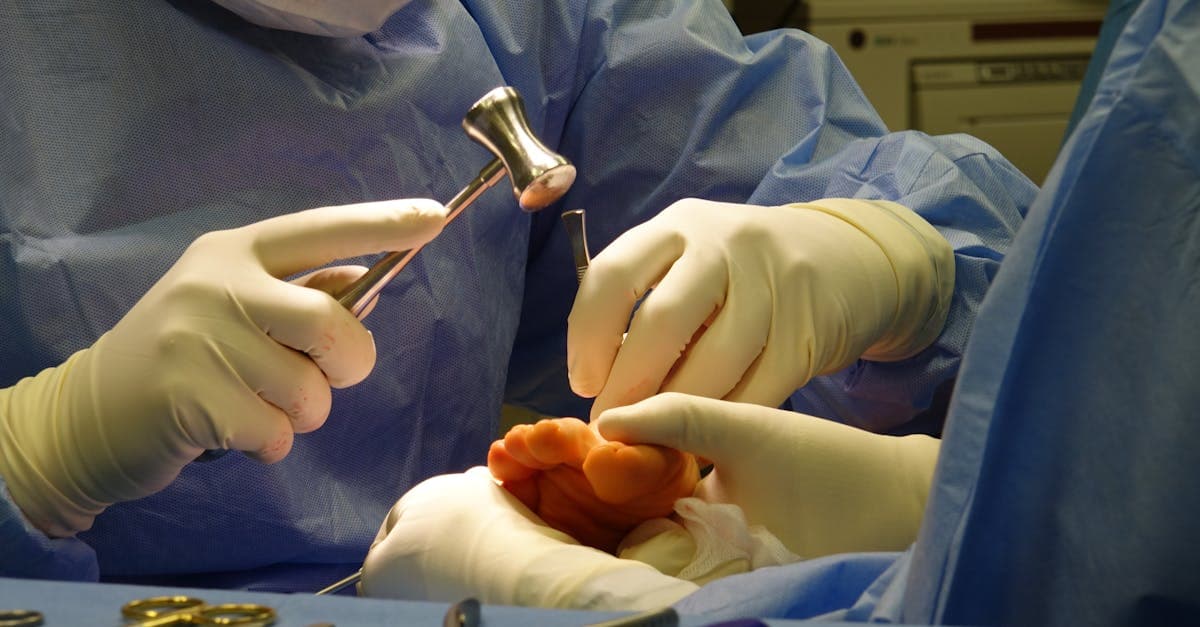
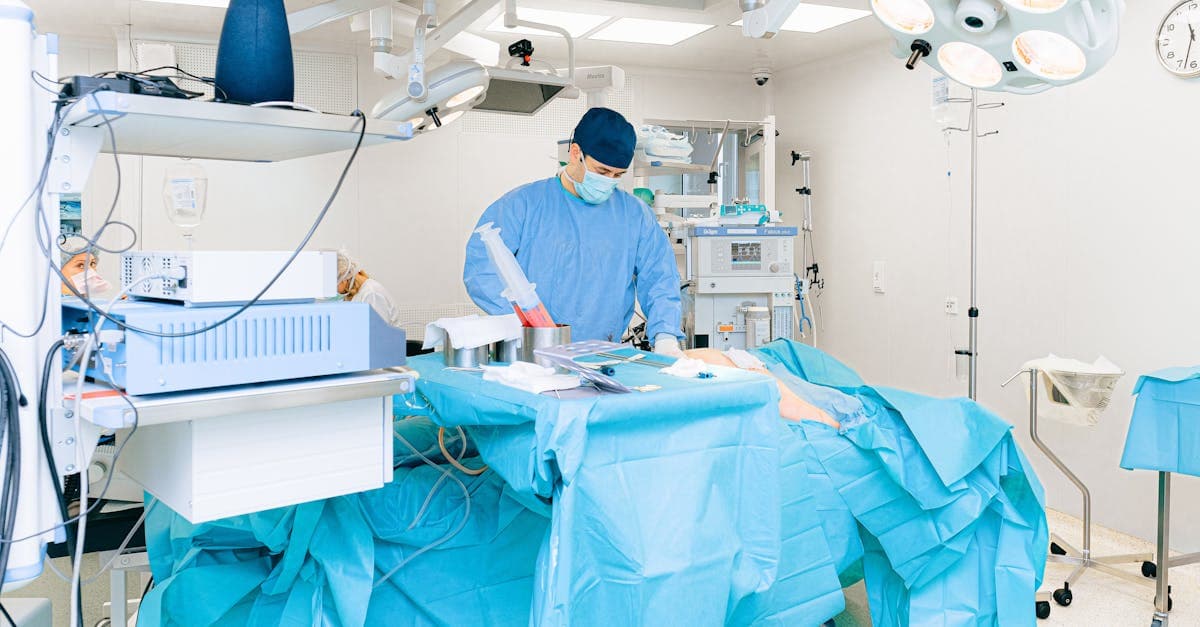
There are two main surgical approaches: open repair and laparoscopic repair. Surgeons may close the defect with stitches alone or reinforce it with mesh, especially for larger defects, because recurrence rates are generally lower with reinforcement in appropriate patients.
Pros of surgical repair:
- Relieves symptoms and removes the persistent defect
- Lowers the risk of future incarceration or strangulation
- Recovery time, though often manageable, can interrupt work and lifting
- As with any surgery, there are risks such as infection, bleeding, and recurrence
Recovery, Prevention, and What Daily Life Looks Like After Treatment
Recovery after umbilical hernia repair is usually straightforward, but the experience varies by the size of the hernia, the surgical technique, and the patient’s baseline health. Many people go home the same day. Light walking is typically encouraged early because it supports circulation and reduces stiffness. However, lifting restrictions are common for several weeks. Someone with a desk job may return faster than a mechanic, mover, or caregiver who regularly handles heavy loads.
Pain is often described as soreness or tightness rather than severe surgical pain, especially after uncomplicated repair. Swelling near the incision can last for days to weeks, and a temporary firm area under the skin does not always mean the hernia has returned. That said, persistent drainage, fever, rapidly increasing redness, or a new enlarging bulge should be reported.
Prevention is partly about reducing strain on the abdominal wall. No strategy can guarantee a hernia will never recur, but the following steps meaningfully reduce risk:
- Treat chronic constipation so you are not repeatedly straining
- Address chronic cough with medical care instead of ignoring it
- Use proper lifting mechanics and avoid sudden heavy loads after surgery
- Work toward gradual weight loss if abdominal pressure is high
- Follow post-op restrictions even if you feel “basically fine” after a few days
Key Takeaways and Practical Tips for Patients and Parents
If you remember only a few things about belly button hernias, remember these. First, not every umbilical hernia is dangerous, but every persistent one deserves informed attention. In babies, observation is often appropriate because many close naturally. In adults, a new belly button bulge is less likely to resolve on its own and should be evaluated, especially if it is growing or uncomfortable.
Second, symptom pattern matters more than fear. A small, soft, painless bulge that comes and goes is different from a hard, tender, non-reducible lump with nausea. That distinction helps you decide whether to schedule a routine visit or seek urgent care.
Practical tips you can use immediately:
- Take a photo of the bulge when it is most visible to show your clinician, since hernias sometimes flatten during appointments.
- Note when it appears: after lifting, coughing, meals, bowel movements, or prolonged standing.
- Do not try home “fixes” such as taping coins over a baby’s belly button. Pediatric experts do not recommend this, and it can irritate the skin without repairing the defect.
- Seek prompt care if pain escalates, the bulge changes color, or vomiting develops.
- Ask specific questions at your visit: Is it reducible, how large is the defect, what are my activity limits, and what symptoms should send me to the emergency department?
Conclusion
Belly button hernias are common, but they should not be dismissed as trivial. The most important next step is to match your response to the symptoms: monitor mild, stable cases with medical guidance, but act quickly if the bulge becomes painful, firm, discolored, or impossible to push back in. Adults should be especially cautious, since these hernias rarely close on their own. If you suspect one, schedule an evaluation, document your symptoms, and address pressure-related triggers such as coughing, constipation, weight gain, or unsafe lifting. For parents, avoid home remedies and follow your pediatrician’s timeline. Early attention usually means simpler decisions, safer treatment, and fewer complications later.
Published on .
Share now!
AS
Avery Stevens
Author
The information on this site is of a general nature only and is not intended to address the specific circumstances of any particular individual or entity. It is not intended or implied to be a substitute for professional advice.