Published on:
10 min read
Kitchen Remodeling Trends: Smart Upgrades for 2026
Kitchen remodeling in 2026 is moving beyond cosmetic upgrades and into smarter, more practical design. Homeowners are prioritizing layouts that work harder, materials that last longer, and technology that solves real daily frustrations instead of adding gimmicks. This article breaks down the trends that actually deserve your budget, from energy-efficient appliances and layered lighting to concealed storage, durable surfaces, and flexible layouts that support cooking, entertaining, remote work, and family life. You’ll also find realistic cost considerations, tradeoffs between popular options, and practical guidance on where high-return investments tend to outperform trend-driven splurges. Whether you are planning a full gut renovation or a strategic refresh, this guide will help you make decisions that improve function, resale appeal, and long-term satisfaction rather than simply chasing what looks good in a showroom.
- •Why 2026 Kitchen Remodeling Is More About Performance Than Perfection
- •Smarter Layouts and Storage: The Upgrades Homeowners Feel Every Day
- •Connected Appliances and Quiet Tech: Where Smart Features Actually Pay Off
- •Materials for 2026: Durable, Low-Maintenance, and More Sustainable
- •Lighting, Air Quality, and Energy Efficiency Are Becoming Non-Negotiable
- •Budgeting for the Right Splurges: What to Save On and What to Upgrade
- •Key Takeaways and Next Steps for a Kitchen Remodel That Still Works in 2030
Why 2026 Kitchen Remodeling Is More About Performance Than Perfection
The biggest kitchen trend heading into 2026 is not a color, cabinet profile, or countertop finish. It is performance. Homeowners are asking a tougher question than they did a few years ago: will this kitchen make everyday life easier? That shift matters because remodeling budgets remain high, with midrange kitchen remodels in many U.S. markets still landing well into the tens of thousands, while material and labor costs have stayed elevated compared with pre-2020 levels. When every line item feels expensive, design choices need to earn their place.
In practical terms, that means fewer decorative upgrades with little utility and more investment in workflow, storage, lighting, ventilation, and durability. A beautiful waterfall island may still be on the list, but many homeowners now care just as much about whether the island has outlets, drawer organization, seating clearance, and stain-resistant surfaces. Open shelving is losing some ground to enclosed storage because people want visual calm and easier cleanup.
Three forces are shaping this change. First, kitchens now function as hybrid spaces for cooking, homework, remote work, and entertaining. Second, energy costs have made efficient appliances and lighting more attractive. Third, resale expectations have risen. Buyers notice poorly planned kitchens quickly, especially when storage is limited or lighting is harsh.
A smart 2026 remodel balances style with measurable daily benefits. The most successful projects usually share a few characteristics:
- better task lighting at prep zones
- more drawer storage instead of lower cabinets
- improved indoor air quality through stronger ventilation
- materials chosen for maintenance, not just appearance
Smarter Layouts and Storage: The Upgrades Homeowners Feel Every Day
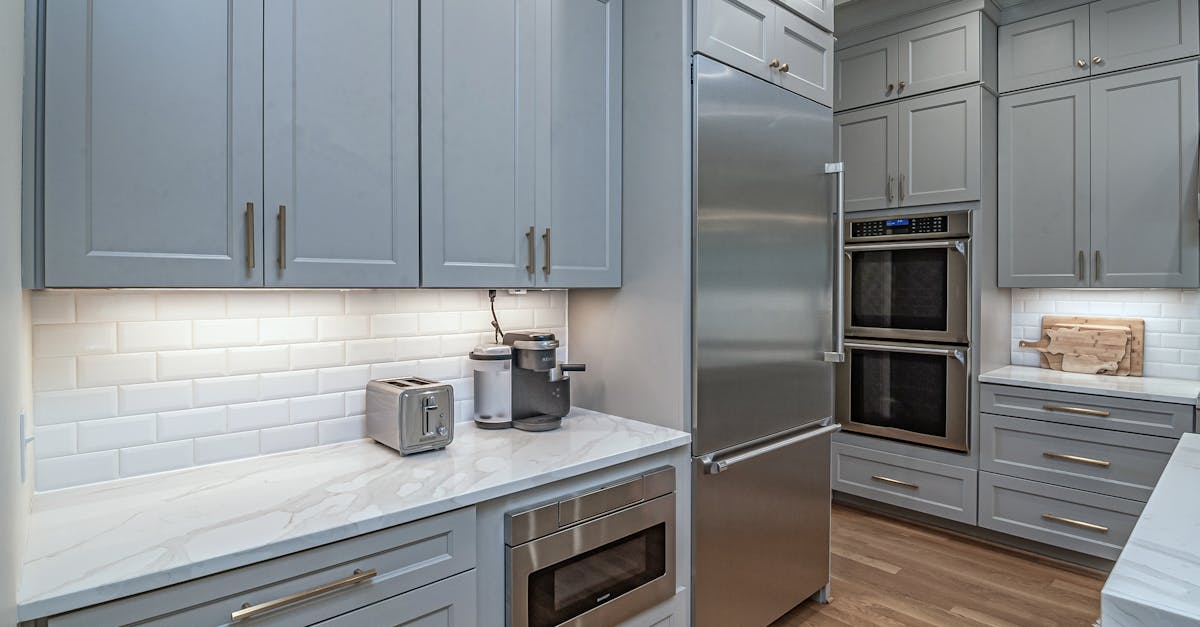
If there is one upgrade homeowners consistently appreciate after the dust settles, it is better layout and storage. In 2026, designers are moving away from oversized kitchens with wasted walking distance and toward compact efficiency. The ideal plan reduces unnecessary steps between the refrigerator, sink, and cooktop while also creating dedicated zones for prep, coffee, small appliances, and cleanup. That is especially useful in households where two people cook at once.
Deep drawers continue to outperform traditional lower cabinets because they make heavy cookware, mixing bowls, and pantry items easier to access. Interior cabinet accessories are also becoming more targeted. Think pull-out spice organizers beside the range, charging drawers for devices, tray dividers near the oven, and narrow pantry pull-outs that turn filler space into useful storage. A well-designed 36-inch pantry cabinet can replace the function of a small walk-in pantry without eating up square footage.
Homeowners should also rethink the island. A bigger island is not automatically better. In many homes, an island wider than necessary creates traffic bottlenecks and awkward clearances. The practical benchmark is often 42 to 48 inches of walkway around high-use paths, though larger households may benefit from more.
Pros of storage-first remodeling:
- less countertop clutter
- easier meal prep and cleanup
- better accessibility for aging in place
- stronger resale appeal because the kitchen feels organized
- custom inserts can raise cabinet costs quickly
- over-specialized storage may not fit future needs
- layout changes involving plumbing or walls can significantly increase labor
Connected Appliances and Quiet Tech: Where Smart Features Actually Pay Off
Smart kitchens are maturing in 2026. The flashy phase is fading, and homeowners are becoming more selective about which connected features offer real value. The best upgrades are the ones that save time, improve safety, reduce energy use, or make maintenance easier. The rest often become expensive novelty items.
Induction cooking is one of the clearest examples of a smart upgrade with practical upside. It heats quickly, offers precise control, and keeps surrounding surfaces cooler than gas. For families with children, that safety benefit is not trivial. It also aligns with a broader shift toward electrification in homes. Paired with a compatible electrical upgrade, an induction range can modernize both performance and efficiency. Meanwhile, newer dishwashers and refrigerators are getting quieter, with many premium models operating in the low 40-decibel range, which matters in open-plan homes.
The most useful smart features tend to be simple. Remote preheat, leak alerts, maintenance reminders, and refrigerator temperature notifications solve actual problems. Voice control sounds appealing, but many users stop using it regularly unless it fits a larger smart-home routine.
A realistic way to evaluate kitchen tech is to separate “daily utility” from “demo appeal.”
- High utility: induction cooktops, leak-detection sensors, under-cabinet charging, motion-activated faucets, smart ovens with reliable presets
- Lower utility for many households: touchscreen-heavy refrigerators, app ecosystems with subscription features, novelty automation that adds complexity
Materials for 2026: Durable, Low-Maintenance, and More Sustainable
The material story for 2026 is clear: homeowners want surfaces that look high-end but survive real life. That is pushing demand toward quartz, porcelain slab, engineered wood alternatives, and cabinet finishes that hide fingerprints and wear. In busy kitchens, durability is now part of the aesthetic because a surface that chips, stains, or etches quickly stops looking luxurious very fast.
Quartz remains popular because it is consistent in pattern, low maintenance, and widely available across price tiers. Porcelain slabs are gaining ground for countertops and backsplashes because they resist heat, UV fading, and staining while offering dramatic large-format looks. Natural stone still has a place, especially for buyers who value character, but it is being chosen more intentionally. A marble-look finish may be beautiful, yet many households would be happier with a material that does not require regular sealing or careful cleanup after acidic spills.
Cabinet color is also evolving. Warm whites, mushroom tones, muted greens, walnut-inspired wood looks, and mixed finishes are replacing stark all-gray kitchens. The shift is subtle but important: kitchens are becoming warmer and less showroom-like. Textured tile, fluted wood accents, and plaster-inspired finishes add depth without overwhelming the room.
Pros of investing in durable materials:
- lower long-term maintenance costs
- better resistance to scratches, staining, and moisture
- stronger day-to-day satisfaction because the kitchen ages gracefully
- premium materials can push budgets up fast
- some engineered options lack the resale romance of natural stone
- trendy finishes may date sooner than classic neutrals
Lighting, Air Quality, and Energy Efficiency Are Becoming Non-Negotiable
Some of the most important kitchen upgrades are nearly invisible in listing photos. Lighting quality, ventilation strength, and energy efficiency do not always drive social media excitement, but they dramatically affect how a kitchen feels and functions. In 2026, these systems are becoming core parts of smart remodels rather than afterthoughts.
Layered lighting is now the standard to aim for. That means ambient lighting for the room, task lighting for prep areas, and accent lighting for mood and depth. Under-cabinet LEDs are one of the highest-value improvements in a kitchen because they reduce shadows where people actually chop, read labels, and cook. Dimmers matter too. A kitchen used for morning coffee, weekday dinner prep, and evening entertaining should not have one fixed brightness level for every activity.
Ventilation is equally critical, especially as homeowners cook more frequently at home and tighter building envelopes reduce natural air leakage. A quality range hood that vents outside can help remove grease, moisture, odors, and combustion byproducts. This is especially relevant in gas kitchens, where indoor air quality concerns have become part of the remodeling conversation. Too many remodels still prioritize the hood’s appearance over actual capture performance.
Energy-efficient appliances and fixtures also bring practical savings. LED lighting uses a fraction of the energy of older bulbs and lasts much longer. ENERGY STAR appliances can reduce electricity and water use over time, though payback varies by usage patterns and local utility rates.
Why it matters: good lighting helps every task, strong ventilation protects indoor comfort, and efficient systems lower operating costs long after the remodel budget is forgotten.
Budgeting for the Right Splurges: What to Save On and What to Upgrade
A smart kitchen remodel for 2026 is rarely about spending the most. It is about spending in the places that create visible, functional return. Many homeowners regret overspending on statement finishes while underfunding storage, electrical work, or ventilation. The better approach is to identify your high-impact categories first, then decide where a premium upgrade genuinely changes the experience.
In most projects, the smartest splurges are cabinetry quality, drawer hardware, countertops that fit your lifestyle, and lighting. If your cabinets are poorly built or your drawers sag after two years, the kitchen will feel worn no matter how beautiful the tile is. Likewise, a cheap faucet used 20 times a day is often a false economy. On the other hand, there are areas where savings are possible without sacrificing results. Stock or semi-custom cabinets can outperform expensive custom work in some layouts. A slab backsplash in a modest material can look cleaner than a complex tile installation with higher labor cost.
A simple budgeting framework helps:
- spend more on what gets touched daily: drawers, hinges, faucets, sinks, lighting controls
- spend appropriately on infrastructure: electrical upgrades, plumbing, ventilation, insulation
- save on purely decorative trends that may age quickly
- reserve 10 to 20 percent of your budget for surprises, especially in older homes
Key Takeaways and Next Steps for a Kitchen Remodel That Still Works in 2030
If you are planning a kitchen remodel for 2026, the safest bet is to build around function first and style second. Trends will shift, but a kitchen with great flow, useful storage, durable materials, and solid lighting will continue to feel current even as finishes evolve. That is the difference between a remodel that ages gracefully and one that feels dated in three years.
Start by auditing your current kitchen honestly. Where does frustration show up? Maybe your counters are always crowded because there is not enough drawer storage. Maybe the room looks beautiful by day but becomes gloomy at night. Maybe your range hood is loud but ineffective, so the whole first floor smells like dinner. Those pain points should shape your budget more than social media inspiration boards.
Practical next steps:
- list your top five daily annoyances before meeting a designer or contractor
- photograph clutter zones and underused areas to identify storage failures
- prioritize electrical, lighting, and ventilation early in the planning stage
- choose at least one low-maintenance surface in every major work zone
- request itemized bids so you can see where custom upgrades add real value
- ask appliance vendors about noise ratings, warranty terms, and service availability in your zip code
Published on .
Share now!
BS
Benjamin Shaw
Author
The information on this site is of a general nature only and is not intended to address the specific circumstances of any particular individual or entity. It is not intended or implied to be a substitute for professional advice.