Published on:
10 min read
Invisalign Clear Braces: Why More Adults Choose Them
More adults are straightening their teeth than ever before, and Invisalign has become the treatment many ask about first. This article explains why clear aligners appeal so strongly to working professionals, parents, and anyone who wants orthodontic treatment without the look and feel of traditional metal braces. You’ll learn where Invisalign genuinely excels, where it has limitations, how treatment timelines and costs compare, and what daily habits make the biggest difference in results. The goal is not to sell the treatment, but to help readers make a smart, realistic decision based on lifestyle, budget, and clinical needs. If you have been wondering whether Invisalign is worth the cost, whether adults are good candidates, and what orthodontists wish patients understood before starting, this guide gives you the practical detail needed to move forward with confidence.
- •Why adult orthodontics is growing so quickly
- •What makes Invisalign especially appealing to adults
- •How Invisalign compares with traditional braces on cost, comfort, and outcomes
- •Who is a good candidate and where Invisalign can fall short
- •What treatment is really like from consultation to retainers
- •Practical tips for saving money, staying on track, and getting better results
- •Actionable conclusion: how to decide if Invisalign is the right next step
Why adult orthodontics is growing so quickly
Adult orthodontics is no longer a niche category. In the United States, millions of orthodontic patients are adults, and the American Association of Orthodontists has reported for years that adults make up roughly one in three orthodontic patients. That shift matters because adult patients evaluate treatment differently than teenagers do. They are thinking about client meetings, wedding photos, speaking roles at work, dating, and whether a treatment will fit around coffee, business lunches, and parenting schedules.
Invisalign sits right at the center of that lifestyle-driven demand. For many adults, the appeal is not only that the trays are clear. It is that the treatment feels easier to integrate into a professional life. A 34-year-old sales manager may be less worried about brackets than she is about showing up to presentations with food stuck in wires. A 42-year-old parent may care less about fashion and more about being able to brush and floss normally after dinner with the family.
There is also a broader health angle that often gets overlooked. Adults are not always pursuing straighter teeth for cosmetic reasons alone. Crowding can make flossing harder, increasing the chance of gum inflammation. Bite issues can contribute to uneven wear, chipping, and jaw strain. When patients understand that alignment affects both appearance and oral health, the decision feels more practical and easier to justify.
What has changed in recent years is confidence. Clear aligners made orthodontic treatment feel socially acceptable for adults who would never have considered metal braces at 35 or 50. That is a major reason more adults are finally starting treatment they postponed for years.
What makes Invisalign especially appealing to adults
The strongest reason adults choose Invisalign is convenience with minimal visual disruption. The aligners are custom-made plastic trays that fit tightly over the teeth, and from normal conversation distance they are far less noticeable than brackets and wires. For professionals in law, sales, healthcare, hospitality, or media-facing roles, that lower visibility can be a deciding factor.
But appearance is only part of the story. The ability to remove aligners for eating changes the day-to-day experience dramatically. Adults can still enjoy salads, nuts, apples, or steak without worrying about damaging wires. They can also brush and floss more normally, which is important because gum disease risk tends to increase with age. For someone who already has crowns, fillings, or mild gum sensitivity, easier hygiene is not a small advantage.
There are real tradeoffs, though, and adults should be honest about them.
Pros:
- Clear, discreet appearance in professional and social settings
- Removable for meals, photos, and important events
- Easier brushing and flossing than fixed braces
- Often fewer emergency visits for broken hardware
- Requires discipline, usually 20 to 22 hours of wear per day
- Trays must be removed for coffee with sugar, wine, and snacks
- Some cases still need attachments, elastics, or refinements
- Lost aligners can delay progress and add cost
How Invisalign compares with traditional braces on cost, comfort, and outcomes
Adults often assume Invisalign is always better, but the smarter question is when it is better. Traditional braces still have important strengths, especially for more complex tooth movements and cases requiring substantial bite correction. Invisalign has improved significantly over the past decade, and many moderate cases that once required braces can now be treated successfully with clear aligners, but not every case is equally efficient in trays.
Cost is another area where expectations need to be realistic. In many U.S. markets, Invisalign commonly ranges from about 3000 to 8000 dollars, depending on case complexity, location, and provider experience. Traditional braces often fall into a similar range, though metal braces may be somewhat lower in some offices. Lingual braces, placed behind the teeth, are often the most expensive option. Insurance may cover part of treatment for adults, but coverage is usually limited and highly plan-specific.
Comfort is more nuanced than marketing suggests. Invisalign avoids brackets rubbing against cheeks, yet each new tray can create several days of tight pressure. Braces can feel more intrusive physically, but they do not depend on patient compliance in the same way.
This is where a side-by-side view helps clarify tradeoffs for adults comparing options.
| Factor | Invisalign | Traditional Braces | Why It Matters for Adults |
|---|---|---|---|
| Visibility | Low | High | Important for work, events, and confidence |
| Removability | Yes | No | Affects eating, hygiene, and convenience |
| Compliance needed | Very high | Moderate | Missed wear slows Invisalign results |
| Complex case control | Good to very good in many cases | Excellent | Severe bite issues may be easier with braces |
| Typical cost | $3,000-$8,000 | $2,500-$7,500 | Budget depends on region and complexity |
| Emergency visits | Usually fewer | More likely for broken wires or brackets | Matters for busy schedules and travel |
Who is a good candidate and where Invisalign can fall short
Invisalign works best when three conditions are present: the clinical problem is suitable, the provider plans the case carefully, and the patient is consistent. Adults with mild to moderate crowding, spacing, relapse after childhood braces, or certain bite issues are often strong candidates. A very common example is the adult who had braces at 14, stopped wearing a retainer in college, and now has crooked lower front teeth at 32. Invisalign is often an efficient solution in that scenario.
It can also help adults preparing for restorative dentistry. If a dentist wants to place veneers or replace worn teeth, aligning the teeth first may create a more conservative and predictable treatment plan. That means less tooth reshaping and better long-term function. This is one reason cosmetic dentists and orthodontists frequently coordinate on adult cases.
However, there are limits. Severe skeletal problems, major jaw discrepancies, impacted teeth, or difficult rotations may still respond better to braces or to braces combined with other treatment. Adults with untreated gum disease are also not ideal candidates until periodontal health is stabilized. Moving teeth in an unhealthy foundation creates avoidable risk.
Another point many consumers miss is provider skill. Invisalign is a tool, not a magic product. An experienced orthodontist can often identify where aligners will need attachments, interproximal reduction, elastics, or refinements before treatment even begins.
Red flags worth discussing in a consultation include:
- Significant overbite or underbite
- Teeth with large restorations or mobility
- Chronic clenching or grinding
- Poor compliance history with retainers or night guards
What treatment is really like from consultation to retainers
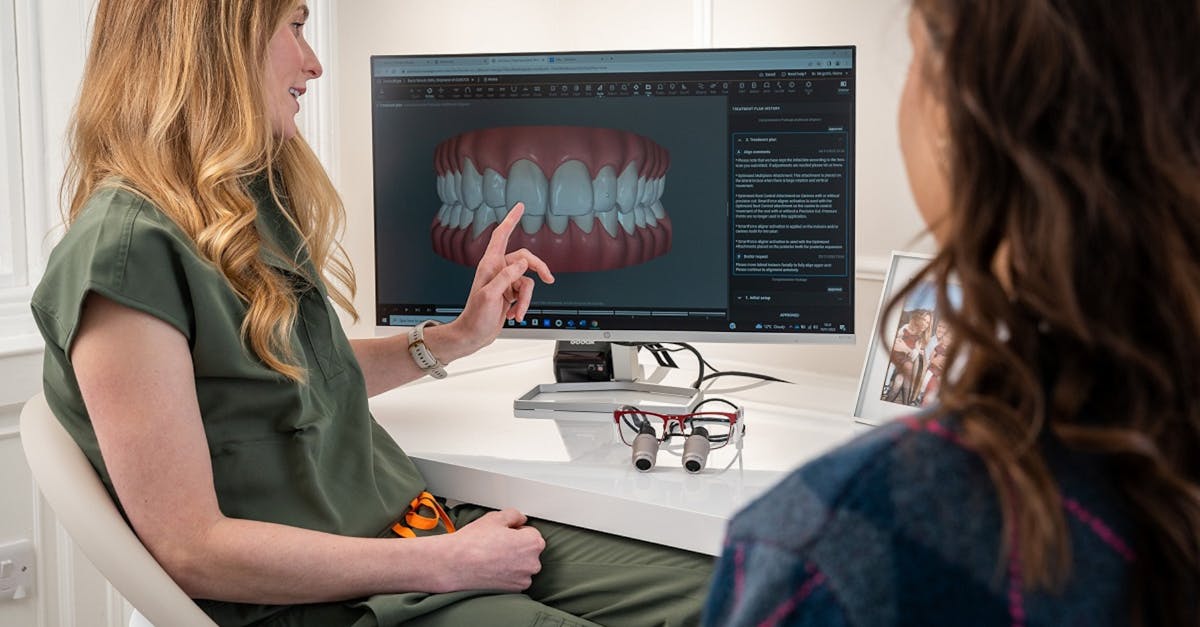
The typical Invisalign journey is more structured than many adults expect. It usually begins with digital scans, photos, and a bite assessment rather than old-style gooey impressions. The provider then maps tooth movement in stages, and patients often receive several sets of aligners at a time. Many offices schedule check-ins every 6 to 10 weeks, though protocols vary.
Treatment length depends on complexity, but many adult cases fall in the 6 to 18 month range. Minor relapse might be corrected in under a year, while more involved crowding or bite changes can take longer. The daily rule is the bigger challenge: most providers recommend wearing aligners 20 to 22 hours per day. In real life, that means meals, coffee habits, and social routines need adjustment.
Adults considering Invisalign should know the most common friction points before they begin:
- You may speak with a slight lisp for a few days with a new set of trays
- Attachments, the small tooth-colored bumps bonded to teeth, make some cases more effective but less invisible up close
- Drinking plain water is easy, but hot coffee, tea, juice, and wine usually require tray removal
- Refinements are common, meaning extra trays after the initial series
Practical tips for saving money, staying on track, and getting better results
If you are seriously considering Invisalign, a few smart decisions can improve both outcome and value. First, compare providers by treatment philosophy, not just headline price. A quote that seems cheaper may exclude retainers, refinement trays, or follow-up visits. Ask exactly what is included, whether the provider is an orthodontist or general dentist, and how complex adult cases like yours are usually managed.
Second, think in terms of habits. Invisalign rewards consistency more than enthusiasm. Many adults start highly motivated but lose traction once work travel, holidays, or late-night snacking interfere. One simple tactic is to pair tray removal only with main meals, not casual grazing. Another is to keep a small dental kit in your bag with a toothbrush, travel toothpaste, floss picks, and your aligner case. Those tiny systems reduce missed wear time far more effectively than good intentions.
Key Takeaways:
- Get at least two consultations if your case involves bite issues, past relapse, or restorative dental work
- Ask for a realistic timeline, not the most optimistic one
- Confirm total cost, including scans, refinements, and first retainers
- Wear aligners as prescribed; noncompliance is the fastest path to delays and extra expense
- Plan for retainers from day one because retention protects your investment
- If you grind your teeth, mention it early so tray durability and retainer planning are addressed
Actionable conclusion: how to decide if Invisalign is the right next step
Invisalign appeals to adults for understandable reasons: it is discreet, removable, and easier to fit into professional and social life than traditional braces. For the right candidate, it can correct crowding, spacing, and mild to moderate bite issues with less visibility and fewer lifestyle compromises. Still, the trays are not effortless. Results depend heavily on case selection, provider skill, and daily wear discipline.
If you are considering treatment, book a consultation with an experienced orthodontic provider and ask direct questions about complexity, timeline, attachments, refinements, and retainers. Compare at least two treatment plans if your case is not straightforward. Then evaluate the choice against your real habits, not your ideal ones. Adults who wear their aligners consistently and commit to retention tend to feel the investment was worthwhile. The best next step is simple: get a personalized assessment, understand the tradeoffs clearly, and choose the option you can realistically follow through on.
Published on .
Share now!
MM
Max Mason
Author
The information on this site is of a general nature only and is not intended to address the specific circumstances of any particular individual or entity. It is not intended or implied to be a substitute for professional advice.