Published on:
10 min read
Gut Health Trends: What Experts Say About Your Microbiome
Gut health has moved from wellness buzzword to serious scientific focus, but the advice people hear is often confusing, oversimplified, or driven by product marketing. This article breaks down what experts actually say about the microbiome, including which trends are supported by evidence, which ones are overhyped, and what everyday habits matter most. You’ll learn how diet diversity, fiber intake, sleep, stress, medication use, and fermented foods influence gut bacteria, why at-home microbiome tests can be both interesting and limited, and where probiotics fit into the picture. Instead of promising miracle fixes, this guide offers practical, research-informed steps you can use right away, along with the context needed to make smarter decisions about your digestive health, energy, immunity, and long-term well-being.
- •Why the microbiome became one of the biggest health conversations
- •The strongest evidence: fiber, plant diversity, and fermented foods
- •What experts say about probiotics, prebiotics, and synbiotics
- •The overlooked drivers of gut health: sleep, stress, exercise, and medications
- •Which gut health trends are promising, and which are mostly hype
- •Key takeaways: practical ways to support your microbiome starting this week
- •Conclusion: build gut health with evidence, not hype
Why the microbiome became one of the biggest health conversations
The human gut microbiome refers to the trillions of bacteria, fungi, viruses, and other microbes living mostly in the large intestine. Researchers have linked gut microbes to digestion, immune regulation, metabolism, and even brain signaling through what is often called the gut-brain axis. That broad influence is one reason interest has exploded. According to scientific estimates, the human body contains roughly as many microbial cells as human cells, which has helped shift thinking from “germs are bad” to “many microbes are essential partners.”
Experts, however, are quick to warn that the microbiome is not a magic control panel for every symptom. It is highly individualized. Two healthy people can have very different microbial profiles, and that makes oversimplified advice risky. A trend on social media might promise that one supplement, one cleanse, or one food will “heal your gut,” but gastroenterologists and dietitians usually describe gut health as a systems issue shaped by diet, sleep, stress, physical activity, medications, and medical history.
What matters most is not chasing a perfect microbiome score. It is building habits that support microbial diversity and gut resilience over time. That distinction matters because many consumers are spending heavily on powders, probiotic blends, and testing kits before addressing basics such as low fiber intake or chronic sleep disruption.
In practical terms, experts increasingly frame gut health around patterns, not hacks. If your digestion feels off, you have frequent bloating, constipation, diarrhea, or food intolerance concerns, the first step should be a clinical conversation, not a trend-driven self-diagnosis. Good gut health advice should be evidence-based, personalized, and realistic enough to sustain.
The strongest evidence: fiber, plant diversity, and fermented foods
If you ask researchers what consistently supports a healthier gut environment, the answer is usually not glamorous. It is dietary diversity, especially from plant foods, and adequate fiber. Most adults in the United States fall short on fiber, often consuming only about 10 to 15 grams per day, while general recommendations are around 25 grams daily for women and 38 grams for men. That gap matters because fiber acts as fuel for beneficial gut microbes, which then produce short-chain fatty acids such as butyrate that help support the gut lining and reduce inflammation.
A widely cited idea from microbiome researchers is aiming for about 30 different plant foods per week. That does not mean eating huge salads every day. Herbs, legumes, fruits, vegetables, nuts, seeds, and whole grains all count. Someone might reach 30 by combining oats, flax, blueberries, lentils, brown rice, spinach, chickpeas, almonds, broccoli, apples, and spices across the week. Variety appears to matter because different microbes thrive on different compounds.
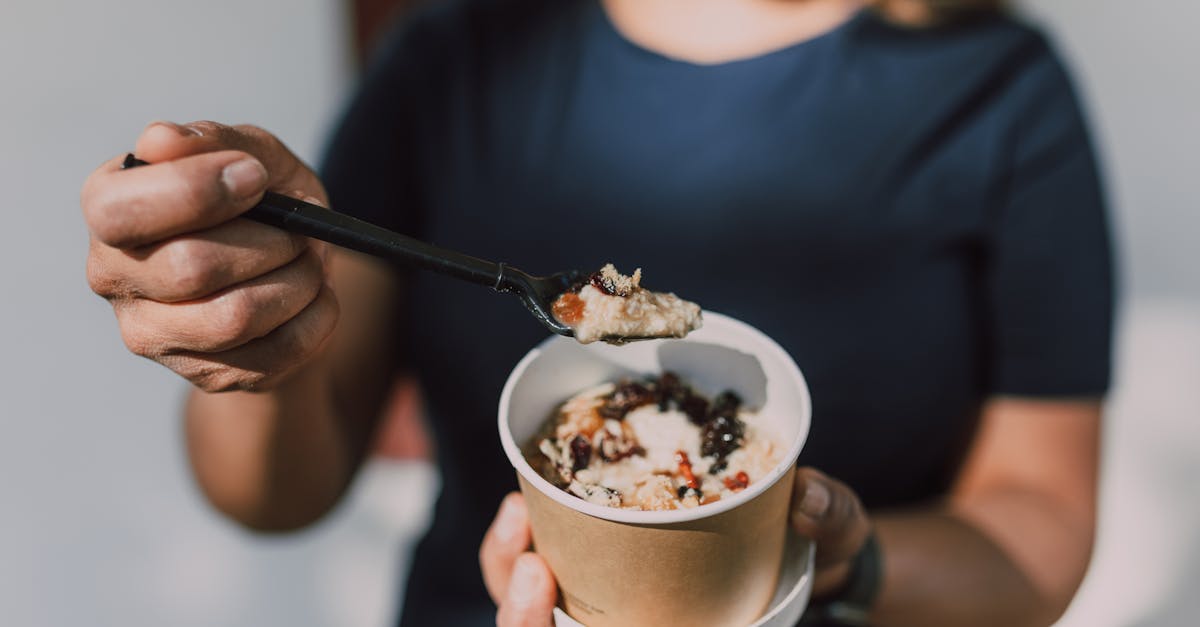
Fermented foods are another major trend with some meaningful support behind them. Yogurt with live cultures, kefir, kimchi, sauerkraut, miso, and tempeh may help introduce beneficial microbes or support a more favorable gut environment. A small but influential Stanford study published in 2021 found that a diet high in fermented foods increased microbiome diversity and lowered several inflammatory markers.
Pros:
- Fiber-rich foods improve bowel regularity and microbial fuel supply
- Plant diversity is practical and does not require supplements
- Fermented foods can add both flavor and potential gut benefits
- Increasing fiber too fast can worsen gas or bloating temporarily
- Fermented foods vary widely in live culture content
- Some products marketed as healthy are high in sodium or added sugar
What experts say about probiotics, prebiotics, and synbiotics
Supplement shelves make gut health look simple: buy a probiotic with the highest colony count and wait for miracles. Experts take a far more cautious view. Probiotics are live microorganisms intended to confer a health benefit, but their effects are strain-specific. Lactobacillus rhamnosus GG is not interchangeable with Bifidobacterium infantis, and a product containing 50 billion CFUs is not automatically better than one with 10 billion. What matters is whether the exact strain has evidence for the specific symptom or condition being targeted.
For example, some probiotic strains may modestly reduce the risk of antibiotic-associated diarrhea, while others may help certain people with irritable bowel syndrome symptoms. But results are mixed, and not everyone benefits. That is why many gastroenterologists prefer food-first strategies unless there is a clear reason to trial a supplement. Prebiotics, which are fibers that feed beneficial microbes, often have stronger logic for general use because they nourish bacteria already living in the gut. Foods such as onions, garlic, asparagus, oats, bananas, and beans naturally contain prebiotic compounds.
Synbiotics combine probiotics and prebiotics, but the category is still evolving. Marketing often runs ahead of evidence.
Pros:
- Targeted probiotics can be useful in specific situations
- Prebiotic foods support the microbiome without relying on pills
- Some people notice meaningful improvements in stool consistency or bloating
- Product quality and strain transparency vary dramatically
- Supplements can be expensive and disappointing if used broadly
- People with serious illness or immune compromise should consult a clinician before use
The overlooked drivers of gut health: sleep, stress, exercise, and medications
One reason microbiome advice often fails is that it treats digestion as a food-only issue. Experts increasingly emphasize that the gut responds to the rest of your life. Chronic stress can alter gut motility, increase symptom perception, and disrupt communication along the gut-brain axis. Anyone who has felt nausea before a presentation or stomach cramps during a stressful week has already experienced this connection in real time.
Sleep is another underappreciated factor. Short sleep and irregular schedules are associated with metabolic disruption and may affect the microbiome indirectly through hormones, inflammation, and meal timing. Shift workers, for example, often report more digestive issues, and their eating patterns tend to become more erratic. Exercise also matters. Moderate, regular physical activity appears to support microbial diversity and bowel regularity, although extreme endurance training without adequate recovery can have the opposite effect for some people.
Medication use is particularly important. Antibiotics can be lifesaving, but they can also significantly disturb gut microbes. Acid-reducing medications, frequent laxative use, nonsteroidal anti-inflammatory drugs, and even some diabetes medications can influence digestion or the microbial ecosystem. This does not mean people should stop necessary prescriptions. It means gut symptoms should be discussed in the context of the full medication list.
A real-world example is the person who takes repeated antibiotics for sinus infections, sleeps five hours a night, eats most meals in the car, and then blames all bloating on “bad probiotics.” That framing misses the bigger picture.
Why it matters: a microbiome-supportive lifestyle is often less about adding one product and more about reducing the daily pressures that make the gut less resilient in the first place.
Which gut health trends are promising, and which are mostly hype
Some gut health trends are grounded in credible science. Others are simply old wellness ideas rebranded with microbiome language. Personalized nutrition is a promising area because people do respond differently to the same foods. Research projects have shown that blood sugar responses and symptom patterns vary substantially between individuals, suggesting that tailored dietary advice may outperform one-size-fits-all plans. But the science is still developing, and personalization is not the same as buying a costly direct-to-consumer test and treating the report as medical truth.
At-home microbiome testing is a good example of a trend with both value and limitations. These tests can be interesting educational tools, especially for people motivated to improve diet quality. But experts often note that the field still lacks standardized definitions of what an “ideal” microbiome looks like. A stool sample captures only part of a dynamic ecosystem, and recommendations generated by companies may exceed what current evidence can confidently support.
Less convincing trends include restrictive “gut reset” cleanses, expensive detox kits, and fear-based lists that label broad categories of foods as gut-damaging without context. Elimination diets can be clinically useful when supervised, especially for IBS triggers or celiac disease workups, but unnecessary restriction can reduce dietary diversity and create stress around eating.
A good rule is to ask three questions before trying a trend:
- Is there published human evidence, not just influencer testimonials?
- Does it solve a specific problem, or is it marketed as a cure-all?
- Could the same money be better spent on groceries, sleep support, or medical evaluation?
Key takeaways: practical ways to support your microbiome starting this week
The most useful gut health plan is usually simple enough to follow consistently. Instead of trying five new supplements at once, start with habits that have the strongest upside and the lowest risk. A practical first step is to audit your week of eating. Count how many plant foods you actually consume, not how many you intend to eat. Many people who think they eat “pretty healthy” realize they rotate the same six or seven foods repeatedly.
Here is a realistic framework experts would recognize as sensible:
- Add one high-fiber food per day for a week, such as beans, oats, chia seeds, berries, or lentils
- Increase fluids as fiber rises to help reduce constipation and discomfort
- Include one fermented food you enjoy several times a week, such as kefir or plain yogurt
- Aim for more plant variety, using frozen produce, canned beans, and spices to keep costs manageable
- Walk for 10 to 20 minutes after meals if possible, which may help digestion and blood sugar control
- Protect sleep with a more consistent bedtime and less late-night eating
- Track symptoms for two weeks before blaming a single food or supplement
Conclusion: build gut health with evidence, not hype
Experts are increasingly aligned on one point: your microbiome matters, but it should not be treated like a wellness fad or a shortcut to perfect health. The best-supported strategies are still the least flashy: eat more diverse plant foods, get enough fiber, use fermented foods thoughtfully, sleep better, manage stress, move regularly, and be careful with trend-driven supplements and testing claims.
If you want to take action today, pick two habits you can sustain for the next 14 days. For example, add beans or oats to one meal daily and go to bed 30 minutes earlier. Track how you feel, especially digestion, energy, and regularity. If symptoms are persistent or concerning, talk with a qualified clinician or registered dietitian rather than guessing. Gut health improves most reliably when curiosity is paired with consistency, evidence, and a willingness to focus on fundamentals before chasing the next microbiome miracle.
Published on .
Share now!
RH
Ruby Harper
Author
The information on this site is of a general nature only and is not intended to address the specific circumstances of any particular individual or entity. It is not intended or implied to be a substitute for professional advice.