Published on:
10 min read
Excavator Work Trends: What’s Changing in 2026
Excavator work is changing faster than many contractors expected, and 2026 is shaping up to be a pivotal year for anyone who owns, rents, manages, or operates heavy equipment. This article breaks down the practical shifts happening on real job sites, from telematics and semi-autonomous machine control to tighter emissions pressure, labor shortages, rental-first fleet strategies, and the growing use of compact and specialized excavators. You will find specific examples, current market context, pros and cons of major trends, and advice on how contractors can protect margins while improving productivity. Whether you run a small earthmoving crew, manage fleet utilization across multiple sites, or are considering where to invest next, this guide explains what matters most, why it matters now, and what actions to take before these changes affect bidding, hiring, equipment costs, and customer expectations.
- •Why 2026 Feels Different for Excavator Work
- •Smarter Machines Are Moving From Premium Option to Standard Expectation
- •The Fleet Mix Is Changing: More Rentals, More Compact Units, More Specialized Attachments
- •Operators Are Harder to Find, So Workflows Must Adapt
- •Emissions, Fuel Costs, and Jobsite Sustainability Are Becoming Business Issues, Not PR Topics
- •Key Takeaways: Practical Moves Contractors Should Make in 2026
- •Conclusion
Why 2026 Feels Different for Excavator Work
Excavator work in 2026 is not being reshaped by a single breakthrough. It is being pushed by several overlapping forces at once: higher financing costs than many contractors were used to before 2022, ongoing labor shortages, more public infrastructure work, tighter customer expectations around schedules, and growing pressure to prove machine productivity with data instead of gut instinct. In practice, that means the industry is moving away from “buy iron and keep it busy” toward “measure utilization, reduce idle time, and match the machine precisely to the job.”
In the United States, infrastructure spending tied to multiyear federal programs is still supporting earthmoving demand, especially for utility, road, and site-prep projects. At the same time, private development remains uneven. A contractor may see strong municipal trenching demand in one quarter and weaker commercial groundwork in the next. That volatility is one reason fleet flexibility matters more in 2026 than it did five years ago.
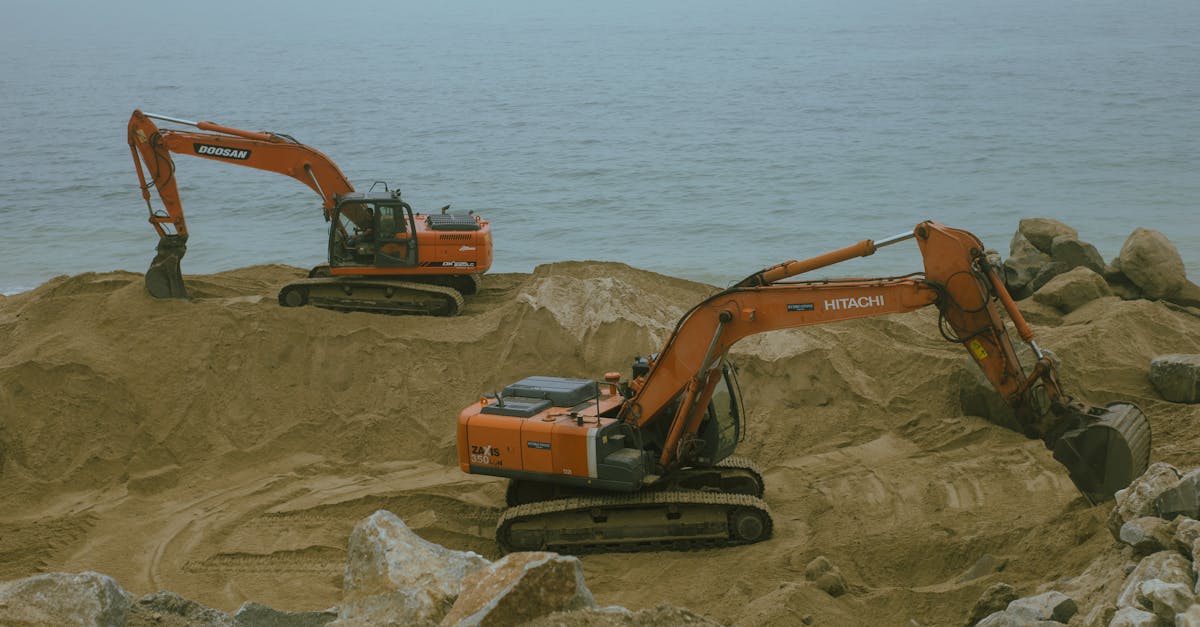
A real-world example is the shift many midsize site contractors are making from relying primarily on 30- to 40-ton excavators to deploying a mixed fleet. They are pairing a larger production machine with 6- to 10-ton minis and 14- to 20-ton midsize units for tighter sites, utility corrections, and finish work. The result is often lower fuel burn and fewer costly delays from using oversized equipment.
Why it matters: profit margins in excavation are often won or lost in small percentages. A machine idling one extra hour per day, or one operator taking two more passes than necessary, can erase margin quickly. In 2026, the winners will be contractors who treat excavator work as a data-driven operation rather than just a production trade.
Smarter Machines Are Moving From Premium Option to Standard Expectation
The biggest operational shift in excavator work is the normalization of technology that used to be considered premium. Telematics, 2D and 3D grade control, payload monitoring, and remote diagnostics are no longer niche features reserved for major civil contractors. In 2026, they are becoming baseline tools for controlling costs and winning bids. Fleet managers increasingly expect to know where a machine is, how long it idled, whether it needs service, and how productive each operator was during a shift.
Manufacturers such as Caterpillar, Komatsu, Deere, Volvo, and Hitachi have continued expanding integrated tech packages, and that matters because factory-installed systems are easier to support than aftermarket patchworks. On utility trenching and foundation work, built-in grade assist can reduce rework and shorten training time for newer operators. A contractor that cuts grade-checking interruptions by even 20 minutes per shift across multiple machines can recover dozens of labor hours per month.
There are clear advantages and tradeoffs.
Pros:
- Better fuel and idle-time visibility
- Faster troubleshooting through remote diagnostics
- More consistent digging accuracy across operators
- Easier documentation for customers and project managers
- Higher upfront machine cost or subscription fees
- More training required for foremen and operators
- Data overload if no one is assigned to act on the reports
- Mixed fleets can create software compatibility headaches
The Fleet Mix Is Changing: More Rentals, More Compact Units, More Specialized Attachments
One of the most visible trends in 2026 is a change in how contractors build fleets. Instead of purchasing every machine class they might need, more companies are buying core units and renting for peaks, specialty work, or short-duration contracts. This approach is especially common among firms managing uncertain backlogs or working in regions where project starts can be delayed by permitting, financing, or weather. The result is a more flexible cost structure and less capital tied up in underused iron.
Compact excavators continue gaining ground because job sites are getting tighter, urban utility work is expanding, and transport costs matter more than they used to. A 3- to 6-ton mini with the right thumb, tilt bucket, or breaker can handle an impressive share of daily work that once defaulted to larger equipment. At the same time, specialized attachments are helping one base machine perform multiple tasks, which improves utilization.
The economics are driving this shift as much as the work itself. A contractor paying high borrowing costs may decide that owning a frequently used 8-ton excavator makes sense, while renting a long-reach unit, demolition configuration, or high-capacity production machine only when booked. That lowers risk without eliminating capability.
Below is a practical comparison of how many contractors are thinking about fleet choices in 2026.
| Fleet Strategy | Best For | Main Advantage | Main Drawback |
|---|---|---|---|
| Own core machines, rent specialty units | Midsize contractors with variable workloads | Balances control and flexibility | Rental availability can be tight in peak season |
| Primarily owned fleet | Firms with steady year-round utilization | Lower long-term cost per hour when fully used | Higher capital exposure and maintenance burden |
| Rental-heavy approach | Smaller firms and project-based operators | Low upfront cost and easy scaling | Less control over machine specs and scheduling |
Operators Are Harder to Find, So Workflows Must Adapt
The labor challenge in excavator work is no longer just about finding people. It is about finding people who can be productive quickly, operate safely around utilities and tight sites, and handle machines with digital interfaces that are now common. Many contractors entered 2026 still dealing with an aging operator base, uneven apprenticeship pipelines, and strong competition from public works, energy, and large civil projects that can often offer steadier hours or better benefits.
That reality is changing how excavator work gets planned. More companies are standardizing controls across brands where possible, investing in simulator training, and redesigning jobsite roles so less-experienced operators can succeed faster. For example, pairing a newer operator with machine control and a strong grade checker can shorten the time it takes to become reliable on trenching or footing excavation. It is not a substitute for experience, but it reduces expensive errors.
There are also management implications.
Pros of investing in training and operator support:
- Faster ramp-up for newer hires
- Lower risk of rework on grade-sensitive jobs
- Better retention when operators feel supported
- Improved safety and machine care
- Training time can reduce short-term production
- Simulators and coaching programs cost money
- Skilled operators may still leave for higher-paying competitors
- Foremen need time and patience to mentor effectively
Emissions, Fuel Costs, and Jobsite Sustainability Are Becoming Business Issues, Not PR Topics
Environmental pressure around excavator work is becoming more practical and less abstract. In 2026, even contractors who do not market themselves as green are feeling the effects through fuel prices, anti-idling rules, customer prequalification standards, urban noise limits, and procurement requirements on public or institutional jobs. Sustainability is no longer just a branding exercise. It increasingly affects whether a contractor can bid competitively, work certain sites, or keep operating costs under control.
Diesel remains dominant, but the conversation is widening. More fleets are comparing standard diesel excavators with hybrid systems, electric compact excavators for indoor or low-noise applications, and better route planning to cut transport waste. Electric excavators are still a small slice of the market, especially in larger classes, but they are gaining traction on utility campuses, indoor demolition, tunnels, and municipal projects where emissions or noise are tightly restricted.
The tradeoffs are real. Electric and hybrid units can reduce fuel spend and improve site acceptance, but charging logistics, run-time limitations, and purchase price remain barriers. For many contractors, the biggest near-term win is not a full technology switch. It is simply reducing idle time, improving maintenance, and assigning the right machine size.
A useful decision framework in 2026 looks like this:
- Use electric compact excavators where indoor work, noise restrictions, or emissions rules create clear value
- Keep diesel units for high-demand production applications with limited charging support
- Track fuel burn by machine class before making sustainability claims or purchasing decisions
- Include transport, downtime, and power access in total-cost calculations
Key Takeaways: Practical Moves Contractors Should Make in 2026
The best response to changing excavator work trends is not to overhaul everything at once. It is to tighten a few decisions that directly affect margin, scheduling, and hiring. Contractors who treat 2026 as a year for disciplined upgrades, instead of reactive spending, will usually come out ahead.
Start with the basics that create measurable payback. Audit idle time across your fleet for 30 days. If one machine is idling above 30 to 40 percent of engine-on time, investigate why. Often the problem is not operator laziness. It is poor truck coordination, long staging delays, or crews using an excavator as a standby tool. Fixing that can save thousands in annual fuel and maintenance.
Next, review fleet utilization by machine class. If a specialty excavator is used only a few times per quarter, compare ownership cost against rental cost during peak demand. On the labor side, document your most common operator errors and match them to training. If newer operators consistently overdig trenches or struggle with finish grading, machine-assist features may pay back faster than another round of recruiting ads.
Practical tips for 2026:
- Standardize telematics reporting so foremen actually use the data
- Build a rental backup plan before busy season begins
- Match attachment inventory to your most profitable job types
- Use smaller excavators where access, transport, and fuel savings justify them
- Track total owning and operating cost per hour, not just payment amount
- Give operators a clear scorecard that blends production, accuracy, and equipment care
Conclusion
Excavator work in 2026 is being shaped by technology, labor constraints, cost pressure, and a more flexible approach to fleet planning. The contractors in the strongest position are not necessarily the ones with the newest machines. They are the ones who know their utilization, control idle time, invest in operator support, and choose ownership or rental based on actual workload instead of habit. If you want practical next steps, begin with a fleet and workflow audit this month: measure idle time, review machine-class utilization, identify one training gap, and compare one owned unit against a rental alternative. Small operational improvements made now can protect margins, improve bid confidence, and make your excavator business far more resilient through the rest of 2026.
Published on .
Share now!
MC
Matthew Clark
Author
The information on this site is of a general nature only and is not intended to address the specific circumstances of any particular individual or entity. It is not intended or implied to be a substitute for professional advice.