Published on:
10 min read
Eco House Trends: The Future of Sustainable Living
Sustainable housing has moved far beyond solar panels and bamboo floors. Today’s eco house trends combine energy efficiency, healthier materials, water resilience, smart technology, and climate-aware design into homes that are cheaper to run, more comfortable to live in, and better prepared for rising utility costs and extreme weather. This article breaks down the most important shifts shaping the next generation of sustainable living, from passive design and electrification to low-carbon materials, water-saving systems, and practical retrofit strategies for existing homes. You will find real examples, current data points, balanced pros and cons, and actionable advice for homeowners, renovators, and buyers who want to make smarter decisions without getting lost in greenwashing or expensive upgrades that do not pay off.
- •Why Eco Houses Are Moving From Niche to Mainstream
- •Passive Design and High-Performance Building Envelopes
- •Electrification, Solar, and Home Energy Storage Are Reshaping the Modern Eco House
- •Low-Carbon Materials, Healthy Interiors, and the Rise of Regenerative Design
- •Water Efficiency, Climate Resilience, and Smart Home Management
- •How Homeowners Can Apply These Trends Without Overspending
- •Actionable Conclusion: Building an Eco House Mindset
Why Eco Houses Are Moving From Niche to Mainstream
Eco houses are no longer a luxury concept for custom builds in affluent neighborhoods. They are becoming a practical response to three hard realities: rising energy prices, stricter building rules, and growing consumer demand for healthier indoor spaces. In the United States, residential buildings account for roughly 20 percent of total energy consumption directly, and when electricity use is included, homes represent a major share of operational emissions. At the same time, buyers are paying attention. A 2023 Zillow analysis found that home listings mentioning sustainability-related features can sell faster or at a premium in certain markets, especially when those features translate into lower monthly costs.
What is changing now is the definition of an eco house. It is no longer just about adding one green feature. The strongest projects integrate design, materials, systems, and occupant behavior. A well-oriented home with proper insulation, electric appliances, low-VOC finishes, and rainwater reuse performs better than a standard house with only rooftop solar.
Why this matters is simple: sustainability is becoming financial. Homeowners are asking better questions about lifetime operating costs, not just purchase price.
Some of the biggest drivers include:
- Higher utility bills, especially in regions with summer cooling spikes
- Heat waves, flooding, and wildfire smoke forcing resilience upgrades
- Local energy codes pushing better envelopes and electrification
- Greater awareness of indoor air quality after the pandemic
Passive Design and High-Performance Building Envelopes
The most valuable sustainability trend is often the least glamorous: designing a house so it naturally stays comfortable with less mechanical heating and cooling. Passive design starts with orientation, shading, insulation, airtightness, and window placement. These decisions reduce energy demand before any technology is added. In practical terms, that means south-facing glazing in colder climates, deep overhangs in hotter ones, and continuous insulation that minimizes thermal bridging.
According to the International Energy Agency, improving building envelopes is among the most cost-effective ways to cut building energy demand. A well-sealed, well-insulated home can reduce heating and cooling loads dramatically compared with older housing stock. In retrofit projects, air sealing attics, upgrading insulation, and installing high-performance windows often deliver more predictable savings than trendier add-ons.
A real-world example is the passive house standard, which has gained traction in Europe and North America. These homes use extremely low amounts of energy for heating and cooling because they prioritize envelope performance and heat recovery ventilation. While certification is not required to benefit from the approach, the principles are increasingly influencing mainstream builders.
Pros:
- Lower heating and cooling bills year after year
- More stable indoor temperatures and fewer drafts
- Better acoustic comfort and resilience during outages
- Higher upfront design and construction discipline required
- Poor installation can undermine expensive materials
- Window upgrades can be costly in older homes
Electrification, Solar, and Home Energy Storage Are Reshaping the Modern Eco House
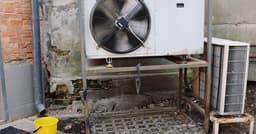
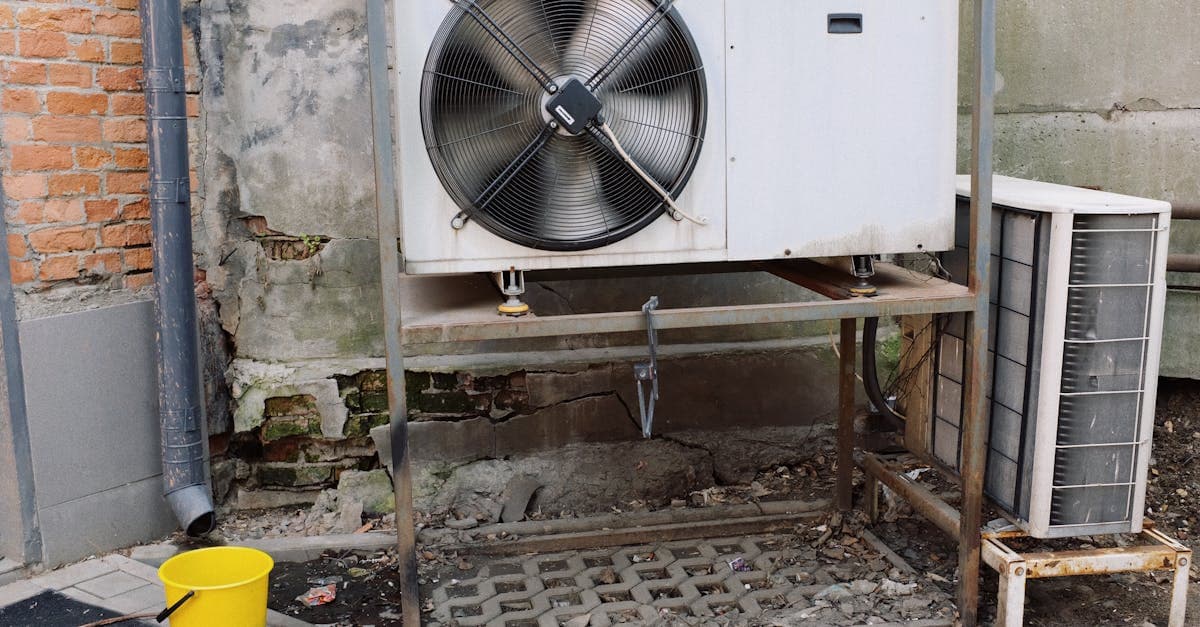
One of the clearest shifts in sustainable living is the move away from fossil-fuel-based home systems toward all-electric homes powered increasingly by renewable energy. This includes heat pumps for space heating and cooling, heat pump water heaters, induction cooktops, and electric vehicle charging integrated into the garage or driveway. Heat pumps are a standout trend because they are now viable in much colder climates than many homeowners realize. Modern cold-climate units can maintain strong performance well below freezing, making them relevant across large parts of the U.S., Canada, and Northern Europe.
Solar remains central, but the conversation has matured. The question is no longer just whether to install panels. It is how solar interacts with the rest of the house. A poorly insulated home with oversized energy demand will get less benefit from solar than an efficient home with smaller loads. Battery storage is also gaining attention, especially in outage-prone regions such as California and parts of Texas. Pairing solar with batteries can keep refrigeration, internet, lights, and medical devices running when the grid goes down.
Pros:
- Lower operational emissions, especially where the grid is getting cleaner
- Potentially lower lifetime utility costs
- Better resilience when paired with storage and smart load management
- Upfront costs can still be significant without incentives
- Solar payback varies by location, roof condition, and utility rates
- Full electrification may require panel upgrades in older homes
Low-Carbon Materials, Healthy Interiors, and the Rise of Regenerative Design
A truly sustainable home is not only efficient in operation. It also considers the carbon footprint and health impact of what it is made from. This is where eco house design is becoming more sophisticated. Architects and builders are paying closer attention to embodied carbon, the emissions created during the extraction, manufacturing, transport, and installation of building materials. Concrete and steel remain carbon-intensive, so many projects now look for lower-carbon concrete mixes, recycled steel, reclaimed wood, cellulose insulation, cork, hemp-based materials, and responsibly sourced timber.
Healthy interior materials are becoming just as important as climate metrics. Low-VOC paints, formaldehyde-free cabinetry, natural fiber insulation, and better ventilation reduce exposure to pollutants that can worsen asthma, allergies, and headaches. The Environmental Protection Agency has long noted that indoor air can sometimes be more polluted than outdoor air, which is one reason sustainable design is increasingly linked to wellness.
A growing niche within this trend is regenerative design. Instead of simply reducing harm, regenerative homes aim to improve local ecosystems through native landscaping, pollinator gardens, permeable surfaces, and carbon-storing materials. In drought-prone areas, replacing thirsty lawns with native planting schemes can cut outdoor water use significantly while supporting biodiversity.
Pros:
- Lower embodied emissions and healthier indoor environments
- Stronger appeal for buyers focused on wellness and sustainability
- Opportunity to use local or reclaimed materials with character
- Some low-carbon materials are less available in mass markets
- Green product claims can be confusing or exaggerated
- Premium finishes may raise project costs quickly
Water Efficiency, Climate Resilience, and Smart Home Management
Energy efficiency gets most of the attention, but water and resilience are becoming defining features of future-ready eco houses. In many regions, climate pressure now shows up through drought, stormwater overload, flooding, and heat stress. A sustainable home has to handle these realities without relying on constant resource waste. That is why newer eco house projects increasingly combine low-flow fixtures, leak detection, rainwater harvesting, graywater reuse where permitted, and landscape design built around local climate rather than aesthetics alone.
The numbers are persuasive. The average American household uses roughly 300 gallons of water per day, and leaks alone can waste nearly 10,000 gallons annually in a typical home, according to the EPA. Smart leak sensors and automatic shutoff valves are relatively small investments compared with the cost of water damage remediation, which can run into the thousands after a single burst pipe or hidden leak.
Climate resilience also now overlaps with home tech. Smart thermostats, energy monitors, weather-responsive irrigation controllers, and circuit-level load management can help homeowners cut waste and respond quickly to changing conditions. In wildfire-prone areas, resilient design may include ember-resistant vents and noncombustible roofing. In flood-prone zones, it could mean raised mechanical systems and permeable hardscaping.
Practical upgrades worth considering include:
- Installing WaterSense-certified fixtures and dual-flush toilets
- Replacing turf with native, drought-tolerant landscaping
- Adding leak sensors near water heaters, sinks, and washing machines
- Using smart energy monitoring to identify hidden electrical loads
How Homeowners Can Apply These Trends Without Overspending
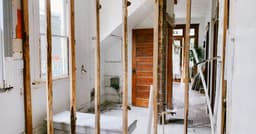
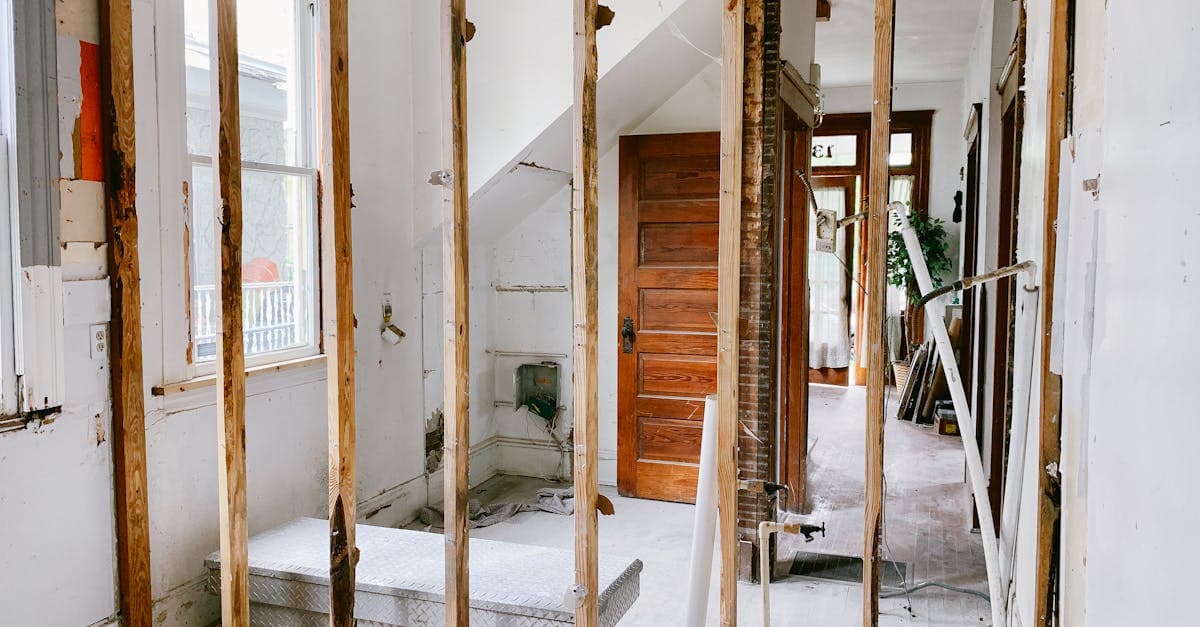
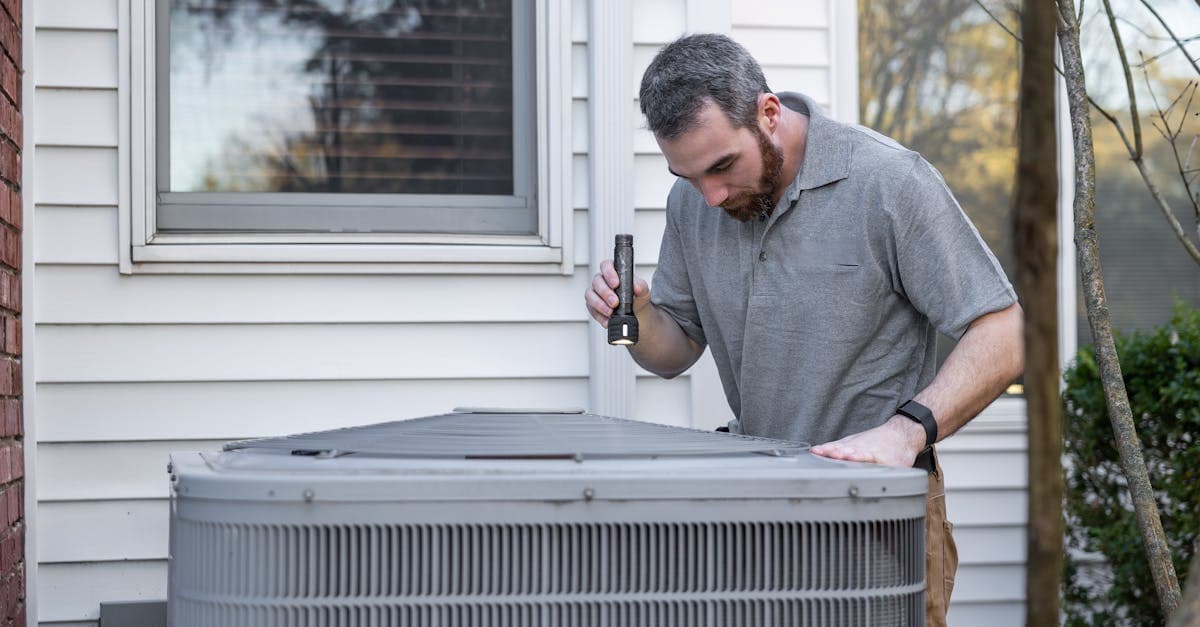
The biggest mistake people make with sustainable living is assuming they need a ground-up custom build to participate. In reality, most progress will come from retrofits to ordinary homes built decades ago. The smartest strategy is to prioritize upgrades in the order that improves performance fastest and protects future investments. Start with an energy audit. In many utility territories, audits are subsidized or discounted, and they can reveal whether your home is losing money through air leaks, poor insulation, aging HVAC systems, or inefficient appliances.
A practical decision framework looks like this. First, seal and insulate. Second, upgrade heating, cooling, and water heating as old systems fail. Third, improve windows only where they are a major weakness. Fourth, consider solar after reducing demand. This sequence matters because adding generation before improving efficiency often locks in avoidable costs.
Key Takeaways:
- Treat the house as one system, not a collection of separate products
- Reduce demand before adding renewable generation
- Choose durable, low-toxicity materials in the highest-impact areas
- Invest in water protection and climate resilience, not just energy savings
- Use incentives, rebates, and tax credits to improve payback
Actionable Conclusion: Building an Eco House Mindset
Eco house trends are pointing toward a clear future: homes that use less energy, waste less water, rely more on electricity and renewables, and protect occupants from both rising costs and climate disruption. The most effective projects are not the ones with the most gadgets. They are the ones that combine passive design, efficient systems, healthy materials, and practical resilience measures in a logical sequence.
If you want to act now, begin with a simple three-step plan. Assess your home with an energy or water audit, prioritize envelope and efficiency improvements, and then add clean technologies such as heat pumps or solar when the timing makes financial sense. Just as important, question every “green” claim and focus on measurable outcomes: lower bills, better air, fewer maintenance risks, and improved comfort.
Sustainable living is no longer a fringe ideal. It is becoming the smarter standard for homeowners, buyers, and renovators who want homes that perform well today and stay valuable tomorrow.
Published on .
Share now!
JM
Jackson Miller
Author
The information on this site is of a general nature only and is not intended to address the specific circumstances of any particular individual or entity. It is not intended or implied to be a substitute for professional advice.