Published on:
8 min read
Eco House Trends: The Future of Sustainable Living
Eco houses are moving from niche architecture to mainstream housing, and the shift is being driven by rising energy costs, stronger climate concerns, and better building technology. This article explores the trends shaping the next generation of sustainable homes, from passive design and smart energy systems to low-carbon materials and water-saving innovations, with practical examples, trade-offs, and takeaways readers can apply whether they are building new, renovating, or simply planning smarter upgrades. If you want to understand what truly makes a home future-ready, this guide breaks down not just the trends themselves, but why they matter economically, environmentally, and for day-to-day livability.
- •Why Eco Houses Are Going Mainstream
- •Passive Design: The Most Overlooked Superpower
- •Smart Energy Systems and the Rise of Home Electrification
- •Low-Carbon Materials and Healthier Interior Spaces
- •Water-Smart Homes and Climate Resilience
- •Key Takeaways and Practical Next Steps
- •An Actionable Conclusion for Future-Ready Homes
Why Eco Houses Are Going Mainstream
Eco houses used to be framed as premium projects for unusually committed homeowners, but that picture is changing quickly. The reason is simple: sustainability now overlaps with cost control, comfort, and property value. In many markets, homes with lower operating costs are becoming more attractive than homes that only look efficient on paper. A typical U.S. household spent around $2,000 a year on energy in recent years, and that number rises sharply in regions with extreme heat, cold, or older housing stock. When monthly bills climb, efficiency stops being a lifestyle preference and starts becoming a financial strategy.
The strongest eco-house trend is not a single technology. It is the convergence of better insulation, smarter appliances, cleaner energy, and healthier indoor environments. Buyers increasingly ask questions that would have sounded unusual 10 years ago: How airtight is the building envelope? Does the roof support solar? Is there heat recovery ventilation? This matters because the most sustainable home is usually not the one with the most gadgets. It is the one that needs less energy in the first place.
There are trade-offs, of course. Upfront costs can be higher, especially for high-performance windows or whole-home retrofits. But the long-term payoff can be significant. A well-designed eco house can reduce energy use by 30% to 60% compared with conventional homes, depending on climate and construction quality. That is why developers, lenders, and buyers are all paying attention. Sustainable living is no longer a side trend. It is becoming a market standard.
Passive Design: The Most Overlooked Superpower
Among all eco house trends, passive design delivers some of the best results for the least ongoing effort. The idea is to use the building itself to control temperature, light, and airflow before relying on mechanical systems. That means orienting the house to capture winter sun, shading windows in summer, maximizing cross-ventilation, and using thermal mass to stabilize indoor temperatures. It is a design-first approach, which is why it often outperforms expensive add-ons later.
Real-world examples are everywhere. In hot climates, deep overhangs and external shading can prevent solar gain and reduce air-conditioning demand dramatically. In colder climates, south-facing glazing paired with airtight construction can help capture free heat during the day. Architects often say passive design is like buying energy efficiency once and benefiting from it every hour the home is occupied.
The advantages are compelling:
- Lower utility bills without requiring constant user behavior changes
- Better comfort, because indoor temperatures swing less dramatically
- Reduced dependence on mechanical heating and cooling systems
Smart Energy Systems and the Rise of Home Electrification
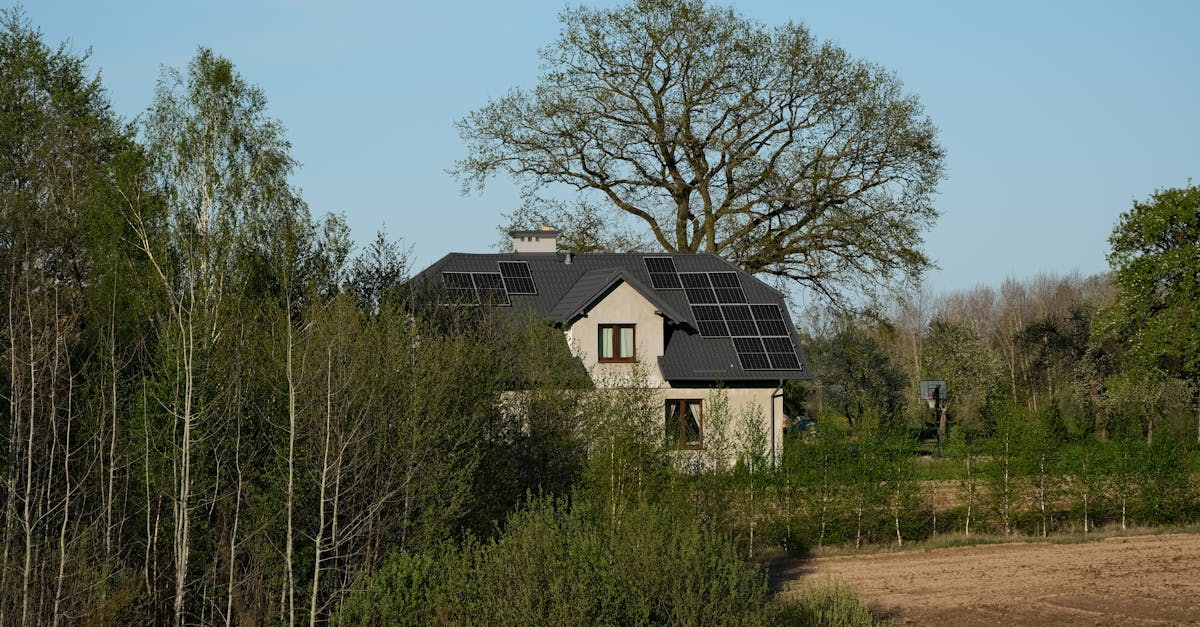
The future of sustainable living is increasingly electric. Heat pumps, induction cooktops, electric water heaters, and battery storage are replacing older fossil-fuel systems in many eco houses. This shift matters because electricity can be decarbonized over time through cleaner grids and rooftop solar, while gas and oil cannot. In practical terms, a modern air-source heat pump can deliver around three times as much heating energy as the electricity it consumes, which is a major reason it is becoming the default choice in efficient homes.
Smart energy management is the other half of the story. Homeowners now use apps and controls to schedule appliances, monitor solar production, and shift demand to cheaper or cleaner hours. For example, a battery can store excess midday solar power and run the home after sunset, reducing grid dependence. In places with time-of-use pricing, that can also lower bills. According to the International Energy Agency, global heat pump sales have risen sharply in recent years, reflecting how quickly electrification is moving from idea to practice.
The benefits are clear:
- Lower carbon emissions over the life of the home
- Better efficiency than many legacy systems
- More control over energy use and resilience during outages
Low-Carbon Materials and Healthier Interior Spaces
Sustainability is no longer only about energy use. The materials inside a house matter just as much, because they affect embodied carbon, indoor air quality, and long-term durability. Eco house trends are moving toward reclaimed timber, recycled steel, low-carbon concrete alternatives, cellulose insulation, cork, bamboo, and low-VOC finishes. This shift is important because building materials account for a substantial share of a home’s lifetime emissions before a single light switch is turned on.
There is also a health dimension that many homeowners underestimate. Conventional paints, adhesives, and flooring can release volatile organic compounds, which may affect indoor air quality for months or even years. In a well-designed eco house, you will often see a focus on natural daylight, ventilation, and materials that age gracefully rather than needing frequent replacement. That means less waste and a more comfortable living environment.
The pros are strong:
- Lower embodied carbon compared with standard material choices
- Better indoor air quality when low-emission products are used
- Less maintenance when durable, repairable finishes are selected
Water-Smart Homes and Climate Resilience
Water efficiency is becoming a defining feature of future eco houses because climate volatility is making both drought and flooding more common. Sustainable homes are responding with rainwater harvesting, greywater reuse, permeable landscaping, efficient fixtures, and drought-tolerant planting. These upgrades can look small individually, but together they change how a house performs under stress. In regions facing water restrictions, a home that reduces demand by 20% to 40% can be much easier to live with, especially during hot summers.
Practical examples are easy to spot. A rain barrel system can support garden irrigation in wetter months. Low-flow showerheads and dual-flush toilets reduce daily consumption without noticeably affecting comfort when chosen well. Permeable driveways and swales help slow stormwater runoff, which matters in urban areas where flooding is worsened by hard surfaces. This is where sustainability becomes resilience, not just efficiency.
The advantages include:
- Lower utility bills and less strain on municipal systems
- Better performance during drought or water restrictions
- Reduced flood risk when landscaping manages runoff effectively
Key Takeaways and Practical Next Steps
If you are planning an eco house project, the smartest move is to think in layers rather than chasing isolated upgrades. Start with the building envelope, then address heating and cooling, then add smart controls and renewable energy. That order usually gives the best return because every later system becomes cheaper to run when the home itself is already efficient. A solar array on a leaky house is still better than no solar, but it is not the best use of money if insulation and air sealing have been ignored.
A practical checklist looks like this:
- Improve insulation and air sealing first
- Choose passive design strategies that fit your climate
- Electrify major systems when replacements are due
- Select low-VOC, durable materials for renovations
- Add water-saving and stormwater-friendly landscape features
- Use smart monitoring to track actual performance, not assumptions
An Actionable Conclusion for Future-Ready Homes
The future of sustainable living is not about one perfect technology. It is about making homes smarter, healthier, and less resource-intensive at every stage, from the first design decision to the last appliance upgrade. Eco house trends are moving toward a practical middle ground: passive design, electrification, low-carbon materials, and water resilience working together instead of competing for attention. That combination is what turns sustainability from a concept into a daily advantage.
If you are starting a project, begin with the highest-impact fixes that lower energy demand and improve comfort immediately. If you are buying, ask harder questions about the building envelope, systems, and operating costs. And if you are simply planning ahead, watch how local codes, incentives, and material markets are changing, because the best opportunities often appear before they become obvious to everyone else. Sustainable homes are no longer a distant ideal. They are a smarter way to live now, and the choices made today will shape both household budgets and climate impact for years to come.
Published on .
Share now!
IR
Isabella Reed
Author
The information on this site is of a general nature only and is not intended to address the specific circumstances of any particular individual or entity. It is not intended or implied to be a substitute for professional advice.