Published on:
5 min read
By Olivia Reed · Laundry & Fabric Care Writer
Why is Sorting Laundry Important?
I learned the hard way that neglecting to sort laundry can lead to some colorful disasters. Here's how my experience reshaped my laundry habits.
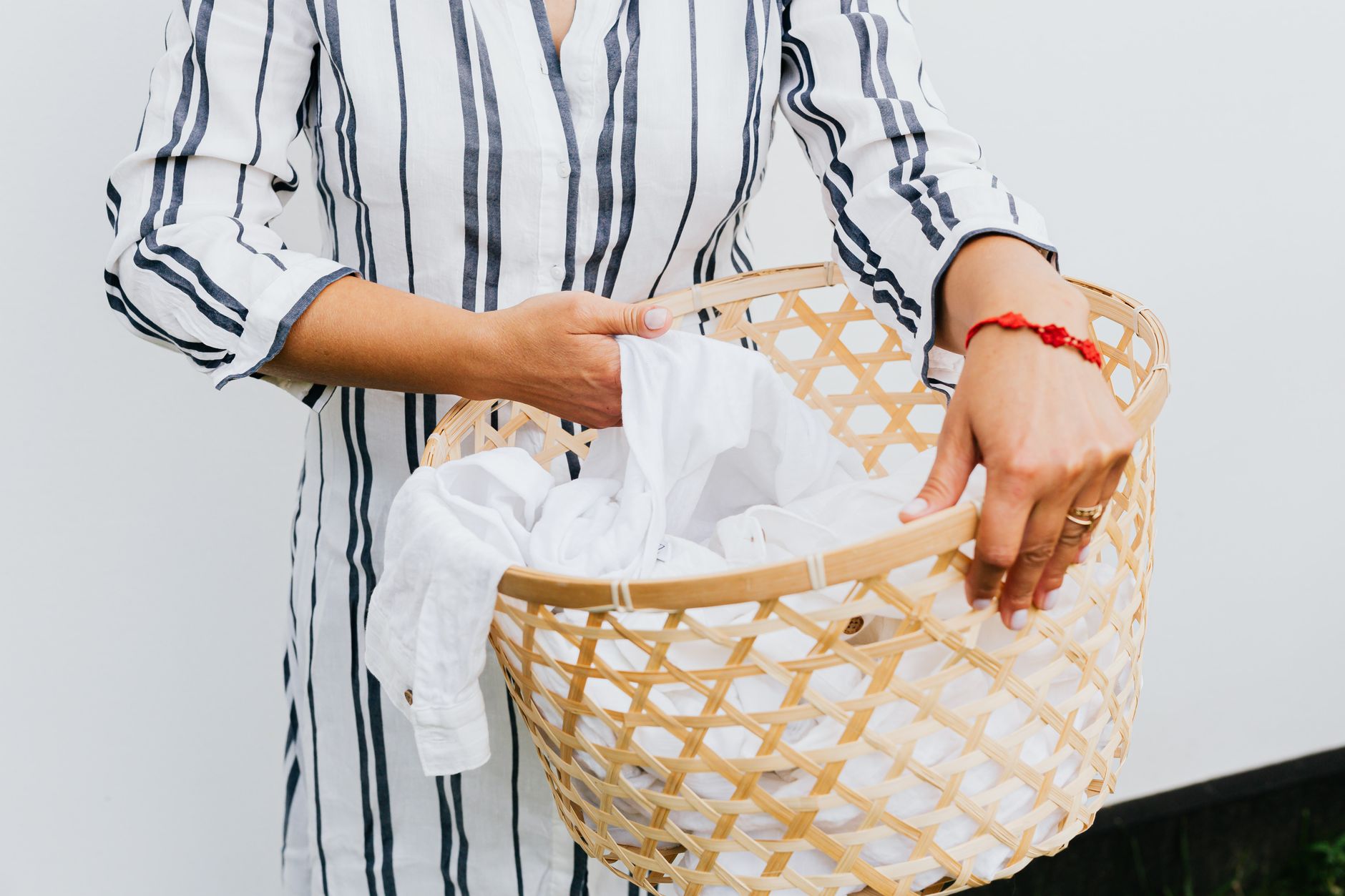
The Day My Laundry Turned Rainbow
It was a typical weekend, and I was rushing through my chores when I decided to cut corners on laundry. The result? A load of whites that came out a not-so-charming pastel pink. Neglecting to sort my laundry had finally caught up with me, and I was left with an unplanned tie-dye disaster. In this article, I'll share how this mishap prompted me to explore the importance of sorting laundry, the steps I took to prevent future mishaps, and practical tips for anyone looking to avoid similar laundry blunders.
A Lesson Learned: The Bleeding Red Sock
The culprit of my laundry disaster was a single red sock that snuck its way into my pile of whites. In my haste, I threw everything together without a second thought. When I pulled the clothes out of the dryer, every white item had a pink hue. My favorite white t-shirt, a gift from a friend, was particularly affected. I attempted to salvage it using a color remover that cost me about $10 and required an extra 40 minutes of washing. Sadly, it was too late.
This experience taught me that sorting isn't just about colors; it's about fabric types, care labels, and preserving the longevity of my clothing. The time and effort I spent trying to fix my error could have been avoided with a simple sorting process. I've since dedicated more effort to this crucial step, ensuring that I avoid mixing any potential color-bleeding items.
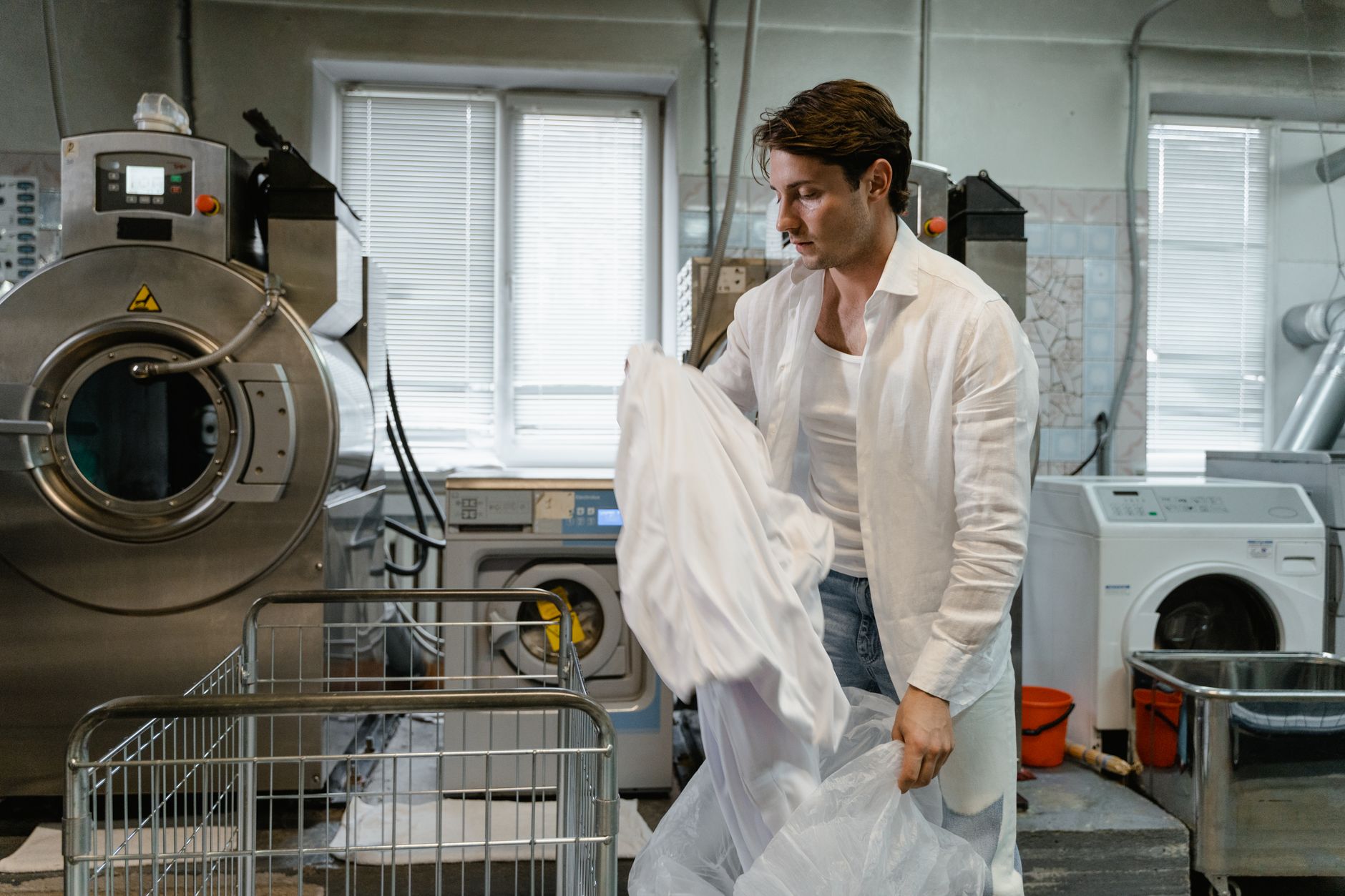
More Than Just Colors: The Fabric Factor
Beyond color, sorting laundry by fabric type is crucial. Fabrics like cotton, wool, and synthetics each have different care needs. Mixing them can lead to shrinkage, stretching, or fabrics losing their texture. A wool sweater, for instance, should never share a washer with heavy denim. I've learned that even within cotton garments, there can be differences: heavier cotton towels shouldn't be washed with lighter cotton shirts as they can cause more friction and wear.
Sorting by fabric helps maintain the integrity of each item. I started spending an additional 10 minutes organizing loads by fabric type and noticed a significant reduction in wear and tear. This small adjustment saved me from replacing clothes prematurely. I now use a system with three baskets: one for whites, one for colors, and another for delicates. The extra effort is worth it to avoid the heartbreak of ruined clothes and to keep my garments looking their best for longer. This practice has become a non-negotiable part of my laundry routine.
Sorting Mistakes and Their Consequences
Not all laundry sorting mistakes are equal, and different errors lead to different problems. Here's a comparison of common sorting mistakes and their consequences.
- Mistake: Mixing colors and whites
- Consequence: Whites turn dull or colored, extra washing needed
- Solution: Sort colors from whites before washing
- Mistake: Combining heavy and light fabrics
- Consequence: Damage to lighter fabrics, uneven drying
- Solution: Separate loads by fabric weight
- Mistake: Ignoring care labels
- Consequence: Shrinkage, fabric damage
- Solution: Always check care labels before washing
| Sorting Mistake | Consequence | Solution |
|---|---|---|
| Mixing colors and whites | Whites turn dull or colored | Sort colors from whites before washing |
| Combining heavy and light fabrics | Damage to lighter fabrics | Separate loads by fabric weight |
| Ignoring care labels | Shrinkage, fabric damage | Always check care labels before washing |
How to Sort Laundry Like a Pro
Sorting laundry doesn't have to be a chore. Here's a step-by-step process I've refined:
- Allocate separate baskets for whites, colors, and delicates. This initial step helps me quickly sort items as I toss them in.
- Check all care labels and remove any hand-wash or dry-clean-only items. This has saved me from accidental shrinkage more times than I can count.
- Sort by fabric type: keep heavy fabrics like jeans separate from delicates to prevent abrasion.
- Combine similar weight fabrics to ensure even drying and washing. This small step helps prevent over-drying and extending the life of lighter garments.
- Set your washer to the appropriate setting based on your sorted load. Adjusting the temperature and cycle type is key.
Your Laundry Sorting Questions Answered
Q: Can I wash all colors together if they're old and don't bleed?
If you've washed colored clothes several times and they no longer bleed, washing them together might be safe. However, always test a small area first to be sure.
Q: What should I do if I accidentally mix colors with whites?
Act quickly and rewash the affected items with a color-safe bleach or color remover. Be sure to separate them properly next time.
Q: How frequently should I sort my laundry?
Ideally, you should sort every time you do laundry. Sorting before you start helps ensure nothing gets missed or damaged.
Q: Can skipping sorting save time?
In the short term, it might save a few minutes. However, the potential costs of damage and extra washing outweigh the brief time savings.
EditorialOur Take
Sorting laundry might seem tedious, but it's a small effort that can save you from costly mistakes. My own experience taught me that cutting corners isn't worth the potential damage to my clothes. Sorting helps maintain fabric quality and color integrity, ultimately prolonging the life of your wardrobe. This routine is essential for anyone who values their clothing and wants to avoid unexpectedly pink t-shirts. For those who are new to laundry sorting, I recommend starting with the basics and gradually fine-tuning your process as you learn more about your clothing's specific needs.
Published on .
Share now!

Olivia Reed
Laundry & Fabric Care Writer
Olivia Reed covers laundry and fabric care. She has rescued enough favorite shirts from the wrong wash cycle to take care labels seriously. Olivia shares the methods that keep clothes looking good for longer. Olivia uses AI tools to research, draft, and help keep these articles accurate.
More from Olivia →The information on this site is of a general nature only and is not intended to address the specific circumstances of any particular individual or entity. It is not intended or implied to be a substitute for professional advice.
Get our best tips in your inbox
A short, practical email now and then. No spam, and you can unsubscribe anytime.