Published on:
9 min read
Plus Size Clothes Trends: What’s In Style Now in 2026
Plus size fashion in 2026 is finally moving beyond the old cycle of hiding, minimizing, or settling for watered-down versions of straight-size trends. This article breaks down what is actually in style now, from softer tailoring and elevated basics to bold color, sheer layering, barrel-leg denim, and occasionwear that is designed to be seen rather than disguised. It also looks at what shoppers should pay attention to beyond trend headlines, including fabric recovery, fit architecture, brand sizing consistency, and how to build outfits that feel current without replacing an entire wardrobe. You’ll find practical styling advice, realistic examples, and a balanced look at what is worth buying now versus what may fade quickly. If you want trend insight that helps you shop smarter, dress with more confidence, and avoid expensive mistakes, this guide will give you a clear roadmap.
- •Why plus size fashion feels different in 2026
- •The silhouettes dominating plus size style right now
- •Colors, prints, and fabrics that look current in 2026
- •The pieces worth buying now and the ones to approach carefully
- •How to style these trends for real life, not just social media
- •Key takeaways for building a stylish plus size wardrobe in 2026
Why plus size fashion feels different in 2026
The biggest shift in plus size fashion in 2026 is not one single silhouette. It is the fact that trend access has widened. A few years ago, many brands still treated extended sizing as a side category with fewer colors, limited trend adoption, and inconsistent cuts above a size 18. In 2026, more retailers are launching trend pieces in sizes 14 through 32 at the same time as straight sizes, and shoppers are noticing the difference. Search behavior reflects that change too. Fashion retail analysts have continued to report strong growth in size-inclusive collections, largely because demand has never been niche. In the U.S. market, women’s plus apparel still represents a multi-billion-dollar segment, yet consumers remain highly selective because they have learned that more options do not automatically mean better design.
What matters now is intentionality. The most stylish plus size wardrobes in 2026 are not built around “flattering” rules from older fashion advice. They are built around proportion, fabric quality, and personal point of view. That means oversized pieces are in, but only when the cut creates shape somewhere else. Body-skimming dresses are in, but they rely on lining, stretch recovery, and seam placement. Cropped jackets, wide-leg trousers, and sheer layers are trending because they add dimension, not because they hide the body.
Why this matters: shoppers finally have room to express aesthetics, not just solve fit problems. The trend conversation has moved from “Can I wear this?” to “How do I style this well?” That is a much more exciting place to be, and it changes how people buy, wear, and keep clothing.
The silhouettes dominating plus size style right now
In 2026, the strongest plus size silhouettes are relaxed but structured. Think soft tailoring, longer vests, draped trousers, barrel-leg jeans, column skirts, and dresses that skim instead of cling. One reason these shapes are performing so well is that they work across casual, office, and event dressing with minor adjustments. A barrel-leg jean with a fitted tank and cropped trench feels modern for daytime. The same proportions with a heeled boot and sculptural earrings can easily move into dinner territory.
Denim is a clear example of where the market has matured. Skinny jeans still exist, but they are no longer the default recommendation for plus shoppers. Wide-leg and horseshoe cuts are now common in extended sizing because brands have improved rise depth, thigh room, and waistband engineering. The best versions use at least 1 to 2 percent elastane for movement without turning baggy after two hours of wear. In dresses, ruching remains relevant, but cleaner lines are gaining ground. Midi jersey dresses with side drape, square necklines, and subtle shaping are replacing overly busy prints and heavy peplums.
Pros of today’s trend silhouettes:
- Easier to style across multiple settings
- More visual balance than ultra-tight basics
- Better comfort for all-day wear
- Some oversized cuts become shapeless in poor fabrics
- Barrel and wide-leg pants can overwhelm petite frames without hemming
- Relaxed blazers may pull at the upper arm if brand grading is weak
Colors, prints, and fabrics that look current in 2026
Color trends in plus size fashion are far more confident in 2026 than the old black-only playbook. Rich espresso, butter yellow, oxblood, icy blue, pistachio, and tomato red are all showing up across dresses, tailoring, and knitwear. Neutrals are still foundational, but they are warmer and more layered now. Instead of plain black leggings and a long tunic, the updated version is chocolate knit pants, a cream ribbed top, and a suede-look jacket. That feels intentional rather than default.
Print trends are also shifting. Large-scale florals and random placement prints are losing ground to more directional patterns such as elongated stripes, abstract brushstroke motifs, muted animal prints, and polka dots used sparingly. This matters because print scale can dramatically affect how polished a garment feels. Better plus brands are finally adjusting print proportion by size range instead of simply enlarging or shrinking the same artwork without testing how it lands on the body.
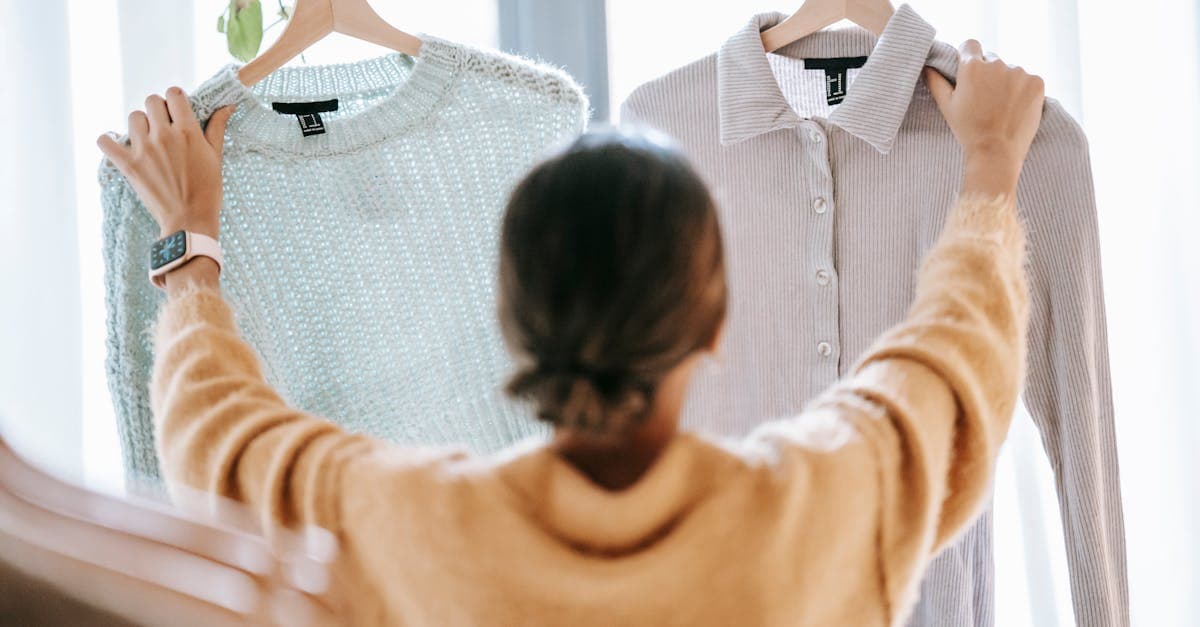
Fabric is where shoppers should become more selective. In 2026, the best-looking garments often rely on texture: mesh layers, crisp poplin, fluid crepe, stretch denim with recovery, compact knits, and sand-washed satins. Texture creates shape and interest without adding unnecessary bulk.
Pros of current fabric trends:
- More elevated appearance than thin jersey basics
- Better movement and layering potential
- Easier to dress up with simple accessories
- Sheer fabrics often require extra base layers
- Low-cost satin can highlight every seam issue
- Stiff poplin may gap at the bust if tailoring is poor
The pieces worth buying now and the ones to approach carefully
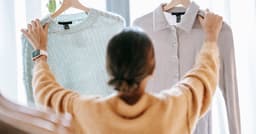
If you are shopping with a budget, not every 2026 trend deserves equal attention. The best investments are pieces that bridge style and repeat wear. Right now, that includes a cropped or waist-length jacket, a relaxed blazer with real structure, dark wide-leg jeans, a fitted knit dress, and a statement blouse in mesh, satin, or crisp cotton. These items work because they can mix with basics you already own. One good jacket can update five outfits faster than three trendy tops that only match one pair of pants.
Accessories are pulling more weight this year too. Wide belts, sculptural earrings, sleek loafers, retro sneakers, and east-west bags are giving simple outfits a fashion-forward edge. For many plus shoppers, accessories are the lowest-risk way to test trends before committing to a full silhouette change.
Pieces to approach carefully include micro-cropped tops, very low-rise bottoms, and extremely oversized matching sets in flimsy fabric. These can look great in editorial styling but disappoint in daily wear, especially if the fabric twists, rides up, or loses shape after laundering.
Pros of investing in versatile trend pieces:
- Lower cost per wear over time
- Easier outfit building across seasons
- Better chance of still feeling relevant next year
- Higher return rates and wasted spending
- Harder to style with existing wardrobe staples
- More likely to feel dated within months
How to style these trends for real life, not just social media
One reason trend coverage often feels frustrating is that much of it is styled for photos, not for commuting, office days, weather changes, or long events. In real life, plus size styling in 2026 works best when outfit architecture is considered first. That means asking where the visual structure sits: shoulder, waist, hemline, neckline, or shoe. Once one area is defined, the rest of the outfit can relax.
For work, a reliable formula is wide-leg trouser, fitted knit shell, and softly structured blazer. Add a belt only if the blazer stays open; otherwise, the look can become visually crowded. For weekends, try barrel jeans, a tucked tee, and a cropped utility jacket. For evening, a column skirt with a semi-sheer top and supportive base layer offers trend appeal without sacrificing comfort. These combinations are current because they balance shape and movement.
Common pain points deserve honest answers. If tops ride up, look for a shorter jacket over a longer base layer rather than sizing up indiscriminately. If button-downs gape, prioritize brands that offer hidden snaps or more generous bust grading. If dresses twist while walking, inspect side seams and fabric weight before buying.
Key practical tips:
- Hem pants for the shoes you wear most often, not the shoes you hope to wear
- Use shapewear as an option, not a requirement; many 2026 fabrics are designed to stand on their own
- Build around one statement element per outfit so the look feels polished, not busy
- Photograph outfits in natural light before keeping tags off; fit issues show up differently on camera
Key takeaways for building a stylish plus size wardrobe in 2026
The most wearable plus size trends of 2026 share a common thread: they respect both style and function. You do not need a complete closet overhaul to look current. You need sharper selection criteria. Start with silhouette, then assess fabric, then think about styling range. A great piece should solve at least two problems at once, such as making existing basics feel fresher while also fitting comfortably for a full day.
Here are the most practical takeaways to use immediately:
- Prioritize structured-relaxed pieces such as cropped jackets, draped trousers, and body-skimming dresses
- Add trend color through one item at a time, especially outerwear, knitwear, or bags
- Choose textured fabrics over thin basics when you want an outfit to look more expensive
- Test every purchase with the three-outfit rule before buying
- Spend more on fit-critical items like denim, blazers, and eventwear; save on seasonal accessories
- Ignore outdated “flattering” rules if they stop you from experimenting with proportion and personality
Published on .
Share now!
VS
Violet Stevens
Author
The information on this site is of a general nature only and is not intended to address the specific circumstances of any particular individual or entity. It is not intended or implied to be a substitute for professional advice.