Published on:
5 min read
Pest-Free Living: Proven Strategies and Tips for Total Pest Control
Living pest-free is essential for both health and peace of mind. In this post, we explore practical strategies that can help you keep your home environment safe from common pests. From preventive measures to practical tips, we’ve got you covered!
Understanding Common Household Pests
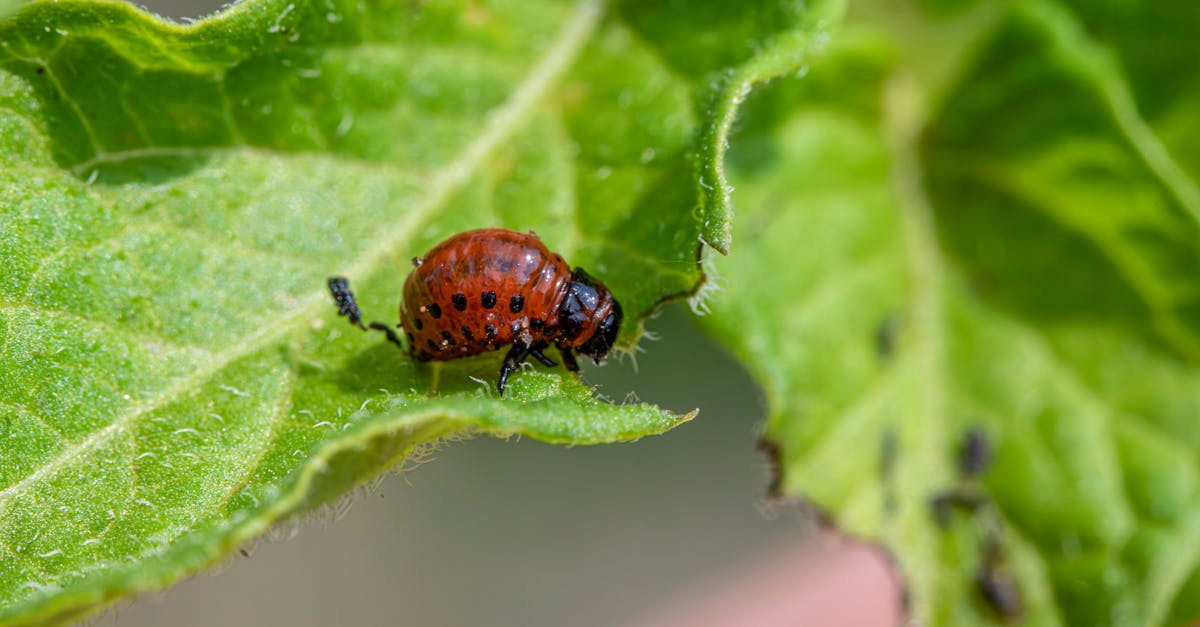
Before diving into strategies for pest control, it's essential to identify the common culprits that may invade your home. Ants, roaches, termites, and rodents are prevalent pests that can not only cause structural damage but also pose health risks. Familiarizing yourself with their habits and habitats can empower you to tackle infestations more effectively. For instance, ants tend to follow scent trails to food sources, while rodents can fit through surprisingly small openings. Knowing this can help in preventing and treating infestations before they escalate. Identifying the signs of pest presence—such as droppings, nests, or gnaw marks—can also guide necessary pest control measures.
Effective Preventive Measures
Prevention is the first line of defense against pests. Start by sealing any cracks and gaps in your home’s foundation, walls, and around windows to eliminate potential entry points. Regular cleaning plays a crucial role, too; keeping food stored in airtight containers and promptly cleaning up spills can deter pests. Additionally, outdoor maintenance is essential—ensure to tidy your garden by trimming trees and shrubs that may act as bridges for pests to enter your home. Regularly checking for leaks and moisture buildup prevents attracting pests like termites and cockroaches. Keep a clean, clutter-free home to reduce hiding spots for pests, making your house less inviting to unwanted guests.
Natural Remedies for Addressing Infestations
If you encounter a pest problem, consider natural remedies that are both effective and environmentally friendly. For example, a combination of vinegar and water is effective for repelling ants and spiders. Essential oils, such as peppermint or tea tree oil, can create a pungent barrier that pests dislike. Diatomaceous earth—a natural, non-toxic substance—can be sprinkled in areas where bugs tread, dehydrating them upon contact. Another excellent method is trapping; you can easily make homemade traps using items like soapy water or sticky paper. However, always remember that while these natural approaches can reduce pest populations, severe infestations may still warrant professional intervention.
Conclusion: Creating a Pest-Free Environment
Achieving a pest-free home involves a combination of prevention, regular maintenance, and quick action against infestations. By understanding the common pests, implementing effective preventive measures, and utilizing natural remedies, you can enjoy a healthier living space. Keep in mind that a pest-free environment not only protects your property but also enhances your overall well-being. Regularly assess your pest control strategies and make necessary adjustments, ensuring your home remains a sanctuary free from unwanted intruders.
Published on .
Share now!