Published on:
4 min read
By Olivia Reed · Laundry & Fabric Care Writer
My Adventure with Homemade Laundry Detergent
Driven by curiosity and a desire to cut costs, I ventured into making my own laundry detergent. Here's my honest take on the process, results, and whether it's worth the effort.
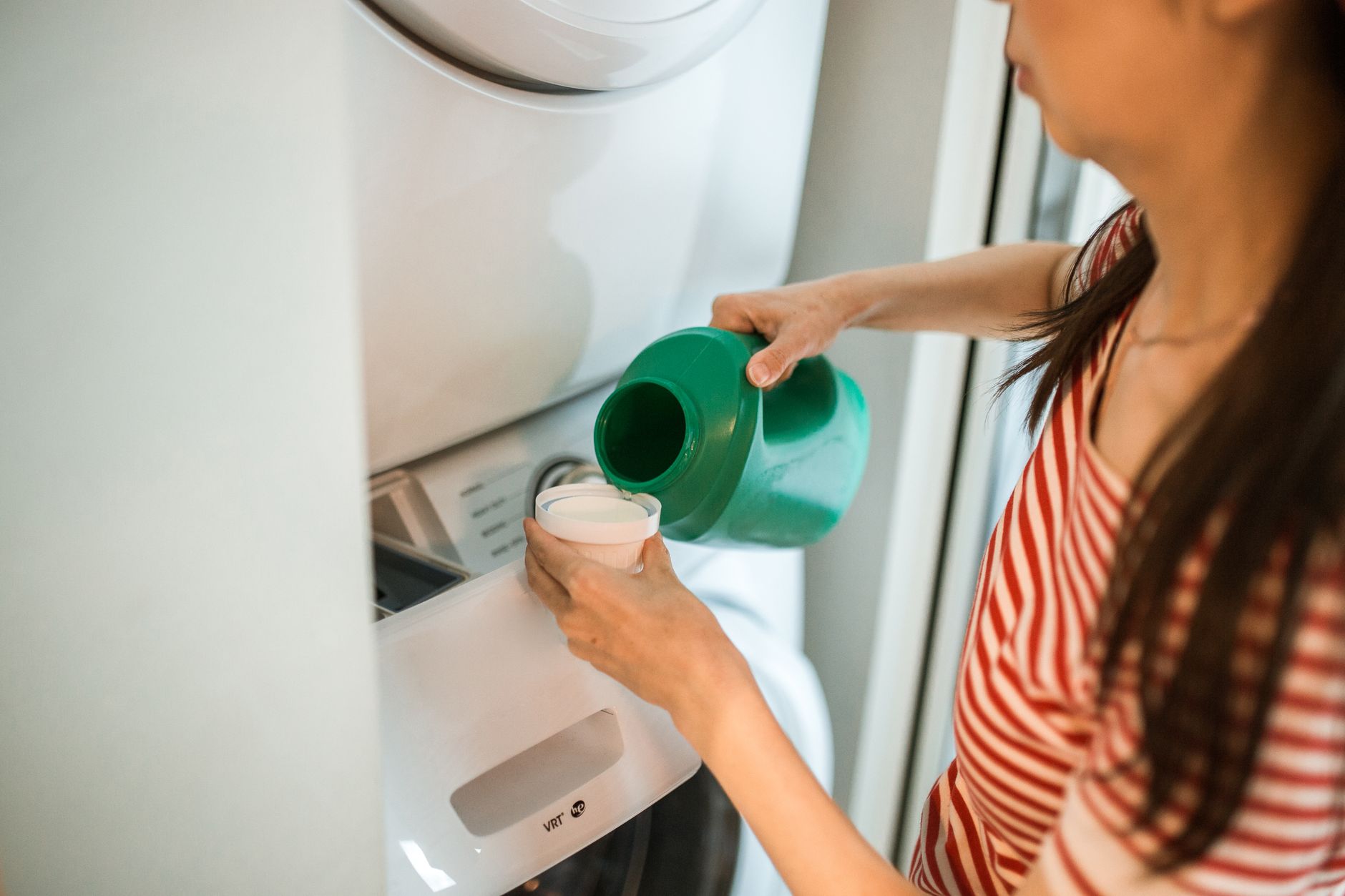
Diving Into DIY Laundry Detergent
It all started with a simple goal: save money and find a more natural way to clean my laundry. Like many, I found myself overwhelmed with the variety of commercial detergents and their often perplexing ingredients list. Intrigued by the idea of taking control of what goes onto my clothes, I embarked on an adventure to create my own laundry detergent at home. In this article, I'll walk you through my experience—complete with the bumps along the way—and provide insights on whether this DIY solution is a feasible option for you. I aimed to see if I could cut down on costs while ensuring my clothes were still getting clean.
My First Batch: The Ingredients and Initial Results
I decided to start with a basic recipe I found online: 1 cup of washing soda, 1 cup of borax, and 1 bar of grated castile soap. The total cost for these ingredients was around $10, and it promised to last for months. I began by grating the soap, which was more time-consuming than anticipated—it took about 20 minutes of careful, wrist-straining effort. Mixing the dry ingredients was straightforward, but I was a bit skeptical about whether this powder would effectively clean my clothes.
For my first test, I used a regular load of lightly soiled clothes. To my surprise, the detergent dissolved well in the wash, and the clothes came out clean and fresh. However, for tougher stains, like the grass stains on my son's soccer jersey, the results were less impressive. I quickly learned that this homemade concoction might need extra scrubbing for heavy-duty tasks. I decided to try adding some of the mixture directly to the stains before washing, which helped but wasn't a perfect solution.
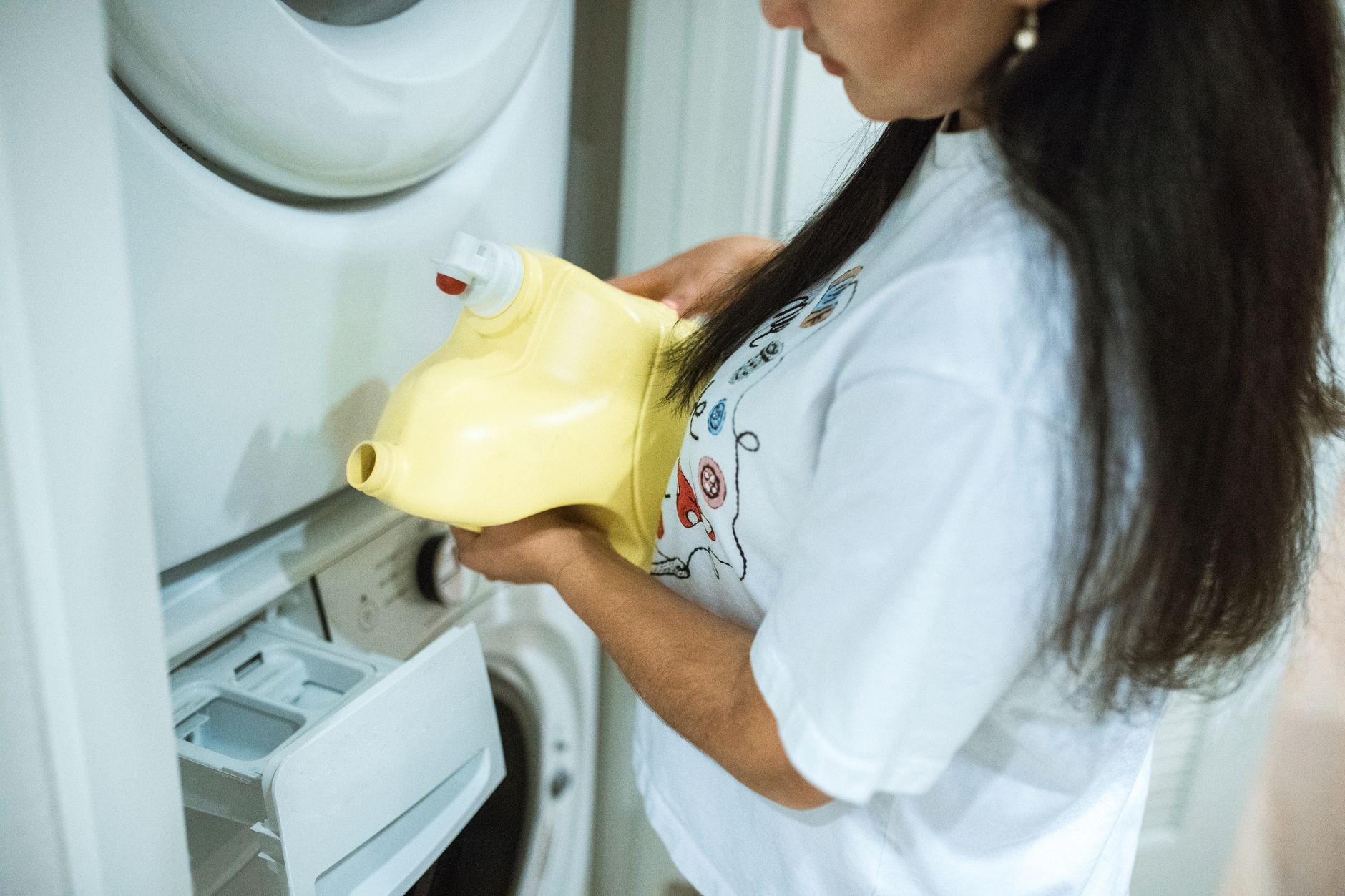
Tweaking the Recipe: Adjustments and Lessons Learned
After a few weeks of testing, I realized my recipe needed a tweak. I added half a cup of baking soda to the mix to boost cleaning power and did a trial run. This addition noticeably improved the effectiveness against odors and left my towels feeling softer. I also found that using vinegar as a rinse made a significant difference in keeping my whites bright without using traditional bleach.
One critical lesson I learned was to use warm water whenever possible, as it helps dissolve the soap more efficiently. This tweak, along with precise measurement of a tablespoon per load, maximized the effectiveness of the detergent. To address clumping, I began storing the detergent in an airtight glass jar, which preserved its texture and efficacy. I noticed that this storage method kept the mixture fresher for longer, which was a win for maintaining its cleaning power.
Homemade vs. Commercial Detergents: A Side-by-Side Look
When weighing homemade detergent against store-bought options, I compiled some concrete data. Here’s how they compare in terms of cost, preparation time, and efficacy on stains.
- Cost per load: Homemade - $0.05, Store-bought - $0.20
- Time to prepare: Homemade - 30 minutes, Store-bought - 0 minutes
- Efficacy on tough stains: Homemade - Moderate, Store-bought - High
| Aspect | Homemade Detergent | Commercial Detergent |
|---|---|---|
| Cost per Load | $0.05 | $0.20 |
| Preparation Time | 30 minutes | 0 minutes |
| Efficacy on Stains | Moderate | High |
How to Make Your Own Laundry Detergent
If you're inspired to try making your own detergent, here's a step-by-step guide based on my experience:
- Grate one bar of castile soap using a cheese grater or food processor.
- Mix one cup of washing soda and one cup of borax in a large bowl.
- Add the grated soap to the dry ingredients and mix thoroughly.
- Optional: Add half a cup of baking soda for extra cleaning power.
- Store the mixture in an airtight container to prevent clumping.
- Use about one tablespoon per load for a standard washing machine.
FAQs About Homemade Laundry Detergent
Q: Can I use homemade detergent in high-efficiency (HE) washers?
Yes, but use only a tablespoon to prevent excess suds.
Q: Is homemade detergent safe for sensitive skin?
Generally, yes, as it contains fewer additives, but results may vary by skin type. Consider testing on a small load first.
Q: How long does a batch last?
A typical batch can last up to 6 months, depending on laundry frequency and storage conditions.
Q: Can essential oils be added for fragrance?
Yes, 10-15 drops can be added for a mild scent. Choose natural oils like lavender or citrus for best results. These oils not only provide fragrance but can also offer additional antibacterial properties to your wash.
EditorialOur Take
After diving into the world of homemade laundry detergent, I discovered both the benefits and limitations of this DIY approach. It's certainly a cost-effective and environmentally friendly option, especially if you're looking to reduce your household's chemical footprint. However, its effectiveness doesn't match that of commercial detergents for heavily soiled items. This solution is ideal for those who don't mind a bit of prep work and enjoy experimenting with homemade products. If you're dealing with frequent heavy stains, you might want to keep a commercial option on hand as a backup. Overall, I find making my own detergent satisfying and a great conversation starter, but it might not be the best fit for everyone, especially those with little time to spare.
Published on .
Share now!

Olivia Reed
Laundry & Fabric Care Writer
Olivia Reed covers laundry and fabric care. She has rescued enough favorite shirts from the wrong wash cycle to take care labels seriously. Olivia shares the methods that keep clothes looking good for longer. Olivia uses AI tools to research, draft, and help keep these articles accurate.
More from Olivia →The information on this site is of a general nature only and is not intended to address the specific circumstances of any particular individual or entity. It is not intended or implied to be a substitute for professional advice.
Get our best tips in your inbox
A short, practical email now and then. No spam, and you can unsubscribe anytime.