Published on:
7 min read
Mastering Property Dispute Resolution: Your Guide to Peaceful Settlements
Property disputes can be a source of immense stress and conflict. This guide aims to provide you with effective strategies and techniques to resolve these disputes peacefully, fostering healthier relationships and minimizing financial loss.
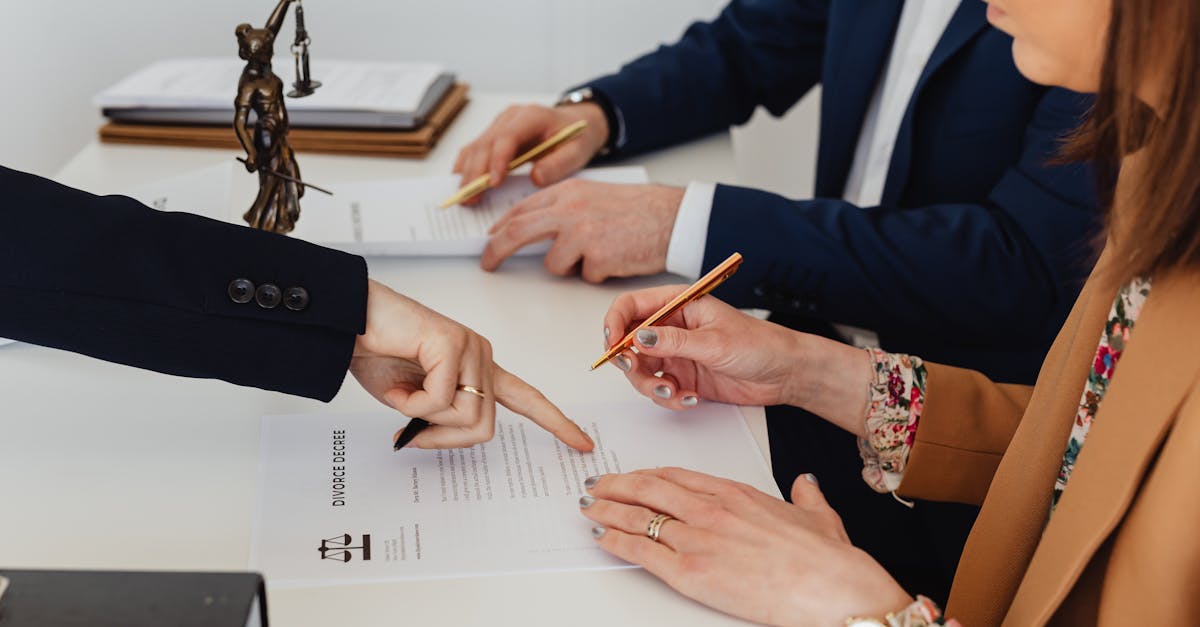
Understanding Property Disputes
Property disputes can arise from various circumstances, such as boundary disagreements, rental issues, or inheritance conflicts. Recognizing the nature of the dispute is crucial for appropriate resolution. Whether you are a tenant, landlord, neighbor, or co-owner, understanding your rights and responsibilities is the first step. Research relevant laws and regulations in your area, as these can significantly influence how disputes are handled. Additionally, involving professionals like mediators or attorneys can ensure that you are making informed decisions and can provide guidance tailored to your situation.
The Mediation Process
Mediation is a highly effective tool for resolving property disputes, as it encourages open communication between parties. A neutral third-party mediator facilitates discussions, allowing both sides to express their views and work towards a mutually satisfactory agreement. This process not only saves time and money compared to litigation, but it also preserves relationships by fostering cooperation. If you decide to opt for mediation, prepare thoroughly by gathering all relevant documents and being clear about your objectives. Remember, the goal is to create a win-win situation, where both parties leave feeling heard and respected.
Choosing Legal Action as a Last Resort
While mediation and negotiation are often more favorable, some property disputes may reach a deadlock, leading to the consideration of legal action. Filing a lawsuit can be a lengthy and costly process, so it's essential to evaluate whether it's the best course of action. Before going to court, ensure that you have explored all alternative dispute resolution methods. Moreover, understanding the potential repercussions of legal action on personal relationships and financial stability is vital. Consulting with a legal professional to review your case will help in making an informed decision, ensuring that you are prepared for whatever lies ahead.
Conclusion: Finding Your Path to Resolution
In summary, resolving property disputes does not have to be a daunting process. By understanding the nature of the dispute, opting for mediation, and recognizing when to pursue legal action, you can navigate these challenges effectively. Prioritizing open communication and maintaining a peaceful approach will not only lead to better outcomes but also foster more positive relationships in the long run. Remember, the ultimate goal is to restore harmony and avoid unnecessary conflict.
Published on .
Share now!