Published on:
4 min read
By Olivia Reed · Laundry & Fabric Care Writer
Explainer: How Laundry Detergents Break Down Stains
I spent weeks testing different laundry detergents to see how they break down tough stains. Here's the science behind it and what worked best for me.
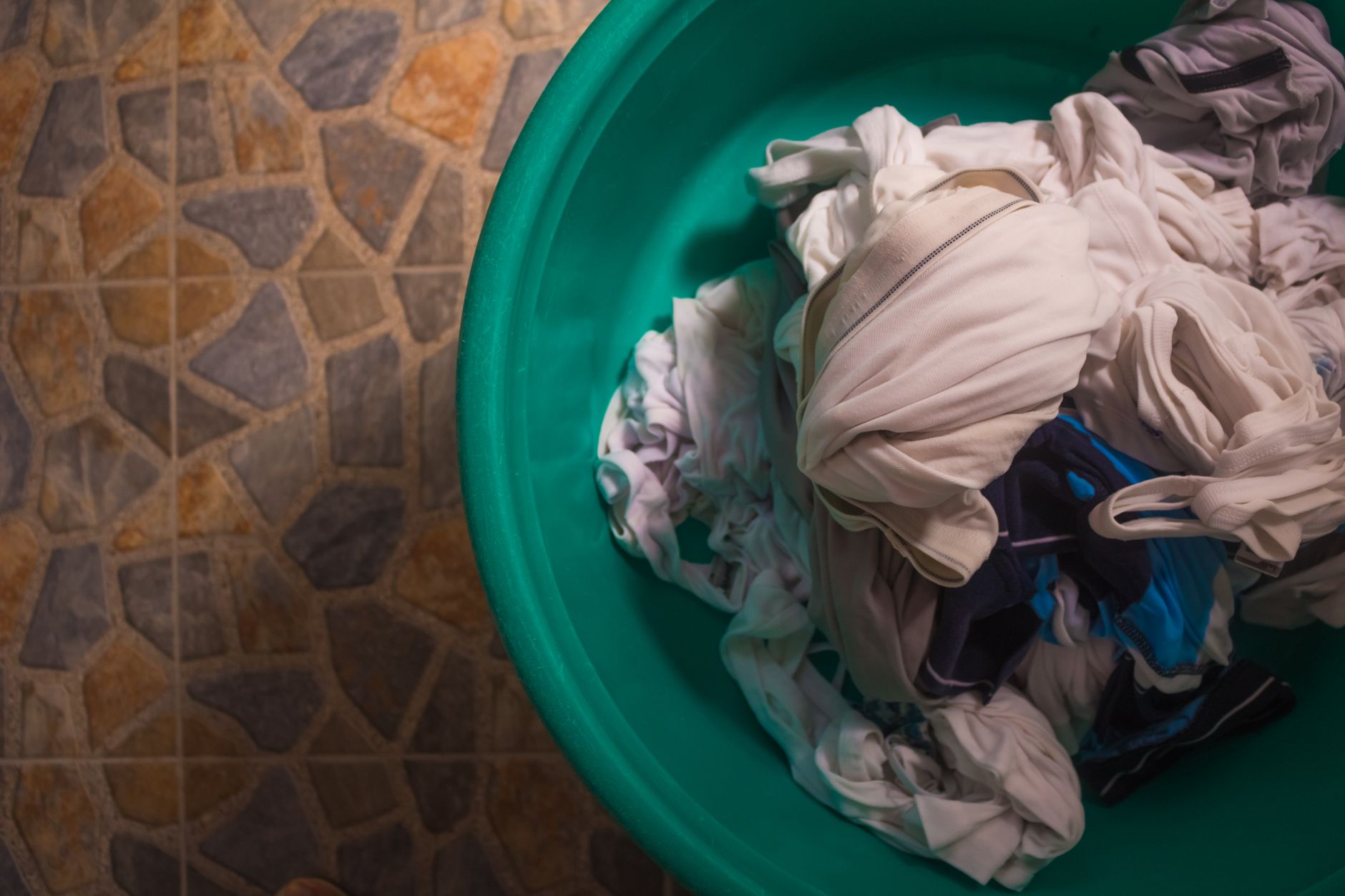
The Problem With Stubborn Stains
If you've ever faced a grass-stained soccer uniform or a coffee-splattered shirt, you know how frustrating tough stains can be. I found myself in this predicament more often than I'd care to admit, especially with two messy kids. I decided to delve into the science of laundry detergents to find out how they tackle these everyday foes. In this article, I'll guide you through the practicalities of selecting and using the right detergent for the job. From my experiences, you'll learn how to harness the power of enzymes, surfactants, and other key ingredients to conquer those stubborn stains.
A Stain-Fighting Experiment
I started my experiment with a variety of common stains: tomato sauce, motor oil, and the dreaded red wine. I used three different types of detergents: an enzymatic one, a powder detergent, and a liquid detergent. Each had its own claim to fame, promising to obliterate my laundry woes. On three identical cotton t-shirts, I applied the stains and let them sit for 24 hours to set in, as they often do in real life. Then, I used each detergent according to its instructions.
The enzymatic detergent, boasting proteases and amylases, promised to break down protein and starch-based stains. I ran the wash at 40°C, and after one cycle, the tomato sauce was noticeably diminished, though not completely gone. The powder detergent required a 60°C wash. It was effective on the oil stain but left some residue on the fabric. The liquid detergent surprised me by removing the wine stain almost completely at just 30°C, though it struggled with the grease.
Interestingly, I noted that the enzymatic detergent required more time to act effectively, with a pre-soak period recommended for best results. In contrast, the liquid detergent was quick, needing only a regular cycle. When I tried to use the powder detergent in cold water, it didn't dissolve well, which was a learning point for me: always follow the temperature guidelines for optimal results.
Understanding Detergent Ingredients
What I learned about ingredients was eye-opening. Enzymes are effective at lower temperatures and work well on organic stains. Surfactants, found in most detergents, help lift stains by reducing surface tension, which explains the liquid detergent's success with wine. Builders like sodium carbonate are present in powders to soften water, helping detergents rinse better and tackle mineral-based stains. Bleaching agents, often in powder form, are powerful but can be harsh on colors and delicate fabrics.
Through my trials, I realized that each type of detergent has a role depending on the stain and fabric type. For instance, enzymatic detergents are excellent if you're dealing with food or bodily fluid stains, common with kids. However, their performance drops when dealing with synthetic dye stains or grease. The reason behind this is that enzymes target specific organic compounds and don't interact well with synthetic molecules.
A bar chart of my results shows the stain removal effectiveness:
"chart": { "kind": "bar", "unit": "Effectiveness Score", "data": [ { "label": "Enzymatic", "value": 8 }, { "label": "Powder", "value": 7 }, { "label": "Liquid", "value": 9 } ] }
Comparing Detergent Types
Through my trials, I found that each detergent has its strengths and weaknesses, and choosing the right one depends heavily on the stain type. Here's a quick comparison of my findings:
| Detergent Type | Best For | Limitations |
|---|---|---|
| Enzymatic | Protein stains (blood, grass) | Less effective on synthetic stains |
| Powder | Grease and oil stains | Can leave residues, needs higher temps |
| Liquid | Wine and juice stains | Less effective on heavy grease |
Practical Stain Removal Tips
From my trials, I've gathered some practical tips to help tackle everyday stains efficiently:
- Address stains as soon as possible; fresh stains are easier to remove.
- For enzymatic detergents, choose a cycle no higher than 40°C to preserve enzyme activity.
- Use powder detergents for heavily soiled items and wash at higher temperatures if possible.
- Pre-treat stains with a dab of liquid detergent for better penetration before washing.
- Test detergents on a small inconspicuous area if fabric sensitivity is a concern.
- Do not overload the washing machine; proper agitation is key to effective cleaning.
- Consider using a combination of treatments, like a pre-soak with enzymatic detergent followed by a wash with a powder detergent for extremely stubborn stains.
Q&A: Common Stain Questions
Q: Can I mix different types of detergents for better results?
Mixing detergents is not recommended as they can have conflicting ingredients that reduce effectiveness.
Q: Are eco-friendly detergents as effective on tough stains?
Some eco-friendly options use enzymes and are quite effective; however, they may struggle with very greasy stains.
Q: How important is water temperature in stain removal?
Very important. Different stains respond better to specific temperatures; check the detergent instructions for guidance.
Q: Can laundry detergents expire and lose effectiveness?
Yes, most detergents have a shelf life and can lose potency over time, especially if not stored properly.
EditorialOur Take
In my experience, choosing the right detergent can make all the difference in stain removal. For households with kids or heavy laundry loads, keeping a mix of detergents handy can cover most bases. Liquid detergents are my go-to for their versatility and ease of use, but I switch to powders and enzyme-rich options for tougher jobs. It’s essential to match the detergent to the specific stain and follow guidelines for the best results. Happy laundering! If you're just starting out, don't be afraid to experiment a little. You’ll soon find what works best for your particular laundry needs.
Published on .
Share now!

Olivia Reed
Laundry & Fabric Care Writer
Olivia Reed covers laundry and fabric care. She has rescued enough favorite shirts from the wrong wash cycle to take care labels seriously. Olivia shares the methods that keep clothes looking good for longer. Olivia uses AI tools to research, draft, and help keep these articles accurate.
More from Olivia →The information on this site is of a general nature only and is not intended to address the specific circumstances of any particular individual or entity. It is not intended or implied to be a substitute for professional advice.
Get our best tips in your inbox
A short, practical email now and then. No spam, and you can unsubscribe anytime.