Published on:
6 min read
How Diaper Banks are Transforming Lives: A Community Lifeline
Diaper banks play a crucial role in supporting families in need by providing essential supplies for their children. This community-driven initiative not only alleviates financial burdens but also fosters a sense of dignity and support among parents.
The Need for Diaper Banks
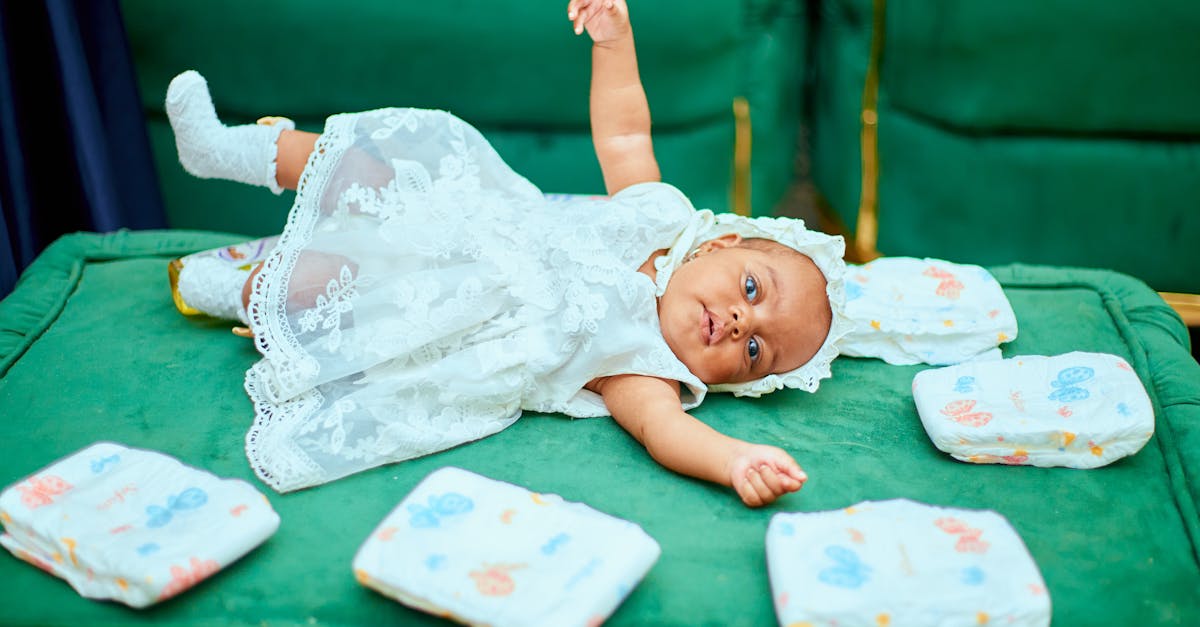
In the United States, approximately one in three families struggle to provide a sufficient supply of diapers for their children. Unlike food assistance programs, diapers are not covered by government benefits, leaving many parents in dire situations. Diaper banks have emerged as a vital resource, offering free or low-cost diapers and supporting families during critical times. By bridging this gap, these organizations address the pressing needs of parents who often feel overwhelmed by financial strain. Access to clean diapers not only helps ensure the health and hygiene of infants but also enables parents to maintain their dignity and self-respect.
How Diaper Banks Operate
Diaper banks collect donations from individuals, businesses, and community organizations to stock their inventories. Many facilities engage in partnerships with local health departments, shelters, and social service agencies to identify families in need and distribute diapers. Volunteers play an essential role in sorting and packaging diapers, making the operation of these banks a community effort. Some diaper banks also provide educational resources and workshops, informing parents about child care, nutrition, and available services. This multifaceted approach not only addresses immediate needs but also empowers families by equipping them with knowledge and resources.
The Impact on Families and Communities
The impact of diaper banks extends far beyond providing supplies; they strengthen families and communities at large. By reducing the financial burden of diaper purchases, parents can allocate their limited resources to other essential needs, such as food and healthcare. Numerous studies have shown that access to diapers leads to improved health outcomes for babies, as it reduces the risk of diaper rash and infections. Moreover, families that receive support from diaper banks often report feeling more connected to their communities, driving them to engage in volunteer opportunities and bring others along on their journey. This ripple effect fosters a culture of compassion and mutual support.
Conclusion: A Collective Effort for Change
Diaper banks represent a lifeline for countless families, transforming lives while highlighting the importance of community involvement. As more individuals and organizations recognize the pressing need for essential supplies, diaper banks will continue to play a vital role in ensuring that every child has access to the basic necessities. By supporting these initiatives, we can help create healthier, happier families and stronger communities.
Published on .
Share now!