Published on:
10 min read
Delivery Driver Jobs: Trends, Pay and What to Expect
Delivery driver jobs have evolved from a simple local errand role into one of the most visible parts of the modern economy. Fueled by e-commerce, restaurant apps, same-day shipping expectations, and labor shortages in logistics, these jobs now span everything from gig-based food delivery to full-time parcel routes with benefits. This article breaks down what delivery work actually looks like in 2026, how much drivers can realistically earn, what trends are shaping hiring and pay, and where the hidden costs can eat into income. You’ll also find a practical look at the pros and cons of gig versus employer-based roles, the skills that matter most, and concrete tips for choosing the right path. Whether you’re considering a side hustle, a career transition, or a more stable logistics role, this guide is designed to help you make a smarter, more profitable decision.
Why delivery driver jobs are growing and changing
Delivery driving is no longer a niche job category. It sits at the center of how consumers shop, eat, and expect goods to arrive. The U.S. Bureau of Labor Statistics projects about 116,000 openings each year for light truck drivers over the next decade, driven partly by worker turnover and continued demand for last-mile delivery. At the same time, food delivery platforms, grocery apps, pharmacy drop-offs, and same-day retail delivery have created a broader mix of opportunities than existed even five years ago.
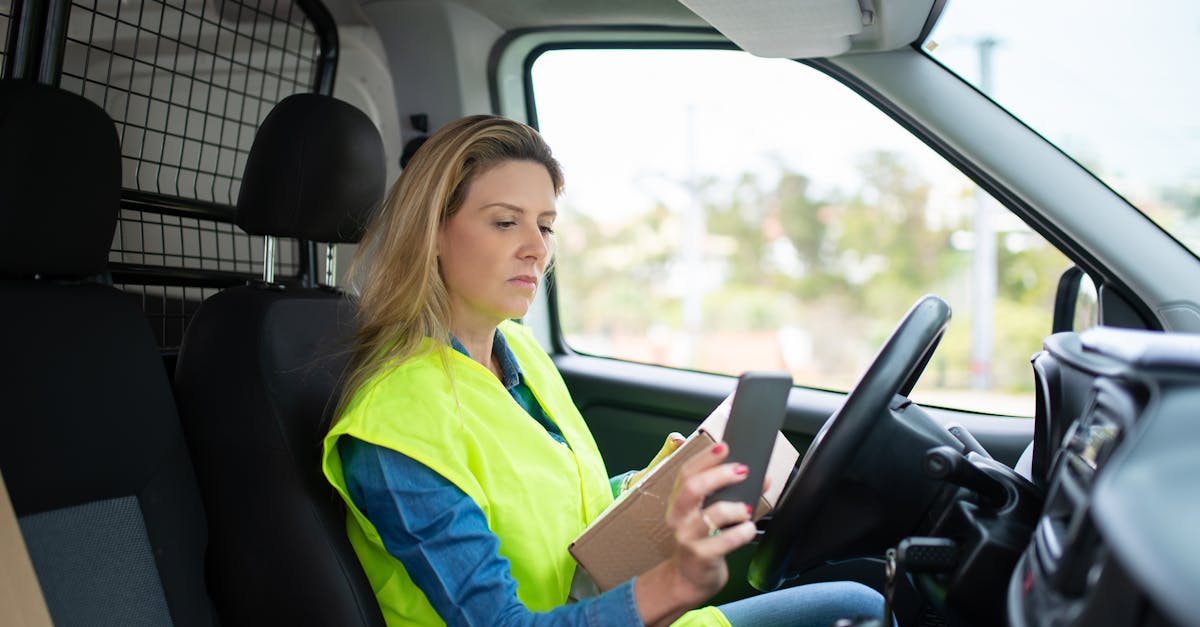
What matters most is that “delivery driver” now describes several very different jobs. A UPS package car driver, an Amazon DSP driver, a grocery app shopper-driver, and a DoorDash courier may all deliver items, but their schedules, earnings, benefits, and daily stress levels differ sharply. That distinction is where many job seekers make mistakes. They compare headline pay rates without accounting for vehicle wear, downtime between orders, route density, or whether health insurance is included.
Several trends are shaping the field in 2026:
- E-commerce remains structurally strong, even after pandemic spikes normalized.
- Customers expect faster delivery windows, increasing route pressure.
- Employers are investing in route optimization software and driver monitoring tools.
- Electric delivery vans are entering fleets, especially in urban and suburban markets.
- Gig platforms continue to offer flexibility, but competition can reduce order volume during slower periods.
How much delivery drivers make in real life
Pay is the first question most people ask, but the honest answer is that delivery driver income ranges from modest to very strong depending on the role. According to recent BLS wage data, light truck drivers in the U.S. earn a median annual wage in the mid-$40,000 range, while many employee drivers in parcel networks can earn more with overtime, peak-season incentives, and union-negotiated packages. UPS drivers, for example, often attract attention because experienced full-time drivers can earn substantially higher total compensation when benefits are included.
Gig delivery pay is more variable. In many markets, food and grocery drivers report gross earnings of roughly $15 to $25 per hour before expenses, with strong hours usually tied to lunch, dinner, weekends, and bad-weather demand. The keyword is gross. Once you subtract fuel, maintenance, insurance, depreciation, and self-employment taxes, actual take-home pay can look very different. A driver grossing $22 per hour might net closer to $14 to $17 depending on vehicle efficiency and mileage.
A realistic pay comparison helps:
- Gig delivery: flexible, but income fluctuates daily and expenses are your responsibility.
- DSP or company driver jobs: lower flexibility, but steadier hours and often less income volatility.
- Unionized parcel roles: hardest to get, usually most attractive long-term compensation.
Gig apps versus employer-based driving jobs
The biggest decision for most new drivers is whether to work through gig apps or take an employer-based route job. Neither option is universally better. The right fit depends on schedule needs, tolerance for unpredictability, and whether you want a short-term income source or a more stable career track.
Gig apps such as DoorDash, Uber Eats, Instacart, and Spark appeal to people who need flexibility. You can often start quickly, work around childcare or another job, and choose when to log in. That freedom has real value, especially for students, caregivers, or workers between jobs. The downside is instability. Order volume changes by neighborhood, season, and even algorithm updates. A market that feels lucrative in December may feel slow in February.
Employer-based jobs include parcel companies, courier services, medical delivery firms, local wholesalers, and Amazon DSP operators. These roles tend to come with set shifts, route expectations, and more oversight, but often offer steadier pay. Some include paid time off, workers’ compensation protections, and access to benefits.
Pros and cons to weigh carefully:
- Gig pros: fast entry, flexible hours, immediate earning potential, no long interview cycle.
- Gig cons: inconsistent demand, vehicle costs, no guaranteed benefits, self-employment tax complexity.
- Employee pros: predictable schedule, stronger income visibility, possible benefits, less administrative burden.
- Employee cons: stricter attendance rules, route quotas, limited flexibility, more supervision.
What the day-to-day job actually feels like
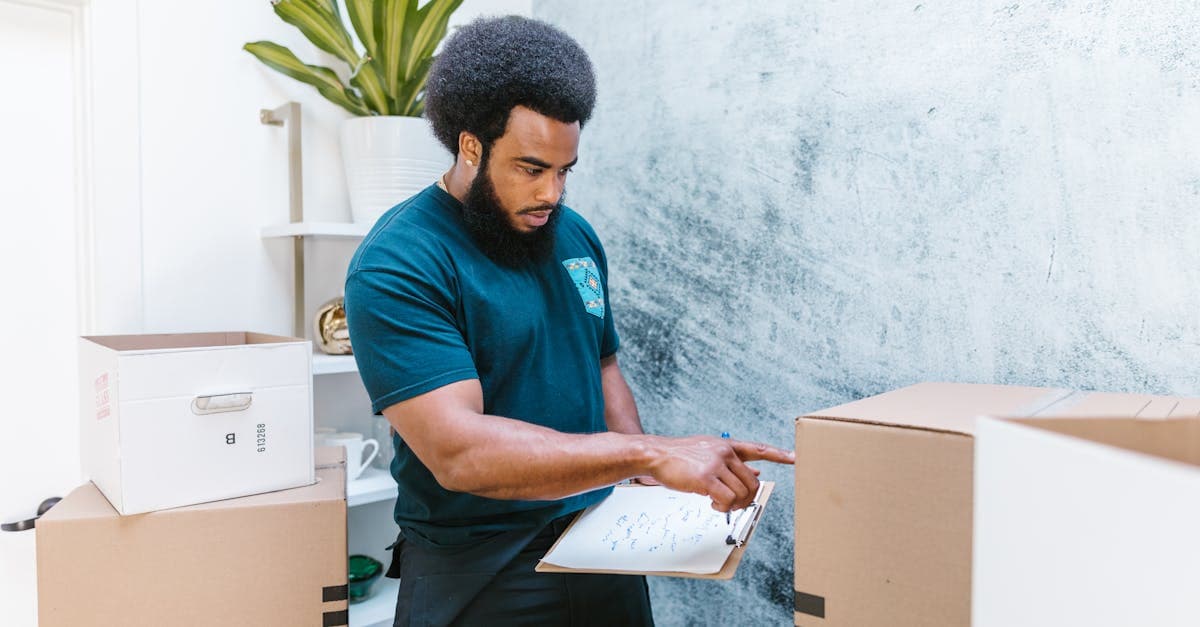
The reality of delivery driving is more physically and mentally demanding than many people expect. On paper, the job seems straightforward: pick up items, drive, drop them off. In practice, your day is shaped by traffic, parking, weather, apartment access, customer communication, route sequencing, and constant time pressure. A city courier may spend half the shift hunting for legal parking, while a suburban parcel driver may lose time navigating gated communities and long driveways.
Physical wear adds up quickly. Repeated entering and exiting of the vehicle, lifting boxes, climbing stairs, and walking packages to doors can turn an eight-hour shift into a legitimate endurance job. During peak periods, some parcel drivers handle well over 150 stops in a day. Food delivery can be less physically intense per stop, but it often includes more idle time, restaurant delays, and customer service friction.
A few common surprises catch new drivers off guard:
- Waiting is part of the job, whether at restaurants, loading docks, or customer handoffs.
- Earnings can depend on route efficiency more than speed alone.
- Customer ratings and on-time metrics can influence access to work.
- Holidays are lucrative, but also the most stressful periods.
Skills, costs, and career upside people often overlook
One reason delivery jobs attract so many applicants is the relatively low barrier to entry. But staying profitable and using the role as a stepping stone requires more skill than most outsiders assume. Strong drivers manage time well, know their local geography, communicate clearly with customers, and understand the economics of every mile they drive. That last point is critical because hidden costs are what separate busy drivers from profitable drivers.
If you use your own car, your expense stack may include fuel, tires, oil changes, brakes, depreciation, and commercial-use insurance considerations. The IRS standard mileage rate is often used as a rough indicator of vehicle operating cost, and while your real cost may be lower or higher, it shows that mileage has financial weight. A driver putting 800 to 1,000 miles a week on a personal vehicle can burn through maintenance cycles faster than expected.
The upside is that delivery work can open doors. Many people start in gig delivery, then move into fleet driving, dispatch, logistics coordination, warehouse supervision, or route management. Employers increasingly value workers who understand last-mile operations firsthand.
Skills worth building now include:
- Route planning and multi-stop efficiency
- Safe driving habits and incident prevention
- Basic vehicle maintenance awareness
- Customer communication under pressure
- App literacy and proof-of-delivery accuracy
Key takeaways and practical tips before you apply
If you are seriously considering delivery driver work, the smartest move is to evaluate the job like a business decision, not just a quick income opportunity. Start by defining your goal. Do you need flexible side income, immediate cash flow, full-time stability, or long-term career potential in logistics? Your answer should shape where you apply and what trade-offs you accept.
Before committing, test the numbers in your specific market. Look at gas prices, parking realities, typical order volume, and delivery density in your area. A driver in a compact urban zone may complete more short trips per hour, while a rural or spread-out suburban driver may lose money on long unpaid miles. If you are comparing jobs, ask direct questions about average stops per shift, overtime availability, peak-season demands, and whether the vehicle is employer-provided.
Practical tips that can save money and frustration:
- Track every mile and expense from day one.
- Avoid judging gig pay by gross hourly screenshots on social media.
- Set a minimum acceptance strategy if working apps, based on mileage and time.
- Build an emergency fund for tires, brakes, and deductible surprises.
- Verify insurance coverage before using a personal vehicle for commercial activity.
- If possible, test-drive the role part-time before relying on it full-time.
Published on .
Share now!
EH
Emma Hart
Author
The information on this site is of a general nature only and is not intended to address the specific circumstances of any particular individual or entity. It is not intended or implied to be a substitute for professional advice.