Published on:
10 min read
Business Class Tickets: Luxury Travel Trends You Need Now
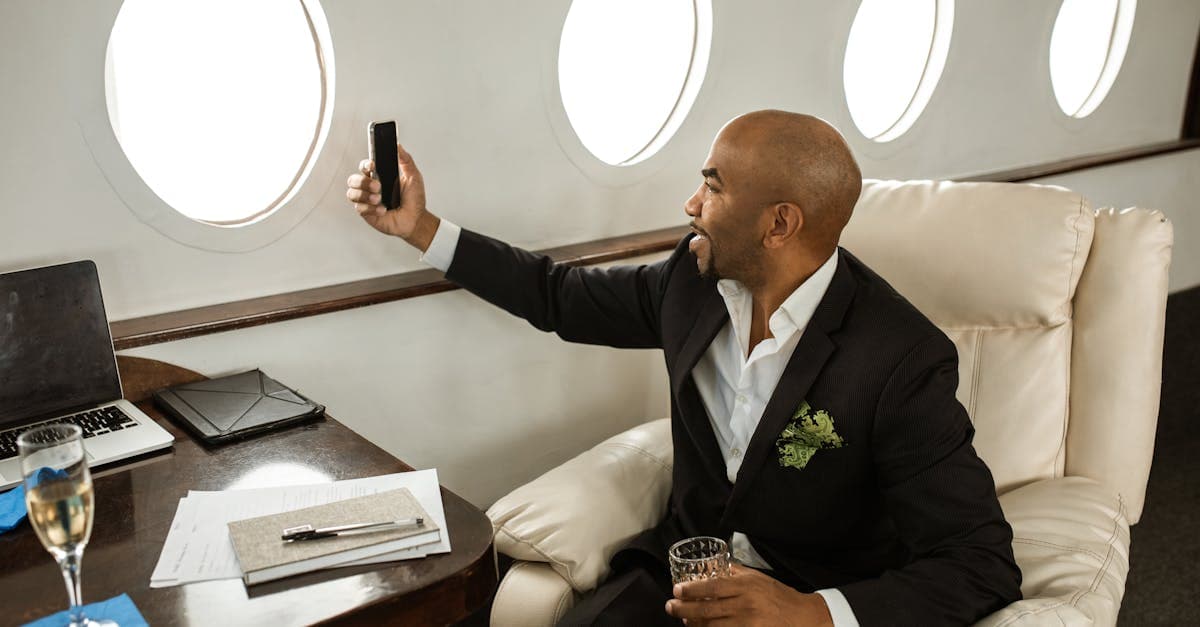
Business class is no longer just about a wider seat and a glass of Champagne. In 2025, the category is being reshaped by closed-door suites, upgraded airport experiences, dynamic pricing models, corporate travel policy changes, and a new generation of travelers who mix work, leisure, and status-driven comfort. This article breaks down the luxury travel trends that matter most right now, from how airlines like Qatar Airways, Singapore Airlines, Delta, and Emirates are redefining premium cabins to why fare timing, loyalty strategies, and route selection can save travelers thousands. You will also learn where business class is truly worth paying for, which perks are often overrated, and how to spot value beyond headline ticket prices. If you want practical guidance for booking smarter, traveling better, and understanding where premium air travel is headed next, this guide gives you the context and tactics that actually matter.
- •Why business class has become the new battleground in luxury travel
- •The biggest luxury trends shaping business class tickets right now
- •When business class is worth the money and when it is not
- •How pricing really works in 2025 and how savvy travelers beat it
- •What premium travelers care about now beyond the seat
- •Key takeaways: practical ways to book better business class tickets
- •Conclusion
Why business class has become the new battleground in luxury travel
Business class has evolved from a corporate expense line into the most strategically important product in long-haul aviation. First class has shrunk on many routes, while premium economy has expanded below it, leaving business class as the sweet spot where airlines can charge high fares and still appeal to both executives and affluent leisure travelers. According to IATA and multiple airline earnings reports through 2024, premium cabin demand has remained resilient even when economy demand softened, especially on transatlantic and Middle East to Asia routes.
That shift matters because airlines are now investing heavily in business class design, not just service. Seats have become private suites. Lounges have turned into mini hotels with à la carte dining, showers, and wellness areas. Carriers such as Qatar Airways with Qsuite, Singapore Airlines on its Airbus A350 and Boeing 777 premium cabins, and Delta One’s newest suites are all competing on privacy, sleep quality, and airport-to-airport experience rather than simply seat width.
A major trend driving this growth is bleisure travel, where professionals extend work trips into personal vacations. Another is the rise of self-funded premium travel. More travelers are paying for business class with points, upgrade offers, credit card rewards, or strategic off-peak bookings rather than full cash fares.
Why it matters: the market is no longer designed only for expense-account travelers. Today’s buyer could be a founder flying to Dubai, a couple redeeming miles to Tokyo, or a remote executive working in flight before a two-day city break. Business class has become more accessible in some ways, but more complex to evaluate.
| Trend | What It Looks Like in 2025 | Why Travelers Care |
|---|---|---|
| Suite-style seating | Sliding doors, direct aisle access, larger storage | More privacy for sleep and work |
| Bleisure demand | Business trips extended into vacations | Higher willingness to pay for comfort |
| Points-led premium travel | Miles, upgrades, and transfer partners funding tickets | Makes business class attainable without full cash fares |
| Airport experience upgrades | Better lounges, dining, showers, chauffeur perks on some carriers | Reduces total travel stress, not just onboard discomfort |
The biggest luxury trends shaping business class tickets right now
The most visible trend is privacy. Five years ago, direct aisle access was the benchmark. Now, travelers expect full-height shells, closing doors, wireless charging, Bluetooth audio pairing, and enough personal space to work without feeling exposed. Carriers such as ANA’s The Room, JetBlue Mint on select transatlantic routes, and the latest Air France business cabins show how design has moved closer to boutique hospitality than traditional aviation.
The second trend is sleep optimization. Airlines know that rested passengers are more likely to rebook, especially on overnight flights. That is why premium bedding partnerships, mattress pads, quieter cabin zones, and improved meal timing are becoming competitive differentiators. A New York to London business traveler may only sleep four to five hours, but those hours can determine whether the fare feels justified.
The third trend is personalized luxury. Airlines increasingly use app-based bidding, loyalty data, and route-level demand forecasting to sell upgrades at different price points. You might see a $699 upgrade offer 72 hours before departure on one route and a $2,200 offer on another, even within the same airline.
Pros of these trends:
- Better privacy for work calls, meals, and rest
- More consistent sleep quality on long-haul routes
- Greater opportunity to access premium cabins through targeted upgrades
- Marketing can overpromise features not available on every aircraft
- Older cabin configurations still operate on many flagship routes
- Dynamic upgrade pricing can create poor value if booked impulsively
| Airline Product | Standout Luxury Feature | Best Use Case |
|---|---|---|
| Qatar Airways Qsuite | Closing doors and flexible quad seating | Long-haul travelers prioritizing privacy and couples traveling together |
| Singapore Airlines Business Class | Exceptional service and strong sleep comfort | Travelers who value consistency over flashy design |
| Delta One Suite | Solid bedding and improving premium ground experience | US-based flyers on major international routes |
| JetBlue Mint | Competitive transatlantic pricing with stylish cabins | Value-seeking premium leisure travelers |
When business class is worth the money and when it is not
The smartest way to evaluate business class is to stop asking whether it is luxurious and start asking whether it solves a real problem. On a six-hour daytime flight, a lie-flat seat may be nice but unnecessary. On a 13-hour overnight journey from Los Angeles to Doha or San Francisco to Singapore, it can materially improve your next two days of productivity, mood, and health. That is especially true for travelers heading straight into meetings, weddings, conferences, or demanding itineraries.
A useful benchmark is cost per useful hour. If a $2,400 business class ticket saves you a hotel night, gives you lounge access with dinner and showers, and allows five hours of real sleep before a same-day event, that premium may be rational. But if the business fare is $5,800 while premium economy is $1,900 on a daytime route, the value case weakens quickly.
Consider these high-value scenarios:
- Overnight long-haul flights over eight hours
- Trips with immediate work commitments on arrival
- Travel during peak fatigue periods such as pregnancy, post-illness recovery, or back-to-back meetings
- Award redemptions where business costs only 1.5 to 2 times the economy miles
- Short regional flights marketed as business class with blocked middle seats only
- Daytime flights where sleep is not a major factor
- Fares inflated by major event demand or last-minute booking pressure
How pricing really works in 2025 and how savvy travelers beat it
Business class pricing has become dramatically more dynamic. Airlines no longer publish fares in predictable patterns and stick to them. Instead, they adjust pricing based on route demand, booking window, competitor behavior, seasonality, and even whether premium economy is selling unusually well. A traveler searching London to New York may see business fares ranging from about $1,800 in a sale period to more than $6,000 during fashion week, major conferences, or holiday peaks.
This is where strategy beats status. One of the best trends for travelers is the rise of cash-plus-points thinking. Rather than paying full fare, many travelers now build a premium travel plan around transferable points from cards tied to Amex Membership Rewards, Chase Ultimate Rewards, or Capital One miles. A 70,000 to 95,000 point redemption for a one-way business class seat can yield significantly better value than a $3,500 cash purchase, especially on routes with high taxes but excellent partner availability.
Tactics that work now include:
- Booking 2 to 5 months ahead for popular leisure routes and 6 to 9 months ahead for peak long-haul award space
- Monitoring ex-Europe or ex-Asia departures, which can sometimes be cheaper than starting in the US
- Considering open-jaw itineraries, such as flying into Milan and returning from Rome
- Watching upgrade bids after booking premium economy rather than buying business outright
What premium travelers care about now beyond the seat
A decade ago, most business class marketing focused on legroom and fine dining. In 2025, the decision is broader. Travelers increasingly judge premium flights by the full stack of convenience: booking flexibility, lounge quality, transfer ease, Wi-Fi reliability, baggage handling, and service recovery when something goes wrong. For frequent travelers, these details often matter more than whether the entrée is designed by a celebrity chef.
Wi-Fi is a perfect example. Delta has expanded free Wi-Fi across much of its network, and several international carriers are improving connectivity, but performance still varies dramatically on long-haul routes. If you are choosing between two business class tickets and one airline offers dependable gate-to-gate connectivity while the other does not, that difference can be worth more than an upgraded dessert cart.
Lounge access is also becoming segmented. Not all business class lounges are equal. A flagship lounge with made-to-order meals, showers, nap rooms, and direct boarding access can transform a connection from exhausting to productive. By contrast, overcrowded contract lounges often deliver far less value than travelers expect.
What matters most to today’s premium traveler:
- Reliable sleep and a cabin that feels private
- Fast, low-friction airport handling
- Strong rebooking support during delays or cancellations
- Functional Wi-Fi and power access for work
- Lounge quality that actually improves the trip
Key takeaways: practical ways to book better business class tickets
If you want the best value from business class in 2025, treat it like a strategic purchase rather than a splurge. Start with route logic. The biggest gains usually come on overnight flights, ultra-long-haul sectors, or trips where arrival-day performance matters. A flashy cabin on a short daytime route may feel exciting, but it rarely delivers proportional value.
Use a simple evaluation framework before booking:
- Check the exact aircraft and seat map on sites such as AeroLOPA or the airline’s fleet pages
- Compare business class against premium economy, not economy alone
- Price the total journey, including lounge access, baggage, seat selection, and flexibility
- Search both cash fares and award redemptions before deciding
- Look at connection quality, not just ticket price
- Booking based on airline brand without confirming cabin type
- Overpaying for daytime routes where premium economy does the job
- Ignoring cancellation rules and change fees when plans are uncertain
Conclusion
Business class in 2025 is less about status and more about smart comfort, time efficiency, and better arrival quality. The travelers getting the most value are not necessarily the ones paying the highest fares. They are the ones matching the right cabin to the right route, verifying the aircraft, comparing premium economy alternatives, and using points or upgrade offers strategically.
If you are planning a premium trip, start with your purpose. Is the goal better sleep, immediate productivity, reduced airport stress, or a special travel experience? Once you know that, compare airlines on the full journey rather than seat photos alone. Your next step is practical: shortlist two or three routes, check actual cabin layouts, monitor fares for a few weeks, and price both cash and points options. That approach turns business class from an indulgence into a calculated travel advantage.
Published on .
Share now!
ET
Ella Thompson
Author
The information on this site is of a general nature only and is not intended to address the specific circumstances of any particular individual or entity. It is not intended or implied to be a substitute for professional advice.