Published on:
7 min read
Aviation Training Revolution: Mastering Skills for the Skies
The aviation industry is undergoing a significant transformation, driven by innovative training methodologies and technologies. This post delves into how modern training techniques are poised to prepare aspiring pilots and aviation professionals for a successful career in the skies.
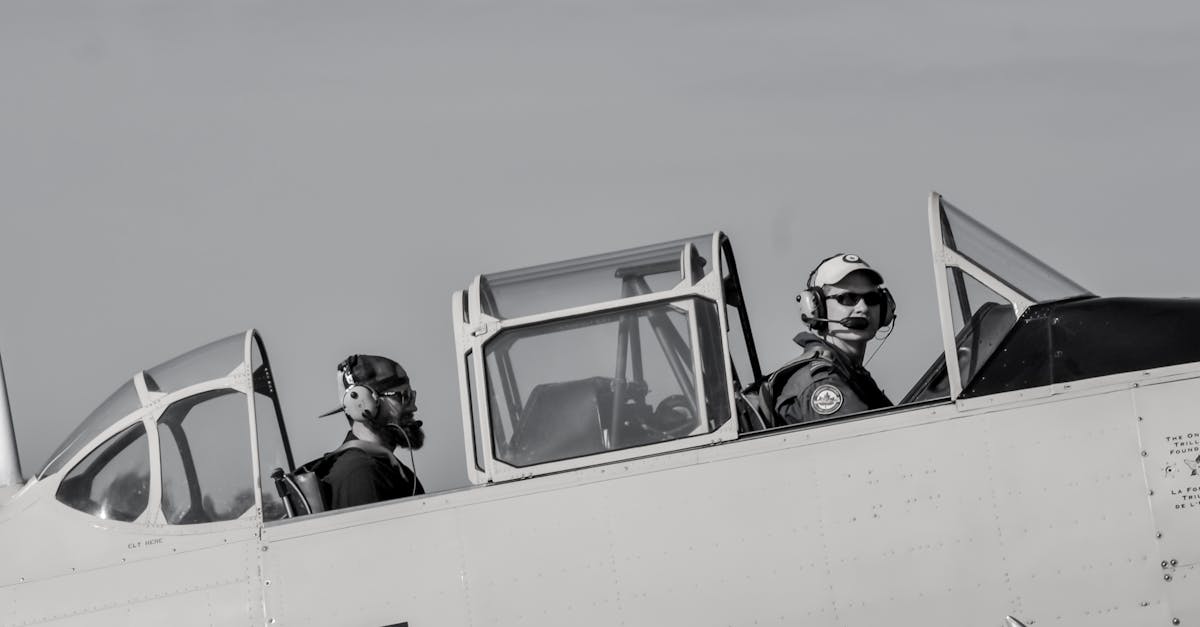
The Shift to Digital Learning in Aviation
In recent years, the aviation training sector has embraced digital learning tools, making education more accessible and effective. Virtual reality (VR) and augmented reality (AR) simulations provide immersive training environments, allowing students to experience complex flight conditions without leaving the ground. By integrating sophisticated software and cloud-based platforms, flight schools can offer flexible learning schedules that accommodate the busy lives of aspiring pilots. This shift not only enhances engagement but also allows for real-time feedback, enabling trainees to improve their skills rapidly. As these technologies continue to evolve, students can expect an increasingly realistic and comprehensive training experience that prepares them for modern aviation challenges.
The Importance of Soft Skills in Pilot Training
While technical flight skills remain paramount, the importance of soft skills in aviation training is gaining recognition. Communication, teamwork, and problem-solving abilities are critical for pilots, especially in high-pressure situations. Flight schools are now integrating psychological training and human factors courses into their curriculum, emphasizing the role of effective communication among crew members and air traffic control. By cultivating these essential skills, trainees are better equipped to handle emergencies and maintain composure during flights. Furthermore, soft skills contribute to better customer service in the aviation industry, enhancing passenger experiences and operational efficiency. Prioritizing soft skill development is crucial for producing well-rounded aviators.
The Role of Data Analytics in Aviation Training
Data analytics is revolutionizing aviation training, providing insights that were previously unattainable. By collecting and analyzing vast amounts of training data, flight schools can identify trends and outcomes, improving instructional methods. For instance, performance data can show which students struggle with specific maneuvers, allowing instructors to tailor their teaching strategies accordingly. Additionally, predictive analytics can enhance safety by identifying potential risks before they become critical issues. As data-driven decision-making becomes crucial in all sectors, aviation training programs that leverage analytics will produce better-prepared pilots who are adept at navigating the complexities of modern air travel.
Conclusion
The revolution in aviation training is transforming how we cultivate the next generation of pilots and aviation professionals. With the rise of digital learning, an emphasis on soft skills, and the power of data analytics, trainees are better equipped to meet the demands of a rapidly evolving industry. By embracing these innovative approaches, aspiring aviators can soar to new heights both in their careers and in the skies.
Published on .
Share now!