Published on:
11 min read
Abandoned Homes: Why More Buyers Are Watching Now
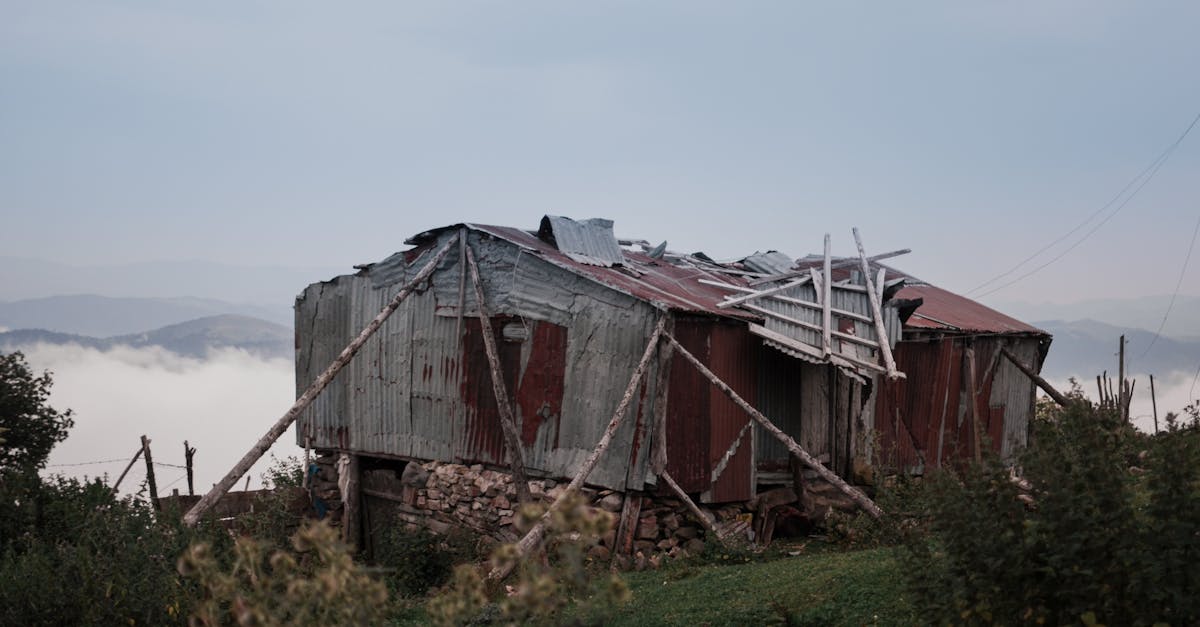
Abandoned homes have shifted from niche fixer-upper curiosities to a serious point of interest for investors, first-time buyers, and value-focused homeowners. Rising mortgage rates, limited housing inventory, and affordability pressure have pushed more buyers to look beyond move-in-ready listings and consider properties others ignore. But the appeal is not just lower asking prices. In many markets, abandoned homes sit in established neighborhoods with larger lots, mature trees, and infrastructure that would cost far more to replicate in new construction. This article breaks down why abandoned properties are drawing fresh attention, where the opportunities are real, where the risks are often underestimated, and how buyers can evaluate one intelligently. If you want a grounded look at pricing gaps, renovation realities, title problems, financing hurdles, and practical next steps before making an offer, this guide will help you separate promising deals from expensive mistakes.
- •Why abandoned homes are suddenly back on buyers’ radar
- •What makes an abandoned home attractive and where the value really comes from
- •The hidden risks: title problems, code issues, and renovation overruns
- •How financing, insurance, and inspections work differently on vacant properties
- •Where buyers are finding opportunities and how to judge whether a deal is real
- •Key takeaways: practical tips for buying an abandoned home without getting burned
- •Conclusion: opportunity is real, but only for buyers who prepare properly
Why abandoned homes are suddenly back on buyers’ radar
Abandoned homes are getting more attention because the math of ordinary homebuying has changed. When mortgage rates jumped from the ultra-low era of 2020 and 2021, affordability tightened fast. At the same time, inventory remained constrained in many U.S. markets, especially for entry-level homes. According to data from the National Association of Realtors, existing-home prices remained historically elevated even as sales slowed, leaving many buyers priced out of updated properties in move-in condition. That has pushed more people to examine houses they once would have dismissed outright.
There is also a perception gap that creates opportunity. Many abandoned properties look worse than they are because neglect signals risk, and most buyers do not want uncertainty. Yet in older neighborhoods, these homes may sit on valuable lots with established utilities, larger footprints, and zoning advantages. In cities facing housing shortages, that combination matters. A structurally sound but neglected home can sometimes be purchased well below the price of nearby renovated properties, then improved over time.
Why this matters is simple: buyers are no longer only comparing abandoned homes to turnkey homes. They are comparing them to renting longer, competing in bidding wars, or buying smaller homes farther from jobs and schools.
A few reasons buyers are watching now:
- Lower entry prices relative to renovated comps
- Less competition from conventional owner-occupants
- Potential upside through renovation or redevelopment
- Opportunity to buy in neighborhoods they otherwise could not afford
What makes an abandoned home attractive and where the value really comes from
The strongest appeal of an abandoned home is not the dramatic before-and-after story. It is forced inefficiency. When a property is ignored, poorly marketed, or tied up in distress, the sale process often scares away mainstream buyers. That can create a discount, but the discount only becomes real value when the underlying asset is solid. Experienced buyers look beyond broken windows and overgrown yards to assess lot size, neighborhood trajectory, structural condition, and resale ceiling.
In practical terms, value usually comes from one of three places. First, the property may be priced below comparable renovated homes by a margin wide enough to absorb repairs and still leave equity. Second, the land itself may be underappreciated, particularly in infill areas where new construction lots are scarce. Third, the home may offer layout or square footage advantages that would be expensive to reproduce today, especially with higher labor and material costs.
A useful rule of thumb is to compare three numbers: acquisition cost, realistic renovation cost, and after-repair value. If those numbers leave a healthy buffer, the opportunity may be legitimate. If the deal only works with optimistic assumptions, it probably is not.
Pros buyers see most often:
- Lower purchase price than nearby occupied homes
- Room to customize finishes and systems
- Potential equity creation rather than paying for someone else’s remodel
- Deferred maintenance can compound quickly
- Hidden moisture, mold, pests, and vandalism damage are common
- Utility reconnection, permits, and code upgrades add time and cost
The hidden risks: title problems, code issues, and renovation overruns
Most abandoned-home mistakes happen before renovation starts. Buyers underestimate legal and administrative friction, then burn money solving problems that were discoverable upfront. A vacant property may involve unpaid property taxes, municipal liens, probate complications, boundary disputes, or unclear ownership. In some cases, a home appears abandoned but is still legally occupied by heirs, former tenants, or owners in foreclosure limbo. That can delay closing for months or kill the deal entirely.
Code compliance is another major trap. A house left vacant for years may trigger mandatory updates once work begins. Local governments can require permits for electrical, plumbing, structural changes, roofing, and occupancy certification. Some cities also maintain vacant-property registries or impose fines if properties are unsecured or not brought into compliance quickly. In older homes, lead paint and asbestos are frequent concerns, particularly in houses built before 1978.
Renovation costs are also more volatile than buyers expect. The 2024 JLC cost-vs-value data and contractor surveys continue to show elevated labor costs in many regions, even as some material prices have stabilized relative to pandemic highs. A roof, HVAC replacement, and full rewiring can erase an apparent bargain very quickly.
Common red flags include:
- Foundation cracks wider than a quarter inch or obvious settling
- Signs of long-term water intrusion around basements and rooflines
- Missing mechanical systems, stripped copper, or vandalized interiors
- Tax delinquency, clouded title, or unresolved probate
How financing, insurance, and inspections work differently on vacant properties
Buying an abandoned home often requires a different playbook because standard financing is not always available. Many conventional lenders want properties to meet minimum condition standards, including functional plumbing, electricity, roofing integrity, and no major safety hazards. If a home has missing fixtures, water damage, exposed wiring, or severe deterioration, a lender may decline the loan even if the purchase price looks attractive. That is one reason cash buyers and investors still dominate this niche.
For owner-occupants, renovation loans can bridge the gap. FHA 203(k) loans and Fannie Mae HomeStyle Renovation loans are the two options buyers hear about most. They can work, but they are paperwork-heavy, contractor-dependent, and slower to close than standard mortgages. Buyers should expect more documentation, stricter contractor bids, and lender oversight during disbursement. In competitive situations, that extra complexity can make offers less appealing to sellers.
Insurance is another overlooked hurdle. A vacant or distressed home may not qualify for a standard homeowners policy right away. Carriers may require repairs before coverage begins, or they may limit coverage types until the property is habitable. Without proper insurance, closing can stall.
Inspection strategy matters too. A general home inspection is only the starting point. Depending on condition, buyers may also need:
- Structural engineer review
- Sewer scope
- Termite or pest inspection
- Mold, lead, or asbestos testing
- Roof or foundation specialist assessments
Where buyers are finding opportunities and how to judge whether a deal is real
Not every abandoned home comes from the same situation, and the source affects both price and risk. Some are bank-owned after foreclosure. Others come through estate sales, tax delinquency auctions, municipal disposition programs, or private owners who no longer want the burden. Each path has different rules. Tax sales can offer deep discounts, but they may also come with redemption periods, unpaid liens, or limited interior access. Bank-owned properties are usually easier to transfer cleanly, though they may be priced more efficiently because institutional sellers understand market value.
Buyers hunting smart deals often start with county tax records, code-enforcement lists, probate notices, and local wholesalers, not just public listing sites. In neighborhoods with rising values, abandoned homes can appear on ordinary MLS searches too, especially when sellers decide the easiest route is simply disclosing poor condition and pricing accordingly.
The best way to judge whether a deal is real is to underwrite conservatively. Pull recent comparable sales within a tight radius, preferably sold within the last six months. Then build repair estimates using contractor walkthroughs, not internet guesswork. Add contingency money. On distressed homes, 15 to 20 percent above the initial rehab estimate is often more realistic than a thin cushion.
A practical screening checklist includes:
- Can you verify clean title or a clear path to it?
- Is the structure likely salvageable based on expert review?
- Do renovated comparable sales justify the total investment?
- Is the neighborhood stable, improving, or declining?
- Will financing, insurance, and permit timelines still make the project workable?
Key takeaways: practical tips for buying an abandoned home without getting burned
If you are serious about buying an abandoned home, the winning approach is disciplined skepticism. The goal is not to be fearless. The goal is to eliminate surprises before they become expensive. Buyers who perform well in this niche are usually methodical, locally informed, and quick to abandon bad deals. That mindset matters more than renovation enthusiasm.
Start with a simple framework. First, define your maximum all-in budget, including acquisition, repairs, carrying costs, insurance, permits, and contingency. Second, build a local team before you need one: a real estate agent who understands distressed property, a title company, a contractor, an inspector, and ideally a real estate attorney. Third, rank properties based on solvable problems versus fatal ones. Cosmetic neglect is solvable. Structural collapse, contaminated sites, and impossible title issues are often not worth the gamble.
Practical tips worth following:
- Always verify ownership, liens, tax status, and probate issues before getting emotionally invested
- Budget for utility reconnection, debris removal, lawn cleanup, locks, and boarding, not just interior renovation
- Get at least two contractor opinions on major systems such as foundation, roof, HVAC, and plumbing
- Use contingencies aggressively when the seller allows them
- Assume timelines will run longer than expected, especially if permits are involved
- Study the exit plan before purchase, whether that means living there, renting it, or reselling it
Conclusion: opportunity is real, but only for buyers who prepare properly
Abandoned homes are attracting more attention because they sit at the intersection of affordability, scarcity, and potential upside. For some buyers, they offer a rare path into better neighborhoods or a chance to create equity that a turnkey purchase cannot match. But the discount is never free. Every neglected property carries questions about title, condition, financing, insurance, and renovation scope.
The next step is straightforward: treat every abandoned home like a business case, even if you plan to live in it. Run comparable sales, inspect deeper than usual, verify legal status, and price in delays before making an offer. If the numbers still work after conservative assumptions, you may have found a genuine opportunity. If they only work under perfect conditions, walk away. In this market, patience and due diligence are what turn abandoned houses from risky curiosities into smart buys.
Published on .
Share now!
DP
Daniel Porter
Author
The information on this site is of a general nature only and is not intended to address the specific circumstances of any particular individual or entity. It is not intended or implied to be a substitute for professional advice.